


Wolfgang Amadeus Mozart
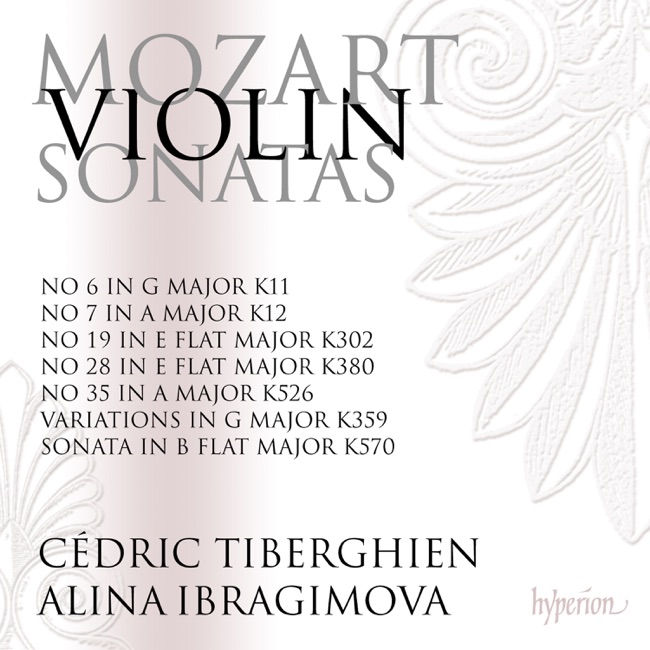
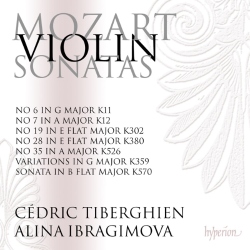
Sonata for violin & piano No. 6 in G major, K. 11
Released Album
Recent Album






Featured Album
Works Info
Composer:Wolfgang Amadeus MozartGenre:ChamberStyle:SonataCompose Date:1764Average_duration:8:56Movement_count:3Movement ....Wolfgang Amadeus Mozart composed his Sonata for violin and piano No. 6 in G major, K. 11 in 1764, when he was just eight years old. The piece was premiered in the same year, likely in a private performance for friends and family. The sonata consists of three movements: 1. Allegro 2. Menuetto 3. Allegro The first movement, Allegro, begins with a lively and cheerful theme played by the violin, which is then echoed by the piano. The two instruments engage in a playful dialogue throughout the movement, with each taking turns leading the melody. The movement ends with a brief coda that brings the piece to a satisfying close. The second movement, Menuetto, is a graceful and elegant dance in triple meter. The violin and piano take turns playing the melody, with the other instrument providing a delicate accompaniment. The movement is relatively short, but its charm and simplicity make it a favorite among audiences. The final movement, Allegro, is a lively and energetic romp that showcases Mozart's skill at writing fast and intricate music. The violin and piano engage in a virtuosic display of technique, with both instruments playing rapid runs and complex rhythms. The movement ends with a flourish, bringing the sonata to a thrilling conclusion. Overall, Mozart's Sonata for violin and piano No. 6 in G major, K. 11 is a delightful example of his early work. Despite his young age, Mozart demonstrates a remarkable talent for melody, harmony, and form, and the piece remains a popular choice for performers and audiences alike.More....
Works Music
Released Music

2

3:53
3
5:13
4
4:38
5

4:8
6
2:56
7

4:28
8
4:8
9

4:28
10
2:49
Featured Music
1
3:19
2
2:5
3
3:17
4
5:2
5
5:30
Main Perform Artists
Cello
Violin
Harpsichord
Flute