Max Reger
Introduction and Passacaglia for Organ in D minor
Released Album
Recent Album
-
-
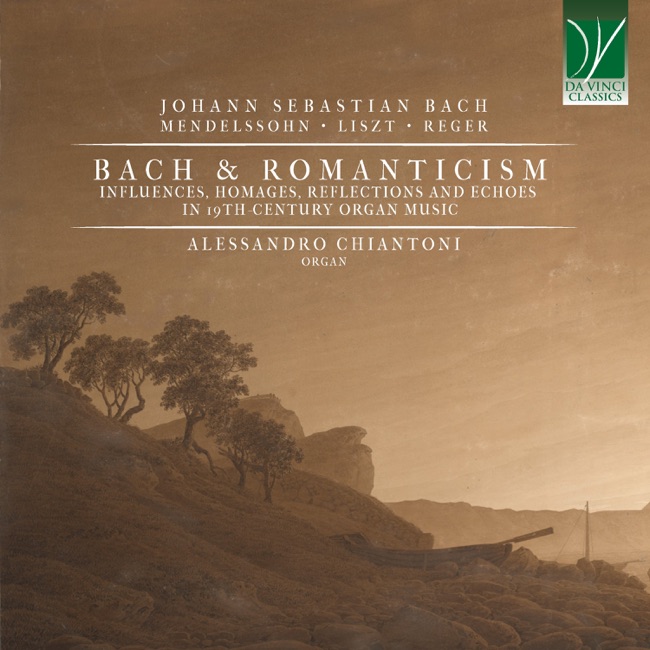 Alessandro ChiantoniJanuary 26, 2024
 -
-
-
-
-
-
-
-
-
-
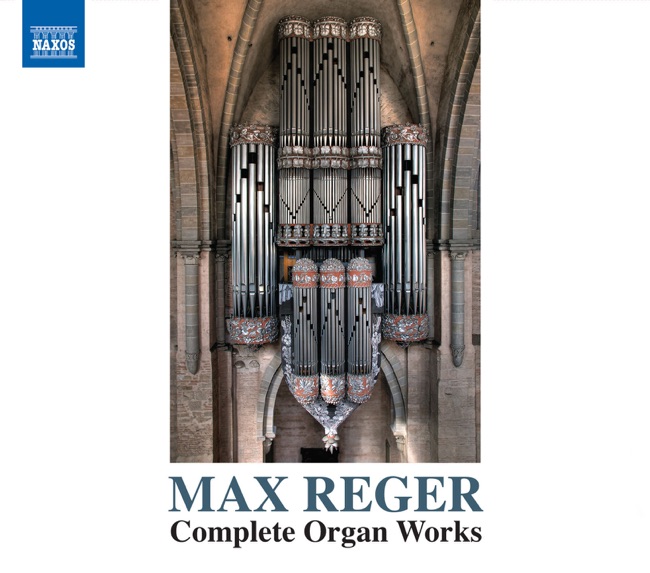
Featured Album
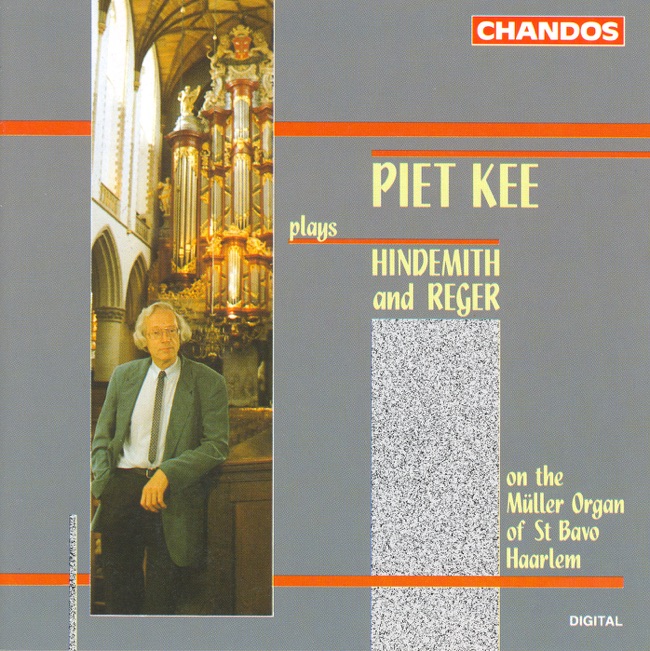
Works Info
Composer:Max RegerGenre:KeyboardStyle:PassacagliaCompose Date:Oct 19, 1899Average_duration:7:42Movement_count:2Movement ....Max Reger's 'Introduction and Passacaglia for Organ in D minor' is a monumental work for the organ, composed in 1901. It was premiered by Karl Straube in Leipzig in the same year. The piece is divided into two movements, the first being the Introduction and the second being the Passacaglia. The Introduction is a slow and solemn piece, beginning with a single note played on the pedal. This note is then repeated, gradually building in intensity as more and more notes are added. The melody is then introduced in the manuals, played in a mournful and melancholic manner. The piece then builds to a climax before subsiding back into the original single note on the pedal. The Passacaglia is a set of variations on a repeating bass line, known as the passacaglia theme. This theme is introduced in the pedal and is then repeated throughout the piece, with each variation becoming more complex and intricate. Reger uses a variety of techniques to create these variations, including changes in harmony, rhythm, and texture. The Passacaglia builds to a powerful climax before ending with a quiet and peaceful coda. Reger's 'Introduction and Passacaglia for Organ in D minor' is a prime example of his mastery of the organ. The piece is characterized by its use of complex harmonies, intricate counterpoint, and virtuosic pedal writing. It is also notable for its use of chromaticism and dissonance, which were hallmarks of Reger's style. The piece is a challenging work for any organist, requiring both technical skill and musical sensitivity to bring out its full potential.More....
Works Music
Released Music
5
8:23
9
8:45

Featured Music