Matthias Weckmann
Toccata for keyboard in E minor
Released Album
Recent Album
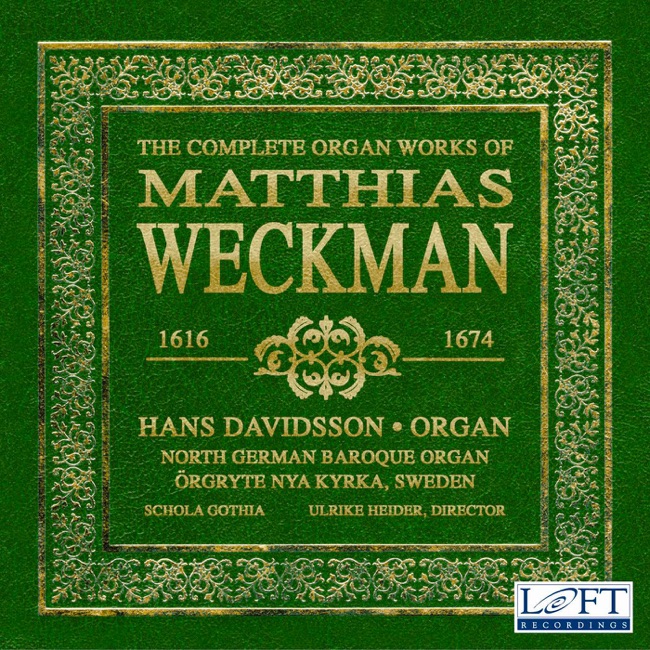
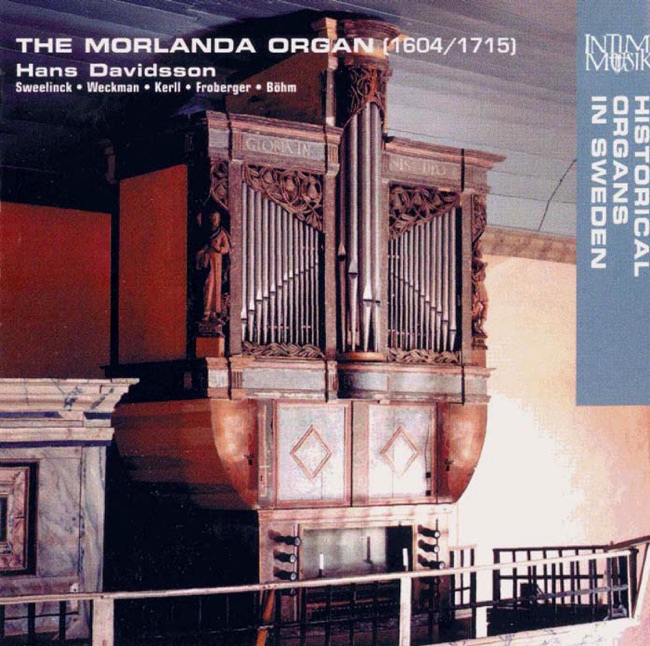
Featured Album
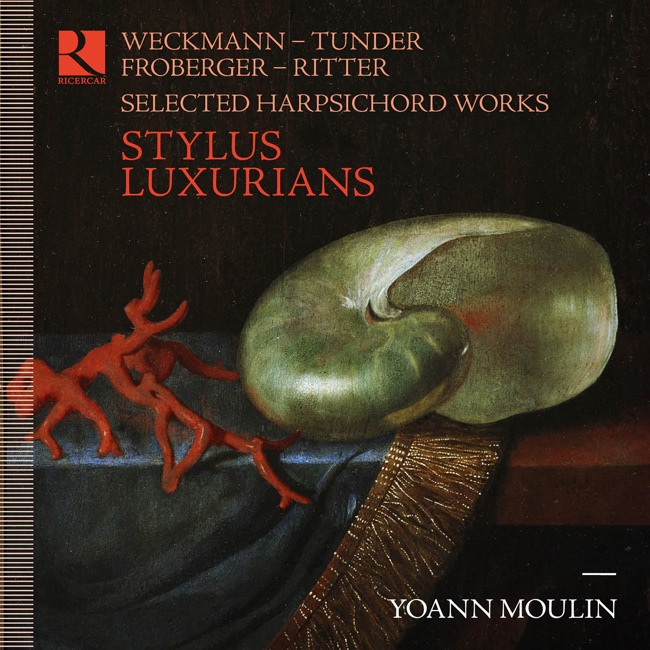
Works Info
Composer:Matthias WeckmannGenre:KeyboardStyle:ToccataAverage_duration:3:27Matthias Weckmann was a German composer and organist of the Baroque era. He was born in 1616 in Niederdorla, Thuringia, and died in 1674 in Hamburg. Weckmann was a student of Heinrich Schütz and was greatly influenced by the music of Johann Jakob Froberger. He was known for his keyboard music, particularly his toccatas. The Toccata for keyboard in E minor is one of Weckmann's most famous works. It was composed in the mid-17th century and is believed to have been written for the organ. The piece is in three movements and has a total duration of approximately 10 minutes. The first movement is marked "Preludio" and is in a slow, improvisatory style. It begins with a series of arpeggios in the left hand, which are then echoed by the right hand. The music gradually builds in intensity, with the left hand playing a descending chromatic scale while the right hand plays a series of trills. The movement ends with a cadence in E minor. The second movement is marked "Fuga" and is a contrapuntal tour-de-force. It begins with a subject in the bass, which is then imitated by the upper voices. The music is highly chromatic and features frequent modulations. The fugue reaches its climax with a stretto section, in which the voices overlap and interweave. The movement ends with a final statement of the subject in the bass. The third movement is marked "Ciacona" and is a set of variations on a ground bass. The ground bass is a descending chromatic scale, which is repeated throughout the movement. The variations are highly virtuosic and feature a variety of keyboard techniques, including arpeggios, trills, and rapid scale passages. The movement ends with a final statement of the ground bass, followed by a cadence in E minor. Overall, the Toccata for keyboard in E minor is a highly expressive and virtuosic work. It showcases Weckmann's mastery of keyboard technique and his ability to create complex and intricate counterpoint. The piece is a testament to the rich musical tradition of the Baroque era and remains a popular work in the keyboard repertoire.More....
Works Music
Released Music
4
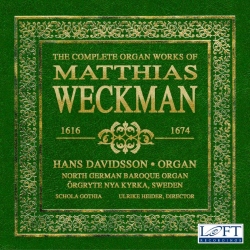
4:16
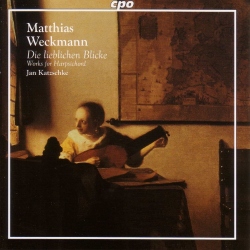
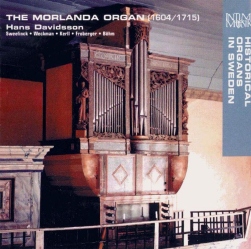
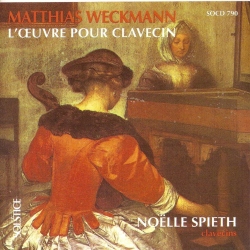
Featured Music