


Matthias Weckmann
Released Album
Keyboard
-
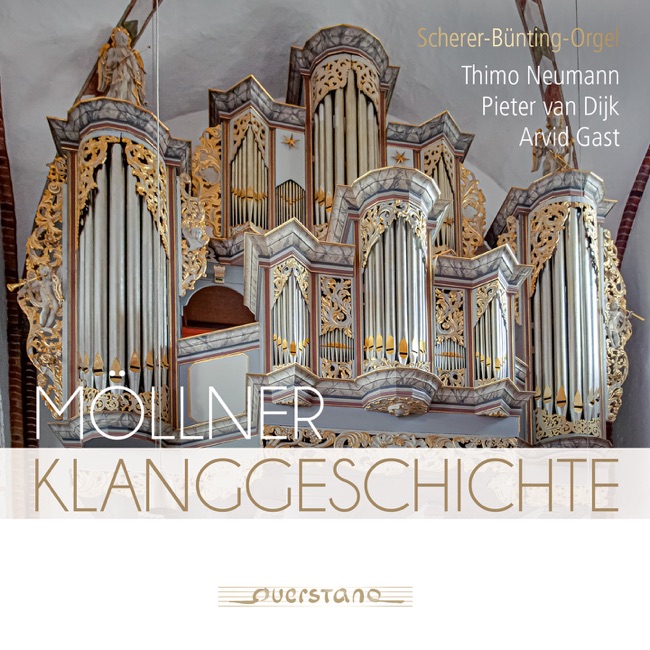 January 3, 2025
 -
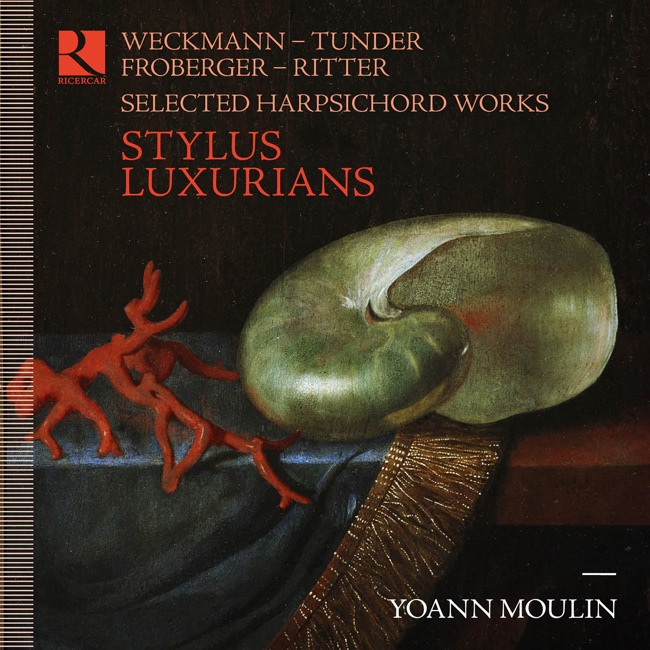 October 8, 2021
 -
-
 September 15, 2017
Choral
-
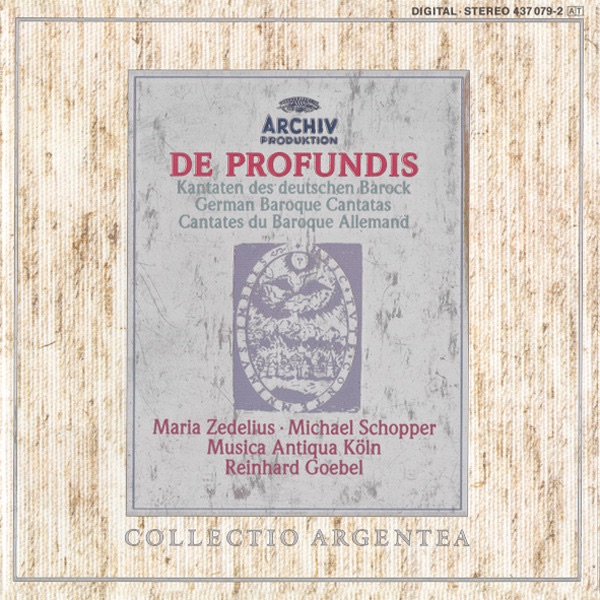 September 7, 2010
 -
 March 26, 2009
 -
 October 1, 2003
 -
-
 January 1, 2002
Chamber
-
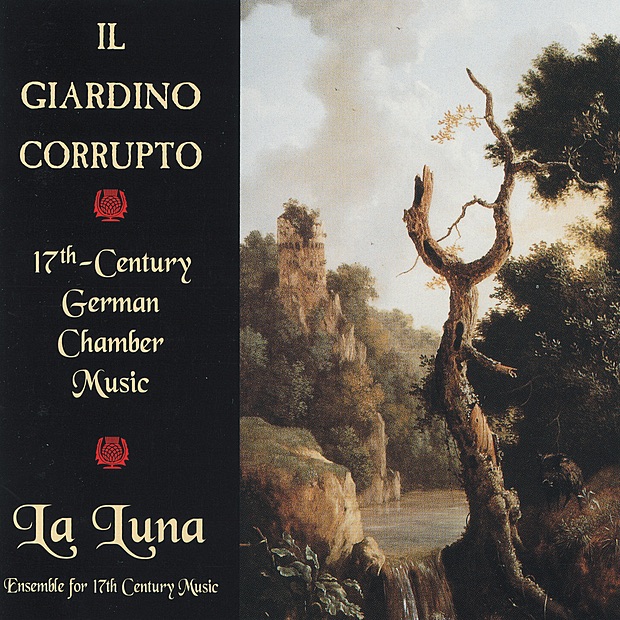 October 30, 2001
Vocal
-
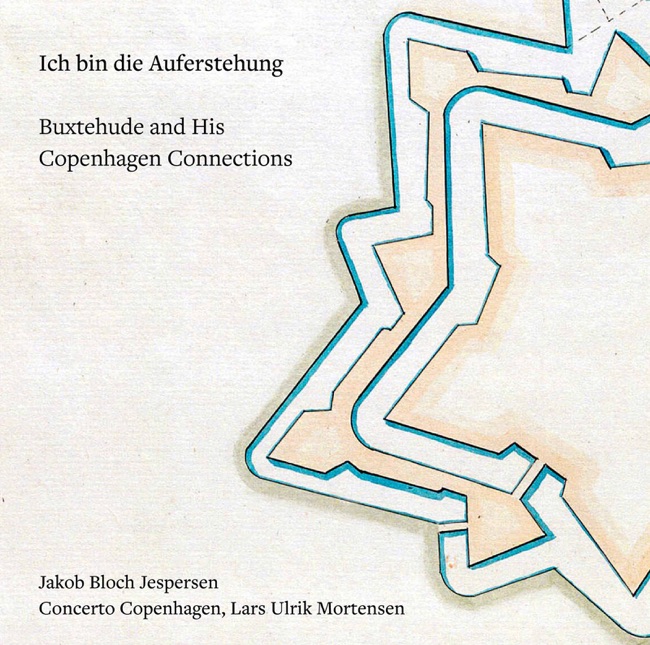
-
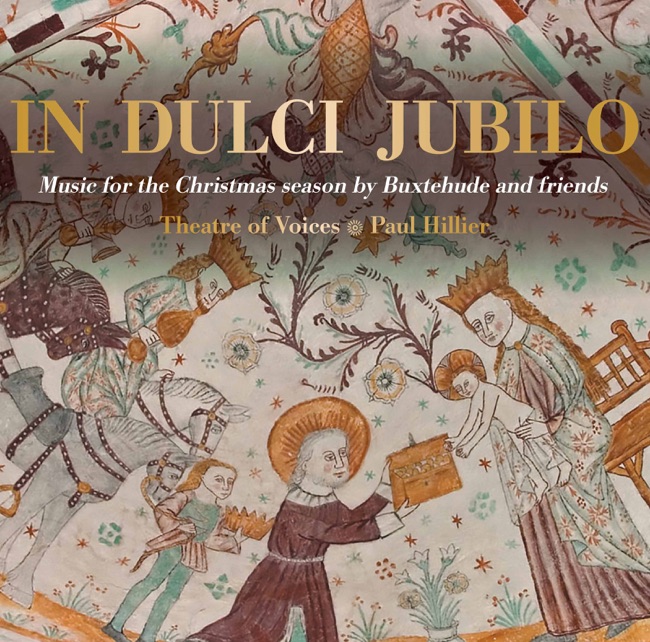
-
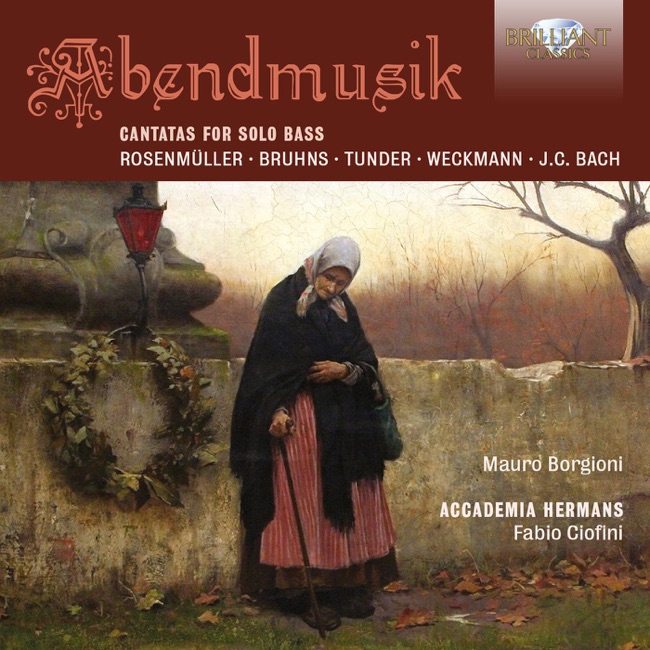 July 24, 2015
Artist Info
Role:ComposerCountry: GermanyBirth:1619 in Niederdorla, GermanyDeath:February 24, 1674 in Hamburg, GermanyPeriod:BaroqueGenre:ChamberKeyboardMatthias Weckmann was a German composer and organist who lived during the Baroque period. He was born in 1616 in Niederdorla, a small town in Thuringia, Germany. His father, Johann Weckmann, was a musician and organist, and it is likely that Matthias received his early musical training from him. Weckmann's musical talent was evident from a young age, and he was sent to study with Heinrich Schütz, one of the most important composers of the early Baroque period. Schütz was impressed with Weckmann's abilities and recommended him for a position as organist at the court of Duke Augustus of Brunswick-Wolfenbüttel. In 1642, Weckmann moved to Dresden to take up a position as organist at the court of Elector Johann Georg I of Saxony. He remained in Dresden for the rest of his life, serving as organist at the court and at the city's main churches. Weckmann's compositions are primarily vocal and instrumental works for the church. He wrote a number of cantatas, motets, and psalm settings, as well as instrumental works for the organ and other instruments. His music is characterized by its rich harmonies, expressive melodies, and intricate counterpoint. One of Weckmann's most famous works is his setting of the Magnificat, a hymn of praise to the Virgin Mary. This work is scored for five voices and instruments, and features a number of virtuosic instrumental solos. The Magnificat is notable for its complex harmonies and intricate counterpoint, which demonstrate Weckmann's mastery of Baroque compositional techniques. Another important work by Weckmann is his Sonata No. 2 in D major for violin, viola da gamba, and continuo. This work is a prime example of the Baroque sonata, with its alternating fast and slow movements and virtuosic instrumental writing. The Sonata No. 2 is notable for its expressive melodies and rich harmonies, which showcase Weckmann's skill as a composer. Weckmann's music was highly regarded during his lifetime, and he was considered one of the leading composers of his time. His works were performed throughout Germany and beyond, and he was admired for his skill as both a composer and performer. Despite his success, Weckmann's life was not without its challenges. He suffered from poor health throughout his life, and his financial situation was often precarious. Nevertheless, he continued to compose and perform until his death in 1674. Today, Weckmann is remembered as one of the most important composers of the Baroque period. His music continues to be performed and recorded, and his legacy lives on as a testament to his skill and creativity as a composer.More....
Recent Artist Music
9
4:4
Copyright Ⓒ 2013 Davinci Finger. All rights reseved
Service Terms & Policy