Matthias Weckmann
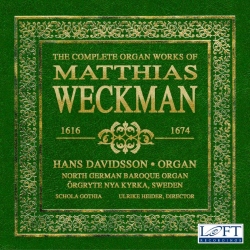
Toccata vel Præludium Primi Toni, KN 147/1
Released Album
Recent Album
Featured Album
Works Info
Composer:Matthias WeckmannGenre:KeyboardStyle:KeyboardAverage_duration:2:11Matthias Weckmann was a German composer and organist of the Baroque era. He was born in 1616 in Thuringia and died in 1674 in Hamburg. Weckmann was a student of Heinrich Schütz and worked as an organist in various cities in Germany, including Dresden, Nuremberg, and Hamburg. One of Weckmann's most famous works is the 'Toccata vel Præludium Primi Toni, KN 147/1', which was composed in the mid-17th century. The piece is a toccata and prelude in the first tone, which was a common key for organ music in the Baroque era. The 'Toccata vel Præludium Primi Toni' is a virtuosic piece that showcases the capabilities of the organ. It is composed in a free form, with no strict structure or meter. The piece begins with a toccata section, which features fast, improvisatory passages and virtuosic runs. This section is followed by a prelude, which is more contemplative and introspective. The prelude features a series of chords and arpeggios, which gradually build in intensity and lead back to the toccata section. The 'Toccata vel Præludium Primi Toni' is characterized by its use of counterpoint and chromaticism. Weckmann was known for his skill in counterpoint, and this piece features intricate and complex lines that weave in and out of each other. The chromaticism in the piece adds a sense of tension and drama, as the music moves through unexpected and dissonant harmonies. The 'Toccata vel Præludium Primi Toni' was premiered during Weckmann's lifetime, likely in one of the churches where he worked as an organist. The piece has since become a staple of the organ repertoire and is frequently performed in recitals and church services. Its virtuosic and expressive qualities continue to captivate audiences and demonstrate Weckmann's skill as a composer and organist.More....
Works Music
Released Music
3

1:57
4
2:26
Featured Music