


Richard Strauss
Hymns (3) of Friedrich Hölderlin, Op. 71
Released Album
Recent Album
Featured Album
Works Info
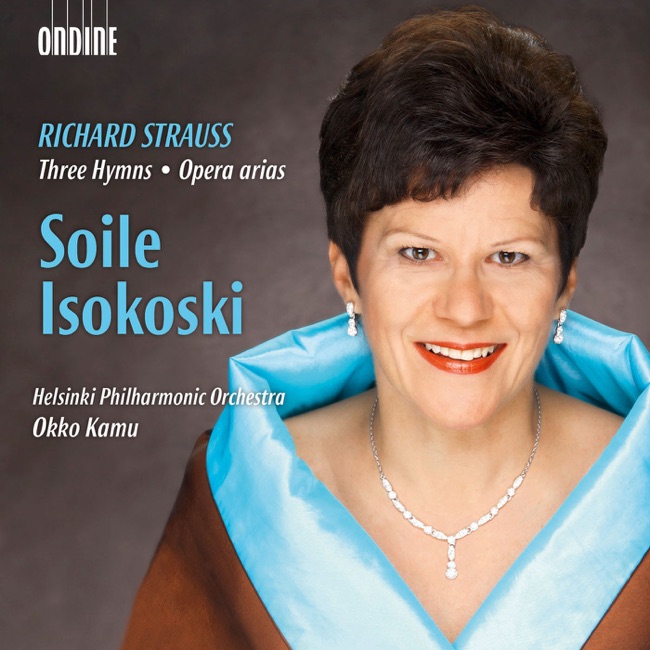
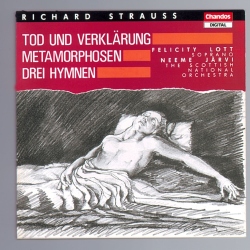
Composer:Richard StraussGenre:VocalStyle:HymnCompose Date:1921Average_duration:19:01Movement_count:3Movement ....Richard Strauss composed his 'Hymns (3) of Friedrich Hölderlin, Op. 71' in 1921. The work premiered on October 23, 1921, in Frankfurt, Germany, with the composer conducting the Frankfurt Radio Symphony Orchestra. The three movements of the work are titled "Hälfte des Lebens" (Half of Life), "Der Ister" (The Danube River), and "Morgenrot" (Dawn). The first movement, "Hälfte des Lebens," is a setting of Hölderlin's poem of the same name. The poem reflects on the idea that life is divided into two halves, with the first half being full of youthful energy and the second half being marked by the realization of mortality. Strauss's music captures the melancholic mood of the poem, with a slow and mournful opening that gradually builds to a powerful climax before subsiding into a quiet and reflective conclusion. The second movement, "Der Ister," is based on Hölderlin's poem about the Danube River. The poem reflects on the river's beauty and power, as well as its historical significance as a boundary between different cultures and civilizations. Strauss's music captures the grandeur and majesty of the river, with sweeping melodies and rich orchestration that evoke the natural beauty of the landscape. The final movement, "Morgenrot," is a setting of Hölderlin's poem about the dawn. The poem reflects on the idea that each new day brings the possibility of renewal and rebirth, even in the face of the inevitability of death. Strauss's music captures the optimism and hopefulness of the poem, with a bright and energetic opening that gradually builds to a triumphant conclusion. Overall, 'Hymns (3) of Friedrich Hölderlin, Op. 71' is a powerful and moving work that showcases Strauss's skill as a composer and his ability to capture the emotional depth and complexity of Hölderlin's poetry. The work is characterized by its rich orchestration, sweeping melodies, and powerful climaxes, as well as its ability to evoke a wide range of emotions and moods, from melancholy and introspection to grandeur and triumph.More....
Works Music
Released Music
Featured Music
Main Perform Artists