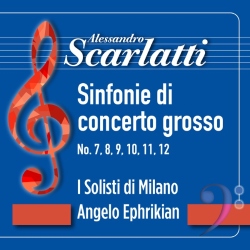
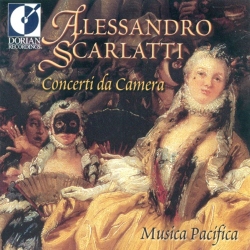
Alessandro Scarlatti
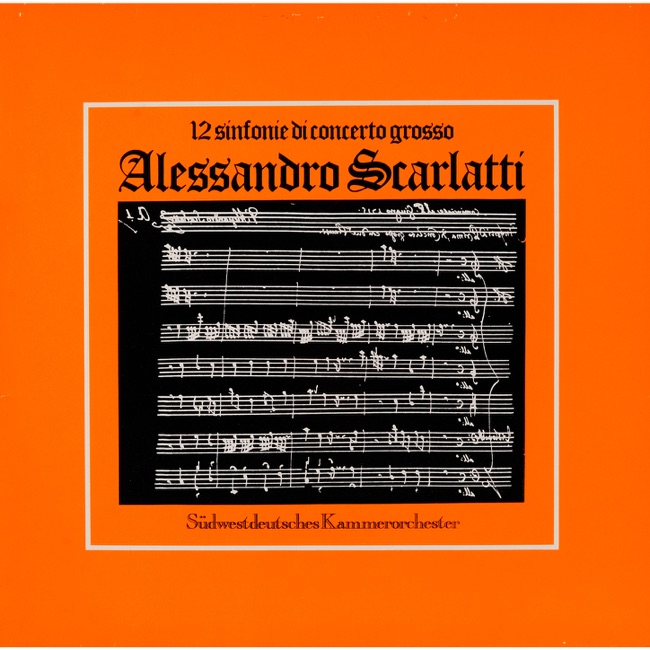
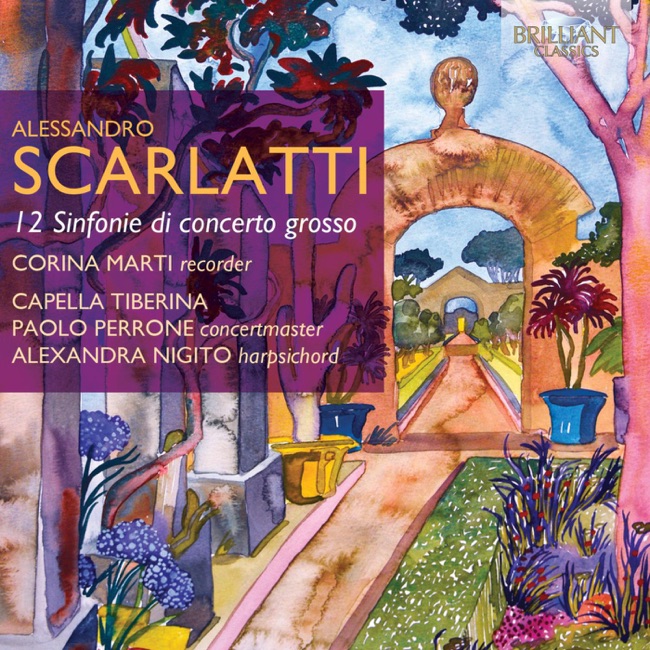
Sinfonie di concerto grosso No. 12 in C minor
Released Album
Recent Album

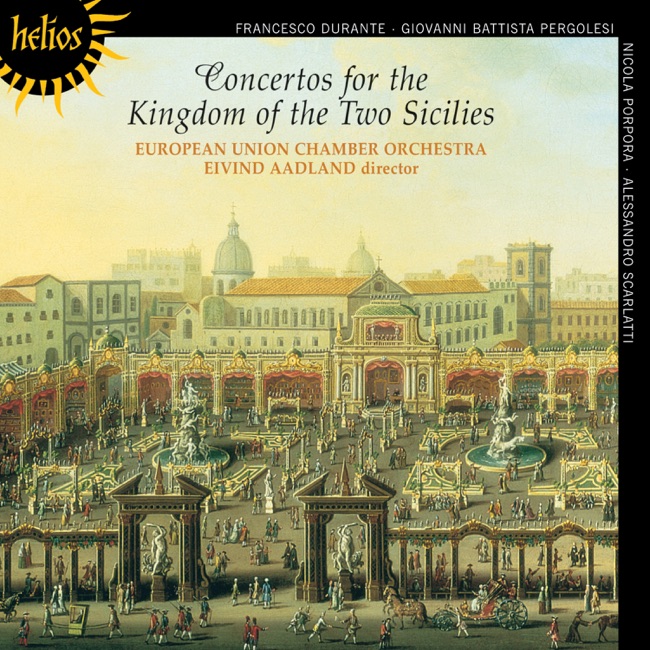
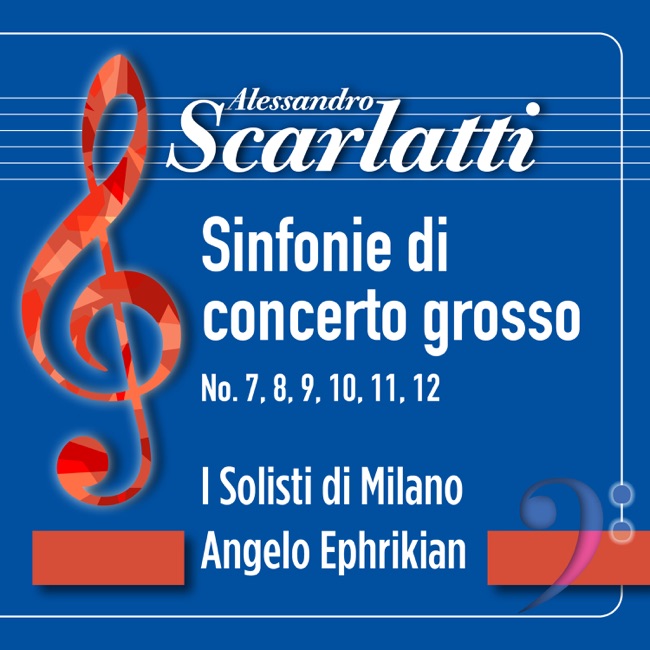
Works Info
Composer:Alessandro ScarlattiGenre:ConcertoStyle:ConcertoCompose Date:1715Average_duration:7:50Movement_count:4Movement ....Alessandro Scarlatti's Sinfonie di concerto grosso No. 12 in C minor, also known as the "Christmas Concerto," was composed in the early 18th century. The exact date of composition is unknown, but it is believed to have been written between 1705 and 1710. The piece was first performed in Rome, likely in a private setting, and was not published until the 20th century. The concerto grosso is divided into six movements, each with its own distinct character and mood. The first movement, marked Grave, is a somber introduction featuring the full ensemble. The second movement, marked Allegro, is a lively dance in triple meter, featuring the concertino group of two violins and cello. The third movement, marked Adagio, is a slow and expressive aria for solo violin, accompanied by the ripieno group of strings. The fourth movement, marked Allegro, is a lively and energetic fugue, featuring the full ensemble. The fifth movement, marked Largo, is a beautiful and contemplative aria for solo cello, accompanied by the ripieno group of strings. The final movement, marked Allegro, is a joyful and celebratory dance in compound meter, featuring the full ensemble. The "Christmas Concerto" is characterized by its use of contrasting textures and dynamics, as well as its virtuosic solo passages. Scarlatti's use of the concerto grosso form allows for a rich interplay between the concertino and ripieno groups, creating a dynamic and engaging musical experience. The piece is also notable for its use of traditional Christmas melodies, including "Adeste Fideles" and "Gloria in Excelsis Deo," which are woven into the fabric of the composition. Overall, Scarlatti's Sinfonie di concerto grosso No. 12 in C minor is a masterful example of the Baroque concerto grosso form, showcasing the composer's skillful use of contrasting textures, virtuosic solo passages, and traditional melodies. Its joyful and celebratory character make it a beloved piece of Christmas music, and a testament to Scarlatti's enduring legacy as a composer.More....
Works Music
Released Music
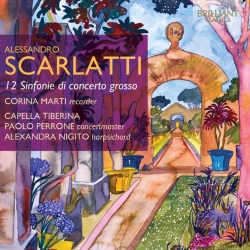
4
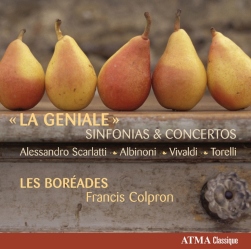
2:40
5
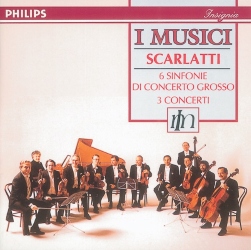
10:13
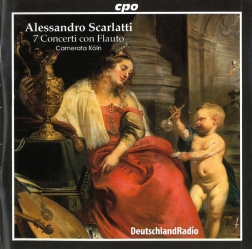
7
1:37