


Camille Saint-Saëns
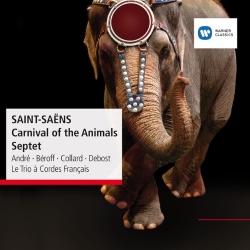
Septet in E flat major, Op. 65
Released Album
Recent Album




Featured Album
Works Info
Composer:Camille Saint-SaënsGenre:ChamberStyle:SeptetCompose Date:1881Average_duration:16:53Movement_count:4Movement ....Camille Saint-Saëns composed his Septet in E flat major, Op. 65 in 1880. The piece premiered on March 1, 1881, at the Salle Pleyel in Paris. The septet is divided into seven movements, each with its own unique character and style. The first movement, marked Allegro moderato, begins with a lively and energetic theme played by the strings. The clarinet and horn then join in, adding a warm and rich texture to the music. The movement is characterized by its playful and cheerful nature, with each instrument taking turns to showcase its virtuosity. The second movement, marked Adagio, is a beautiful and lyrical piece that features the cello and violin in a duet. The clarinet and horn provide a gentle accompaniment, creating a serene and peaceful atmosphere. The movement is notable for its expressive melodies and delicate harmonies. The third movement, marked Menuetto, is a lively and rhythmic dance that features the clarinet and horn in a playful duet. The strings provide a lively accompaniment, creating a joyful and festive atmosphere. The movement is characterized by its lively rhythms and catchy melodies. The fourth movement, marked Andante, is a beautiful and melancholic piece that features the violin and cello in a duet. The clarinet and horn provide a gentle accompaniment, creating a somber and reflective atmosphere. The movement is notable for its expressive melodies and poignant harmonies. The fifth movement, marked Allegro molto, is a lively and energetic piece that features the clarinet and horn in a virtuosic duet. The strings provide a lively accompaniment, creating a joyful and festive atmosphere. The movement is characterized by its fast-paced rhythms and lively melodies. The sixth movement, marked Andante con moto, is a beautiful and lyrical piece that features the violin and cello in a duet. The clarinet and horn provide a gentle accompaniment, creating a serene and peaceful atmosphere. The movement is notable for its expressive melodies and delicate harmonies. The seventh and final movement, marked Allegro, is a lively and energetic piece that features all the instruments in a lively and virtuosic ensemble. The movement is characterized by its fast-paced rhythms and lively melodies, bringing the piece to a joyful and festive conclusion. Overall, Saint-Saëns' Septet in E flat major, Op. 65 is a beautiful and expressive piece that showcases the composer's mastery of chamber music. The piece is notable for its expressive melodies, delicate harmonies, and virtuosic ensemble writing, making it a beloved work in the chamber music repertoire.More....
Works Music
Released Music


4

2:4

7
4:26


Featured Music
5
4:2


Main Perform Artists
Double Bass
Trumpet
Piano
Double Bass