


Louis Fourestier
Released Album
Opera
-
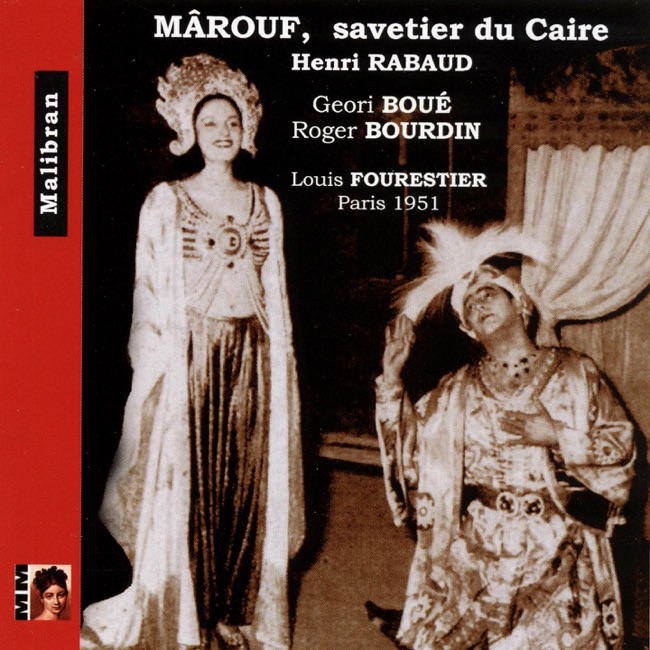 January 1, 2017
 -
 November 26, 2015
 -
 November 25, 2015
 -
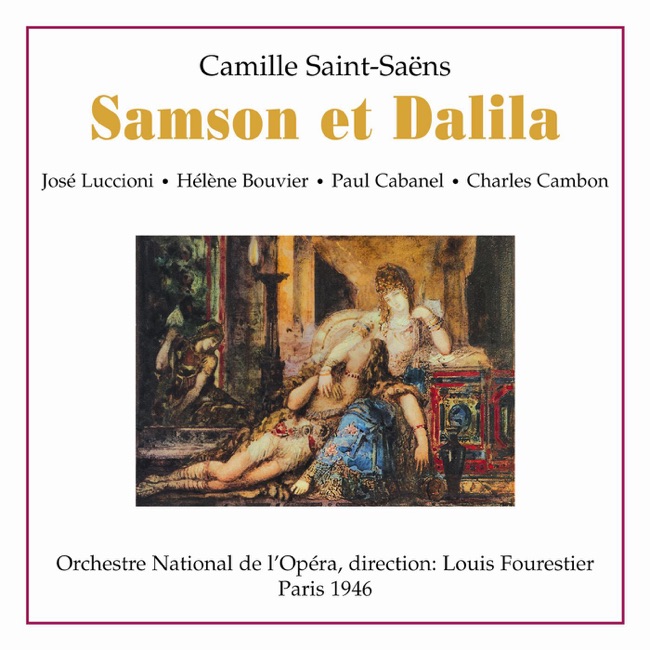 August 16, 2010
 -
 July 4, 2010
 -
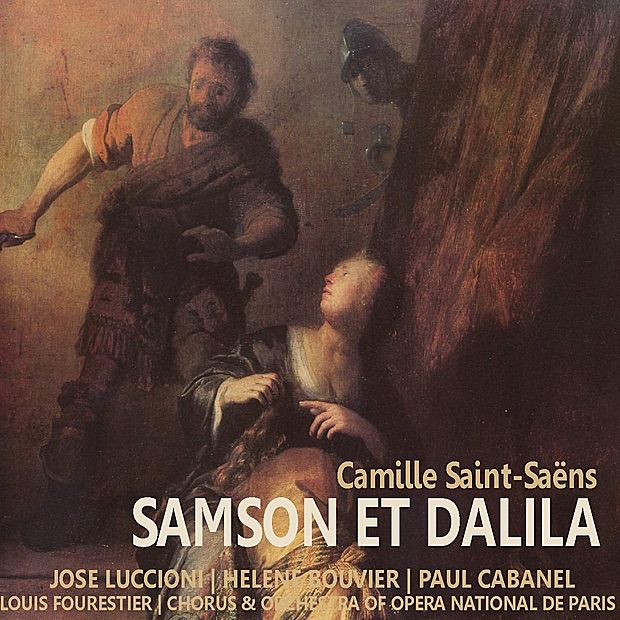 March 1, 2010
Concerto
-
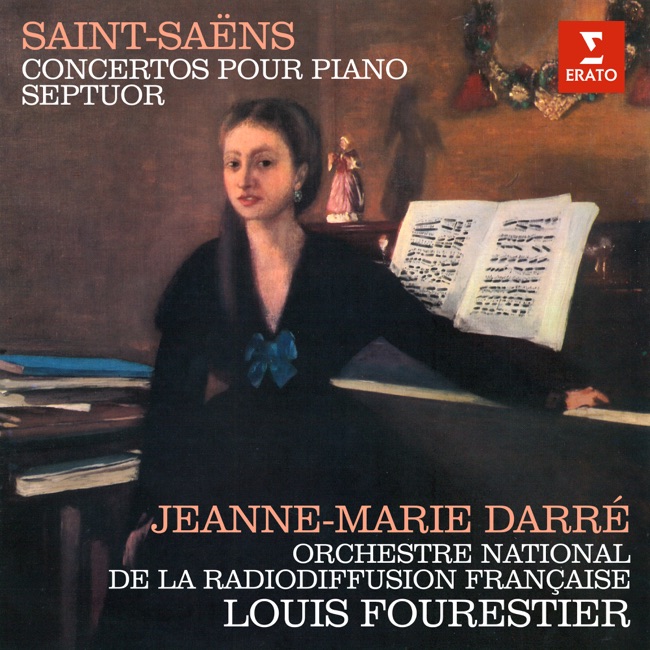 December 6, 2021
 -
 February 22, 2021
 -
Symphony
-
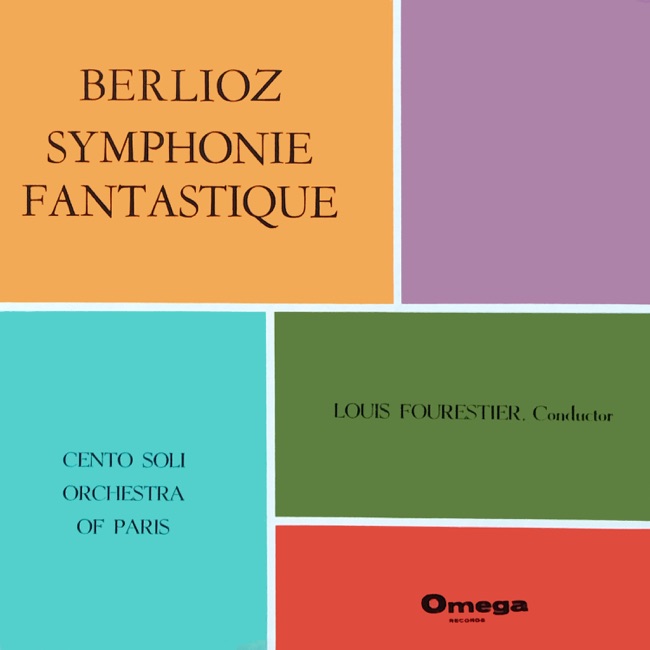 May 19, 1958
Artist Info
Role:ConductorPeriod:RomanticGenre:OperaLouis Fourestier was a French conductor and composer who made significant contributions to the world of classical music during the 20th century. Born on January 5, 1892, in Paris, France, Fourestier showed an early interest in music and began studying the violin at a young age. He later switched to the viola and became a member of the Paris Conservatory Orchestra. Fourestier's career as a conductor began in 1919 when he was appointed as the conductor of the Orchestre des Concerts Pasdeloup. He held this position for several years and gained a reputation as a skilled conductor with a keen ear for detail. In 1924, he was appointed as the conductor of the Orchestre de la Société des Concerts du Conservatoire, a position he held until 1944. During his tenure with the Orchestre de la Société des Concerts du Conservatoire, Fourestier conducted numerous premieres of works by prominent composers such as Maurice Ravel, Igor Stravinsky, and Francis Poulenc. He also conducted the French premieres of works by Gustav Mahler and Arnold Schoenberg, helping to introduce these composers to French audiences. Fourestier's reputation as a conductor continued to grow, and he was invited to conduct orchestras around the world. He made his debut with the London Philharmonic Orchestra in 1931 and went on to conduct the New York Philharmonic, the Boston Symphony Orchestra, and the Chicago Symphony Orchestra, among others. In addition to his work as a conductor, Fourestier was also a prolific composer. He wrote music for a variety of genres, including orchestral works, chamber music, and vocal music. His compositions were often influenced by his love of French culture and his interest in the music of other cultures, particularly those of Asia and Africa. Fourestier's most famous composition is his Suite française, which was written in 1944 and premiered by the Orchestre de la Société des Concerts du Conservatoire. The suite is a tribute to the French people and their resilience during World War II. It is composed of six movements, each of which is based on a traditional French folk song. Throughout his career, Fourestier received numerous awards and honors for his contributions to the world of classical music. In 1935, he was awarded the Legion of Honor, one of France's highest honors. He was also awarded the Grand Prix de la Ville de Paris in 1947 and the Grand Prix National de la Musique in 1953. Fourestier continued to conduct and compose music until his death on August 26, 1976, in Paris, France. His legacy as a conductor and composer continues to inspire musicians around the world, and his contributions to the world of classical music will be remembered for generations to come.More....
Recent Artist Music










Copyright Ⓒ 2013 Davinci Finger. All rights reseved
Service Terms & Policy