Franz Joseph Haydn
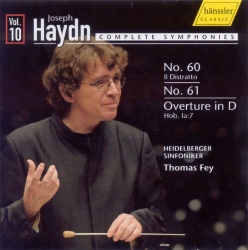
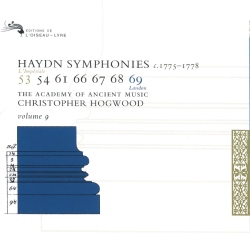
Symphony No. 61 in D major, H. 1/61
Released Album
Recent Album
Featured Album
Works Info
Composer:Franz Joseph HaydnGenre:SymphonyStyle:SymphonyCompose Date:1776Average_duration:22:35Movement_count:4Movement ....Franz Joseph Haydn's Symphony No. 61 in D major, H. 1/61, also known as the "Philosopher" Symphony, was composed in 1779. It premiered in the same year in Eszterháza, Hungary, where Haydn was employed as the court composer for the Esterházy family. The symphony consists of four movements, typical of the classical symphonic form. The first movement, marked Vivace, begins with a lively and energetic theme played by the strings. The theme is then developed and expanded upon by the woodwinds and brass, creating a sense of excitement and anticipation. The second movement, marked Adagio, is a slow and contemplative piece, featuring a beautiful melody played by the strings. The third movement, marked Menuetto, is a traditional minuet and trio, with a playful and dance-like character. The final movement, marked Allegro di molto, is a fast and lively piece, featuring a virtuosic solo for the violin. One of the most notable characteristics of the "Philosopher" Symphony is its use of musical symbolism. The nickname "Philosopher" was given to the symphony due to its supposed philosophical and intellectual qualities. The second movement, for example, is said to represent the contemplative and introspective nature of philosophy, while the final movement represents the joy and celebration of life. Overall, Symphony No. 61 in D major is a prime example of Haydn's mastery of the classical symphonic form. Its use of musical symbolism and its lively and energetic character make it a beloved piece in the classical repertoire.More....
Works Music
Released Music

2
7:32
3

8:6

7
8:28
8
8:7
10

4:29
Featured Music
1
7:38
2
9:42