Heinrich Scheidemann
Toccata for organ in G major, WV 43
Released Album
Recent Album

Works Info
Composer:Heinrich ScheidemannGenre:KeyboardStyle:ToccataAverage_duration:7:01Heinrich Scheidemann's 'Toccata for organ in G major, WV 43' is a masterpiece of the Baroque era. It was composed in the early 17th century and is considered one of the most significant works of the North German organ school. The piece is believed to have been written for the organ of the St. Catherine's Church in Hamburg, where Scheidemann was the organist. The 'Toccata for organ in G major, WV 43' is a single-movement work that is characterized by its virtuosic and improvisatory style. The piece begins with a lively and energetic introduction that sets the tone for the entire work. The main body of the piece is a series of fast and intricate passages that showcase the technical abilities of the organist. The music is full of rapid runs, arpeggios, and trills, which require great dexterity and precision from the performer. The 'Toccata for organ in G major, WV 43' is written in G major and is in a binary form. The first section is in G major and the second section is in D major. The piece is marked by frequent changes in tempo and dynamics, which add to its dramatic effect. The use of dissonance and chromaticism also adds to the piece's intensity and complexity. The premiere of the 'Toccata for organ in G major, WV 43' is not known, but it is believed to have been performed in the early 17th century. The piece has since become a staple of the organ repertoire and is frequently performed in recitals and concerts. In conclusion, Heinrich Scheidemann's 'Toccata for organ in G major, WV 43' is a masterpiece of the Baroque era. Its virtuosic and improvisatory style, intricate passages, and dramatic effect make it a challenging and rewarding piece for organists to perform. Its premiere date is unknown, but it has since become a beloved work in the organ repertoire.More....
Works Music
Released Music
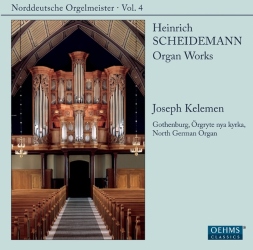
7
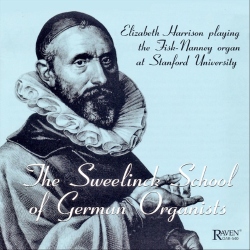
9:11