Arnold Schoenberg
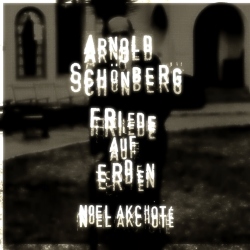
Peace on Earth, Op. 13
Released Album
Recent Album


Featured Album
Works Info
Composer:Arnold SchoenbergGenre:ChoralStyle:ChorusCompose Date:1907Average_duration:9:28Arnold Schoenberg's 'Peace on Earth, Op. 13' is a choral work that was composed in 1907. The piece was premiered on December 24, 1907, in Vienna, Austria. The work is divided into three movements, each with its own unique characteristics. The first movement, titled "Friede auf Erden" (Peace on Earth), is a setting of a poem by Conrad Ferdinand Meyer. The movement begins with a soft and gentle choral introduction, which gradually builds in intensity as the voices join together in harmony. The music is characterized by lush harmonies and a sense of longing for peace and unity. The second movement, titled "Die Wasserrose" (The Water Lily), is a setting of a poem by Richard Dehmel. This movement is more introspective and contemplative than the first. The music is characterized by a sense of stillness and calm, with the voices weaving in and out of each other in a delicate and intricate web of sound. The third and final movement, titled "Vergänglichkeit" (Transience), is a setting of a poem by Friedrich Nietzsche. This movement is the most dramatic and intense of the three, with the voices soaring to great heights and the music building to a powerful climax. The music is characterized by a sense of urgency and a call to action, urging listeners to seize the moment and work towards a better future. Overall, 'Peace on Earth, Op. 13' is a powerful and moving work that speaks to the universal human desire for peace and unity. The music is characterized by lush harmonies, intricate textures, and a sense of urgency and longing. It remains a beloved and influential work in the choral repertoire to this day.More....
Works Music
Released Music

4
1:8
5
8:44

Featured Music