


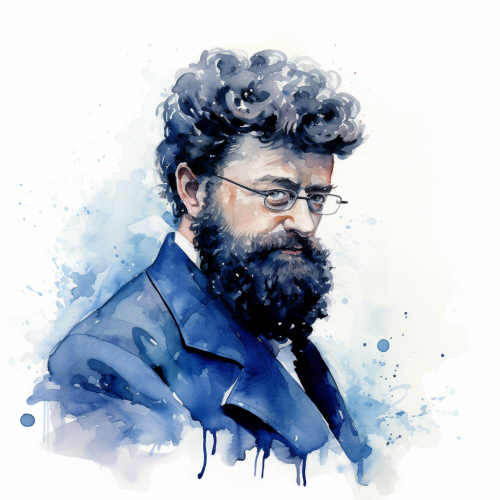
Georges Bizet
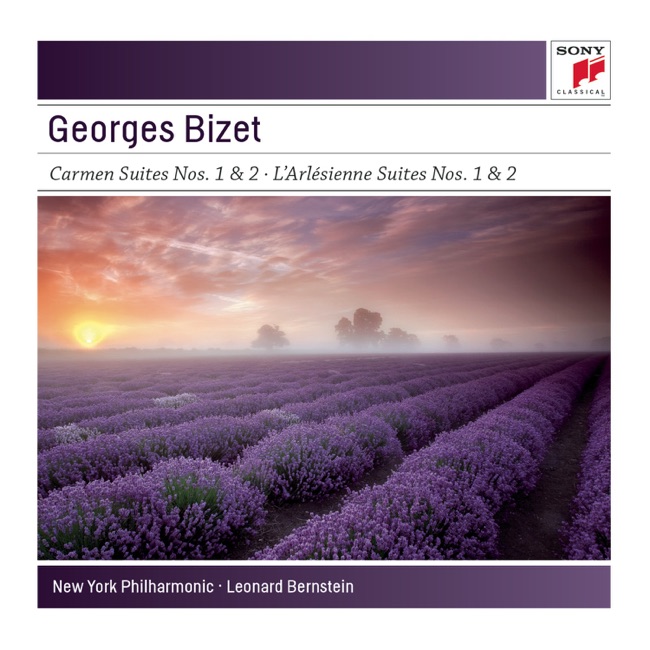
Carmen Suites for orchestra Nos. 1 & 2
Released Album
Recent Album






Works Info
Composer:Georges BizetGenre:OrchestralStyle:SuiteCompose Date:1875Average_duration:26:26Georges Bizet's "Carmen Suites for Orchestra Nos. 1 & 2" are two of the most popular orchestral works in the classical music repertoire. The suites are derived from Bizet's opera "Carmen," which premiered in Paris in 1875. The opera was initially met with mixed reviews, but it has since become one of the most beloved and frequently performed operas in the world. The first suite was arranged by Bizet's friend and colleague Ernest Guiraud shortly after the composer's death in 1875. It consists of six movements, each of which captures a different aspect of the opera's story and characters. The first movement, the Prelude, is a dramatic and powerful introduction that sets the stage for the rest of the suite. The second movement, the Aragonaise, is a lively and energetic dance that reflects the Spanish influence on the opera's setting and characters. The third movement, the Intermezzo, is a hauntingly beautiful piece that features a solo flute and strings. The fourth movement, the Seguidilla, is a lively and rhythmic dance that showcases the vocal talents of the mezzo-soprano soloist. The fifth movement, the Les Dragons d'Alcala, is a military march that features brass and percussion. The final movement, the Les Toreadors, is a rousing and triumphant finale that brings the suite to a thrilling conclusion. The second suite was arranged by Bizet's friend and colleague Fritz Hoffmann shortly after the composer's death in 1875. It consists of five movements, each of which captures a different aspect of the opera's story and characters. The first movement, the Marche des Contrebandiers, is a lively and rhythmic march that features brass and percussion. The second movement, the Habanera, is a sultry and seductive dance that showcases the vocal talents of the mezzo-soprano soloist. The third movement, the Nocturne, is a beautiful and atmospheric piece that features a solo flute and strings. The fourth movement, the Chanson du Toreador, is a lively and rhythmic song that showcases the vocal talents of the baritone soloist. The final movement, the Danse Boheme, is a lively and energetic dance that features a variety of instruments and rhythms. Overall, the "Carmen Suites for Orchestra Nos. 1 & 2" are characterized by their lively rhythms, beautiful melodies, and dramatic flair. They are a testament to Bizet's skill as a composer and his ability to capture the essence of a story and its characters through music. The suites have been performed and recorded by countless orchestras and conductors over the years, and they continue to be beloved by audiences around the world.More....
Works Music
Released Music





Main Perform Artists