Dietrich Buxtehude
Magnificat, BuxWV Anh 1
Released Album
Recent Album
Works Info
Composer:Dietrich BuxtehudeGenre:ChoralStyle:MagnificatAverage_duration:8:25Dietrich Buxtehude's Magnificat, BuxWV Anh 1, is a sacred choral work composed in the 17th century. The exact date of composition is unknown, but it is believed to have been written between 1675 and 1700. The piece is written for five-part choir, with two sopranos, alto, tenor, and bass, and is based on the text of the Magnificat, a hymn of praise to the Virgin Mary. The Magnificat, BuxWV Anh 1, is divided into nine movements, each of which corresponds to a different section of the Magnificat text. The first movement, "Magnificat anima mea Dominum," is a lively and joyful setting of the opening lines of the hymn. The second movement, "Et exultavit spiritus meus," is a solo for alto, accompanied by the choir, which expresses the exultation of Mary's spirit. The third movement, "Quia respexit humilitatem ancillae suae," is a duet for soprano and bass, which highlights the humility of Mary. The fourth movement, "Quia fecit mihi magna qui potens est," is a solo for tenor, which praises the greatness of God. The fifth movement, "Et misericordia eius a progenie in progenies," is a duet for alto and tenor, which celebrates the mercy of God. The sixth movement, "Fecit potentiam in brachio suo," is a solo for bass, which emphasizes the power of God. The seventh movement, "Deposuit potentes de sede," is a chorus that describes how God has brought down the powerful from their thrones. The eighth movement, "Esurientes implevit bonis," is a duet for soprano and alto, which speaks of how God has filled the hungry with good things. The final movement, "Suscepit Israel puerum suum," is a chorus that concludes the hymn with a triumphant affirmation of God's faithfulness to his people. Throughout the Magnificat, Buxtehude employs a variety of musical techniques, including imitative counterpoint, homophonic textures, and expressive chromaticism, to convey the meaning and emotion of the text. Overall, the Magnificat, BuxWV Anh 1, is a masterful example of Baroque choral music, characterized by its rich harmonies, intricate textures, and expressive melodies. It premiered in the context of Lutheran church services, where it would have been performed by a choir and organist, and it continues to be a beloved and frequently performed work in the choral repertoire.More....
Works Music
Released Music
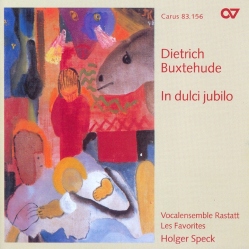
5
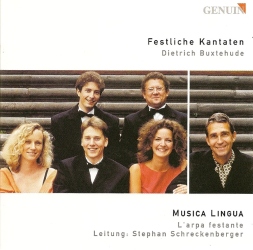
7:14