Astor Piazzolla
Buenos Aires hora cero
Released Album
Recent Album
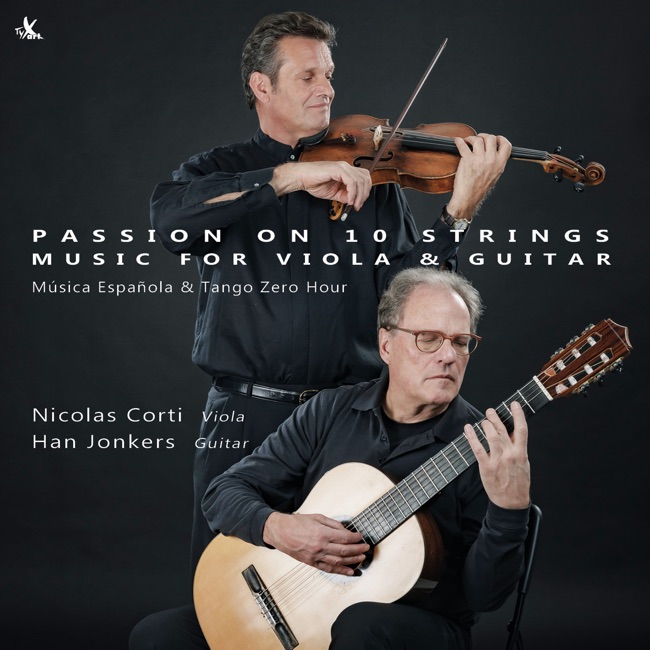

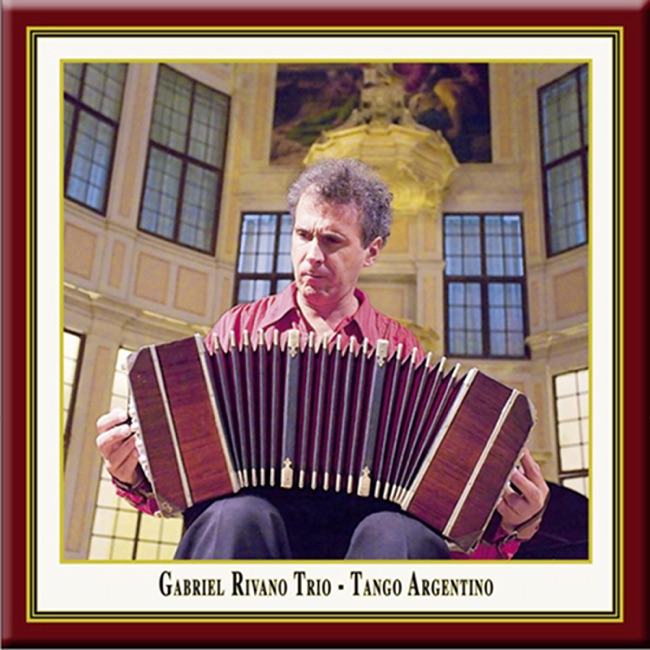
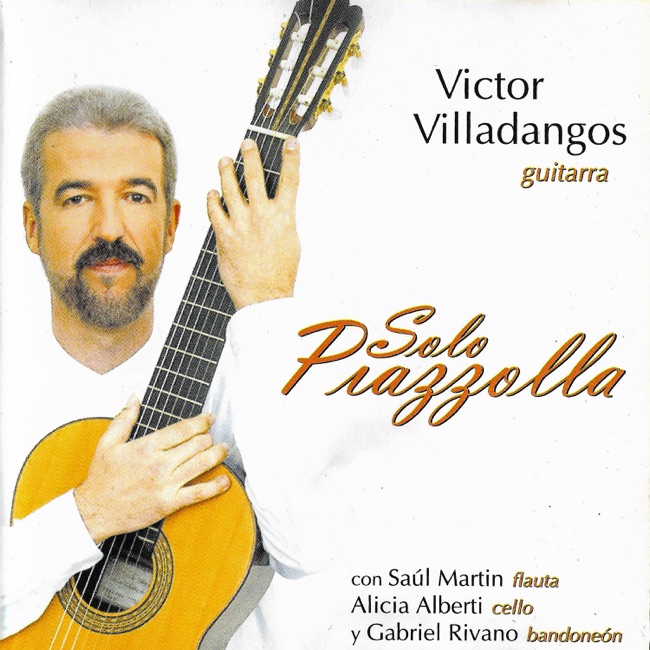

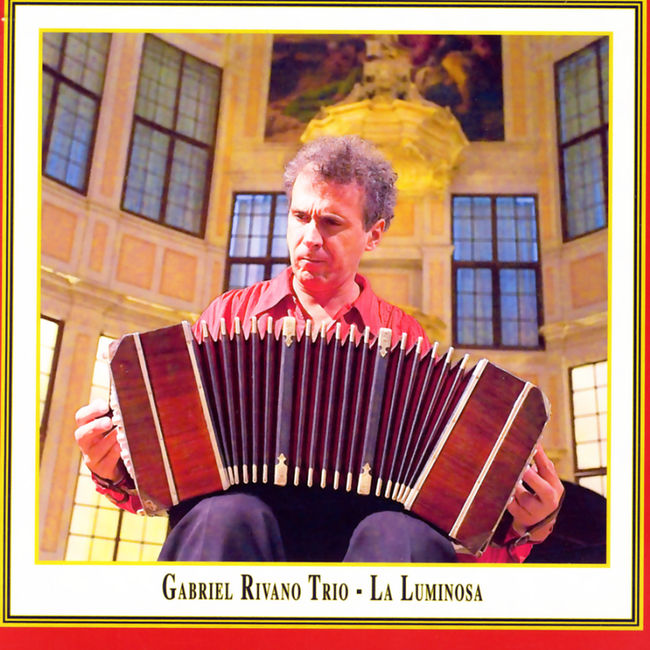
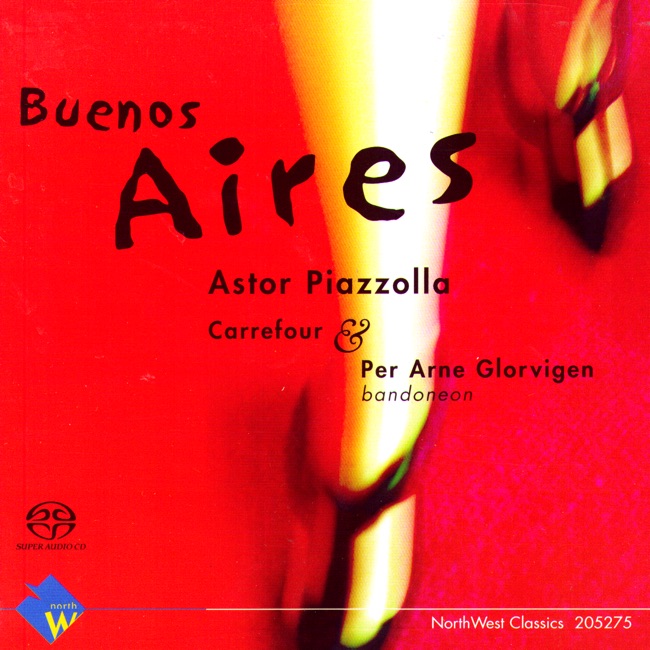
Featured Album
Works Info
Composer:Astor PiazzollaGenre:ChamberStyle:TangoAverage_duration:5:11Buenos Aires hora cero is a tango composition by the Argentine composer and bandoneón player Astor Piazzolla. It was composed in 1954 and premiered in Buenos Aires the same year. The piece is part of Piazzolla's "Nuevo Tango" style, which incorporates elements of jazz and classical music into traditional Argentine tango. Buenos Aires hora cero is divided into three movements. The first movement, "Tanguango," is a fusion of tango and milonga rhythms. It begins with a slow, mournful melody played by the bandoneón, which is then joined by the piano and violin. The tempo gradually increases, and the music becomes more intense and rhythmic. The second movement, "Nuevo Mundo," is a fast-paced, jazzy piece that features virtuosic solos by the bandoneón, piano, and violin. The music is characterized by complex rhythms and harmonies, and the performers are required to play with great precision and energy. The final movement, "Fuga y Misterio," is a fugue that combines elements of tango and classical music. It begins with a somber, mysterious melody played by the bandoneón, which is then taken up by the other instruments. The music gradually builds in intensity, with the performers trading off solos and playing intricate counterpoint. Overall, Buenos Aires hora cero is a challenging and complex piece that showcases Piazzolla's innovative approach to tango music. It is characterized by its fusion of different musical styles, its virtuosic solos, and its intricate rhythms and harmonies. The piece has become a staple of the tango repertoire and is widely regarded as one of Piazzolla's most important works.More....
Works Music
Released Music
1
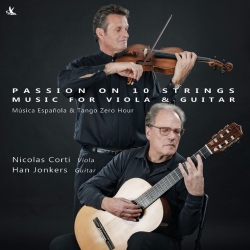
2:7
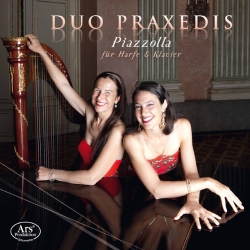
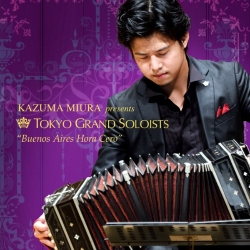
Featured Music