


Johann Sebastian Bach
Cantata No. 161, "Komm, du süsse Todesstunde", BWV 161
Released Album
Recent Album

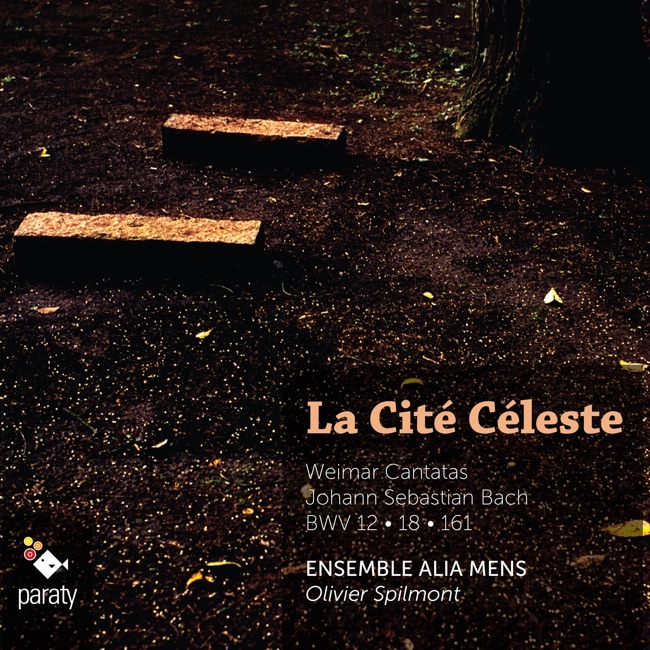
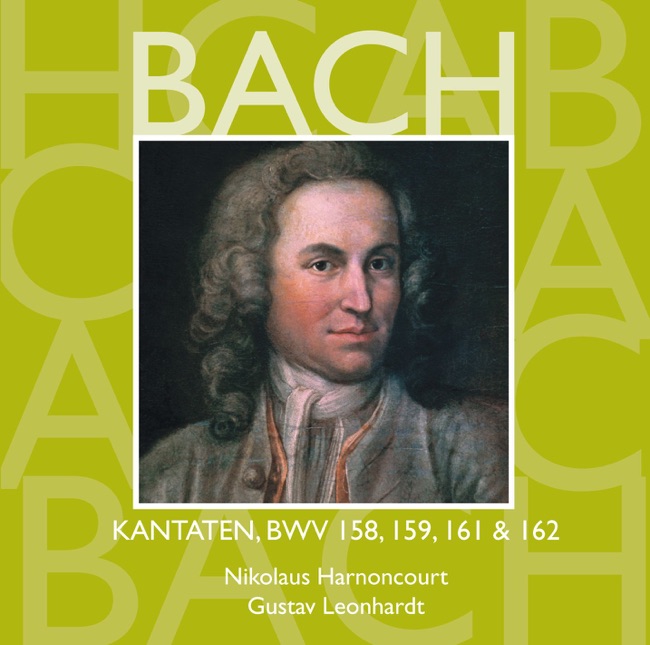
Works Info
Composer:Johann Sebastian BachGenre:ChoralStyle:CantataCompose Date:Oct 6, 1715Publication Date:1887First Performance:Oct 6, 1715Average_duration:19:01Movement_count:6Movement ....Johann Sebastian Bach composed Cantata No. 161, Komm, du süße Todesstunde, BWV 161, in Weimar in 1716. The cantata was premiered on the 16th Sunday after Trinity, which fell on September 27, 1716. The cantata is divided into six movements and is scored for soprano, alto, tenor, and bass soloists, a four-part choir, and a small orchestra consisting of two oboes, strings, and continuo. The first movement is an aria for the soprano soloist, accompanied by the orchestra. The aria is in the form of a lullaby, with the soprano singing to the sweet death that will bring her to eternal life. The second movement is a recitative for the bass soloist, who sings of the joys of death and the hope of eternal life. The third movement is an aria for the alto soloist, accompanied by the oboes and continuo. The aria is in the form of a pastoral dance, with the alto singing of the peace and rest that death will bring. The fourth movement is a recitative for the tenor soloist, who sings of the fear and uncertainty that death brings. The fifth movement is an aria for the bass soloist, accompanied by the orchestra. The aria is in the form of a dance, with the bass singing of the joy and celebration that death brings. The final movement is a chorale for the choir, accompanied by the orchestra. The chorale is a prayer for a peaceful death and a hope for eternal life. The cantata is characterized by its contemplative and introspective tone, as well as its use of pastoral and dance-like melodies. The text of the cantata is based on a poem by Johann Christoph Rube, which reflects on the inevitability of death and the hope of eternal life. Bach's music captures the mood of the text, with its use of minor keys and chromatic harmonies, as well as its use of dance rhythms and pastoral melodies. Overall, Cantata No. 161, Komm, du süße Todesstunde, BWV 161, is a beautiful and contemplative work that reflects on the inevitability of death and the hope of eternal life. Its use of pastoral and dance-like melodies, as well as its introspective tone, make it a unique and moving work in Bach's oeuvre.More....
Works Music
Released Music
1
Cantata no. 161, "Come, you sweet hour of death", BWV 161
II. Recit: Welt, deine Lust ist Last
1:57
3
Cantata no. 161, "Come, you sweet hour of death", BWV 161
V. Coro. Wenn es meines Gottes wille
3:38
6
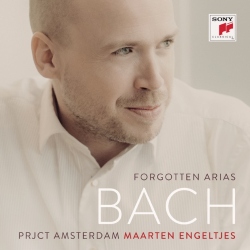
Cantata no. 161, "Come, you sweet hour of death", BWV 161
Komm du süße Todesstunde (BWV 161/1)
4:42
7
Cantata no. 161, "Come, you sweet hour of death", BWV 161
No. 3, Mein Verlangen ist, den Heiland zu umfangen
4:42

10
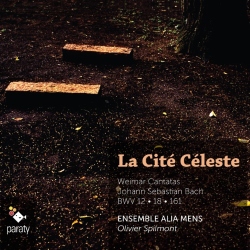
Cantata no. 161, "Come, you sweet hour of death", BWV 161
I. Aria, Komm, du süße Todesstunde
4:56
Main Perform Artists
Alto Vocals
Tenor Vocal
Counter Tenor Vocal
Tenor Vocal