Charles Ives
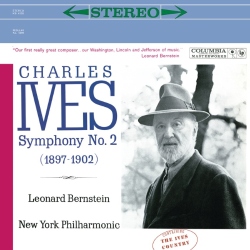
Symphony No. 2, for orchestra, S. 2
Released Album
Recent Album
-
-
-
-
 Amanda DrinkwaterSeptember 11, 2015
 -
-
-
-
-
-
-
-
Featured Album
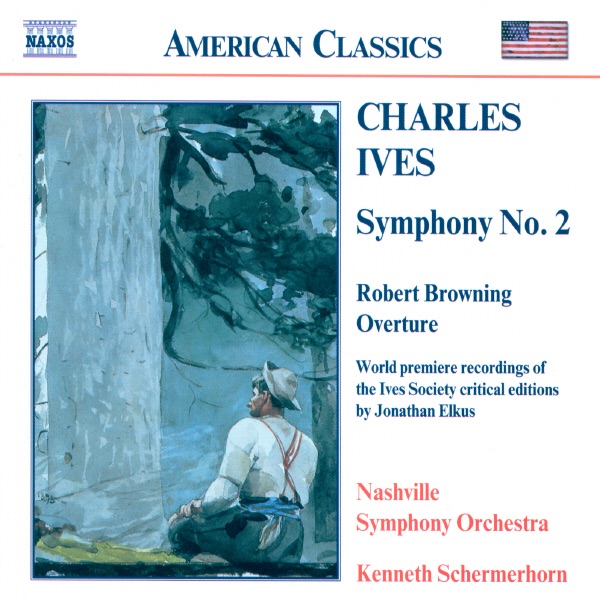
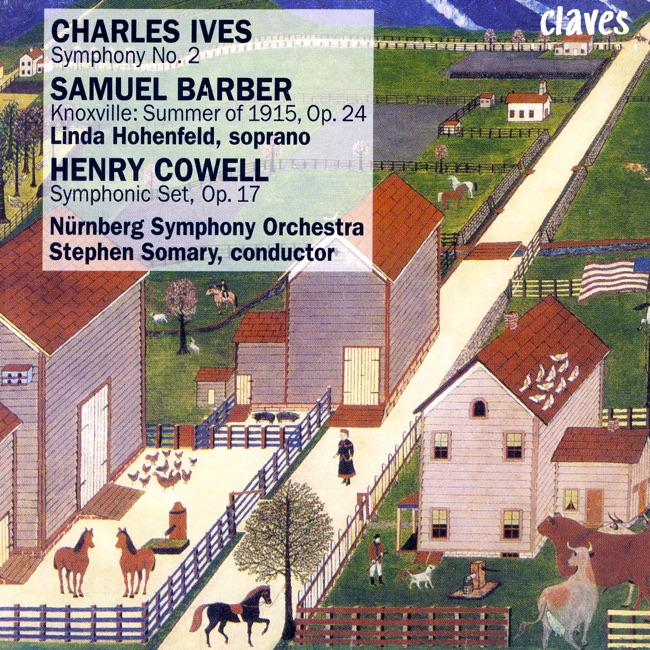
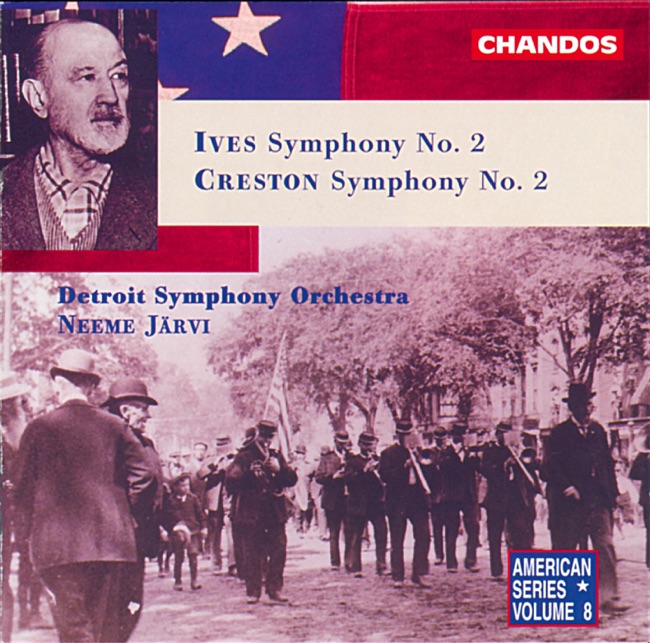
Works Info
Composer:Charles IvesGenre:SymphonyStyle:SymphonyCompose Date:1900 - 1902Publication Date:1951First Performance:Feb 22, 1951Average_duration:39:42Movement_count:5Movement ....Symphony No. 2, for orchestra, S. 2, is a four-movement symphony composed by Charles Ives. The symphony was composed between 1897 and 1902, and it premiered on April 5, 1951, by the New York Philharmonic under the direction of Leonard Bernstein. The first movement, titled "Prelude: Allegro," is characterized by its use of polytonality and dissonance. The movement begins with a fanfare-like motif in the brass section, which is then developed throughout the movement. The use of multiple keys and tonalities creates a sense of tension and instability, which is resolved in the final section of the movement. The second movement, titled "Allegro," is a scherzo that features a lively and playful melody in the strings. The movement is characterized by its use of syncopation and irregular rhythms, which create a sense of unpredictability and excitement. The movement also features a section in which the orchestra imitates the sound of a marching band. The third movement, titled "Adagio," is a slow and contemplative movement that features a lyrical melody in the strings. The movement is characterized by its use of chromaticism and dissonance, which create a sense of melancholy and introspection. The movement also features a section in which the orchestra imitates the sound of a hymn. The fourth and final movement, titled "Finale: Very slowly - Allegro," is a complex and ambitious movement that features a wide range of musical styles and techniques. The movement begins with a slow and somber section that features a solo trumpet, which is then followed by a lively and energetic section that features a fugue-like structure. The movement also features a section in which the orchestra imitates the sound of a brass band, as well as a section in which the orchestra imitates the sound of a church organ. Overall, Symphony No. 2, for orchestra, S. 2, is a groundbreaking work that showcases Charles Ives' innovative approach to composition. The symphony is characterized by its use of polytonality, dissonance, and unconventional musical techniques, which create a sense of experimentation and unpredictability. Despite its challenging nature, Symphony No. 2 remains a beloved and influential work in the classical music canon.More....
Works Music
Released Music
Featured Music
4
Symphony No. 2, for orchestra, p. 2
2. Allegro - Meno allegro - Più animando - Tempo 1 - Più animanto - Più animando - Più mosso - Meno allegro - Più animando - Tempo 1 - Animando - Più allegro
11:24
5
Symphony No. 2, for orchestra, p. 2
3. Adagio cantabile - Animando - Andante - Allargando - Animando - Adagio cantabile
8:7
7
Symphony No. 2, for orchestra, p. 2
5. Allegro molto vivace - Meno allegro - Allegro molto vivace - Meno allegro - Gradually faster
10:6
Recommend Playlist