


Claudio Monteverdi
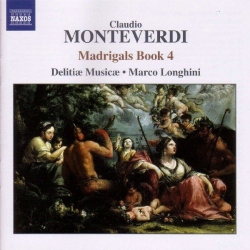
Madrigals, Book 4, for 5 voices, SV 75-93
Released Album
Recent Album
-
-
-
-

-
-
-
-
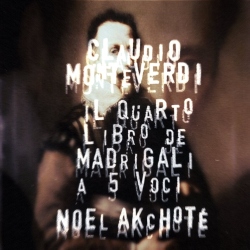
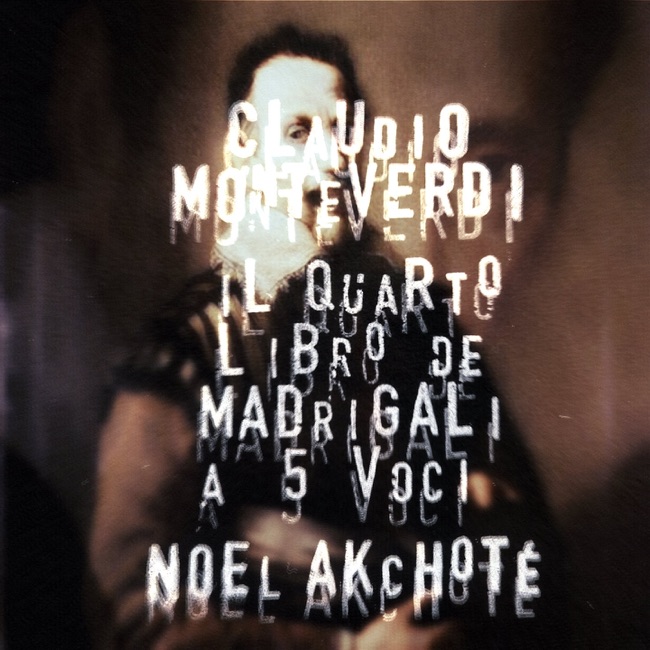 Noël AkchotéNovember 10, 2014
 -
-
-
-
Featured Album
Works Info
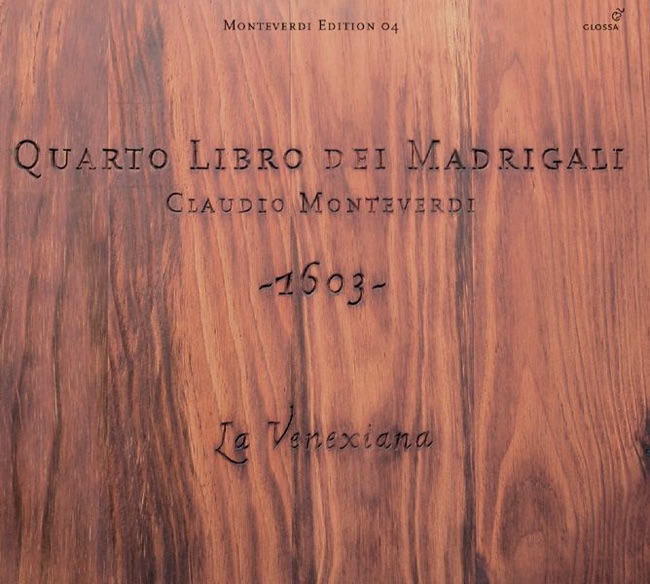
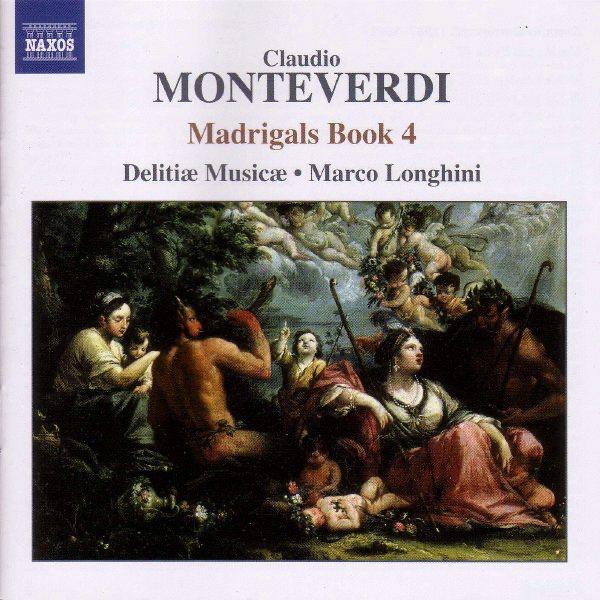
Composer:Claudio MonteverdiGenre:ChoralStyle:MadrigalCompose Date:1603Average_duration:62:24Movement_count:20Movement ....Claudio Monteverdi's Madrigals, Book 4, for 5 voices, SV 75-93, was composed in 1603 and premiered in Venice the same year. The book consists of 20 madrigals, each with its own unique characteristics and musical style. The first madrigal, "Non havea Febo ancora," is a lively and rhythmic piece that showcases Monteverdi's skill in creating complex polyphonic textures. The second, "Dolcissimo usignolo," is a more lyrical and expressive piece, featuring a solo soprano voice accompanied by the other four voices. The third madrigal, "Quel augellin che canta," is a playful and light-hearted piece that features a dialogue between the voices, imitating the sound of a bird singing. The fourth, "Ah, dolente partita," is a mournful and melancholic piece that explores themes of loss and separation. The fifth madrigal, "O come sei gentile," is a joyful and celebratory piece that features a lively dance-like rhythm. The sixth, "Sfogava con le stelle," is a more introspective and contemplative piece, featuring a solo tenor voice accompanied by the other four voices. The seventh madrigal, "O sia tranquillo il mare," is a serene and peaceful piece that features a gentle and flowing melody. The eighth, "Ardo, avvampo, mi struggo," is a passionate and intense piece that explores themes of love and desire. The ninth madrigal, "Ecco mormorar l'onde," is a lively and energetic piece that features a fast-paced and intricate polyphonic texture. The tenth, "O primavera, gioventù dell'anno," is a celebratory and joyful piece that celebrates the arrival of spring. The eleventh madrigal, "Sì ch'io vorrei morire," is a melancholic and introspective piece that explores themes of unrequited love. The twelfth, "Se tu mi lasci, perfida, tuo danno," is a more upbeat and lively piece that features a playful and rhythmic melody. The thirteenth madrigal, "Ecco Silvio, colei ch'io tanto amai," is a mournful and melancholic piece that explores themes of lost love. The fourteenth, "Quel augellin che si soave piagne," is a more introspective and contemplative piece, featuring a solo soprano voice accompanied by the other four voices. The fifteenth madrigal, "Hor che'l ciel e la terra," is a lively and energetic piece that features a fast-paced and intricate polyphonic texture. The sixteenth, "O sia tranquillo il mare," is a serene and peaceful piece that features a gentle and flowing melody. The seventeenth madrigal, "Zefiro torna e di soavi accenti," is a celebratory and joyful piece that celebrates the arrival of spring. The eighteenth, "O come sei gentile," is a joyful and celebratory piece that features a lively dance-like rhythm. The nineteenth madrigal, "Ardo, avvampo, mi struggo," is a passionate and intense piece that explores themes of love and desire. The final madrigal, "Non partir, ritrosetta," is a playful and light-hearted piece that features a dialogue between the voices, imitating the sound of a bird singing. Overall, Monteverdi's Madrigals, Book 4, for 5 voices, SV 75-93, is a diverse and varied collection of madrigals that showcase his skill in creating complex polyphonic textures and exploring a wide range of musical styles and themes.More....
Works Music
Released Music


Featured Music
Recommend Playlist



Main Perform Artists