Franz Joseph Haydn
String Quartet No. 26 in G minor, Op. 20/3, H. 3/33
Released Album
Recent Album
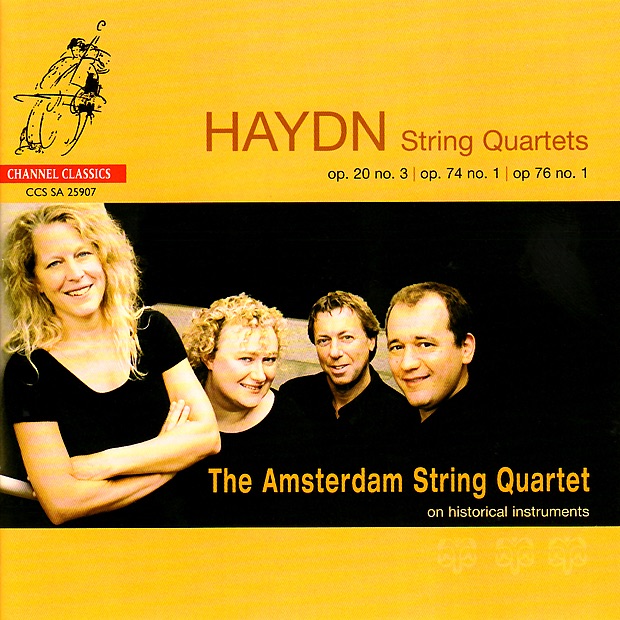
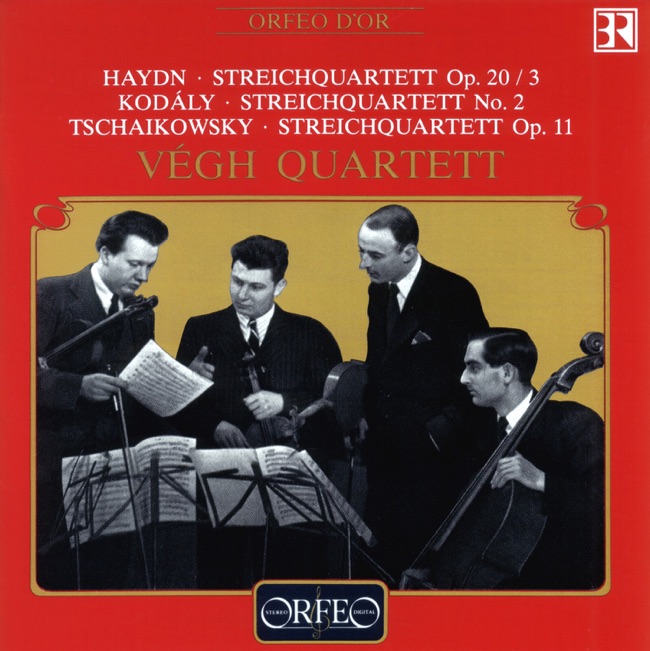
Featured Album
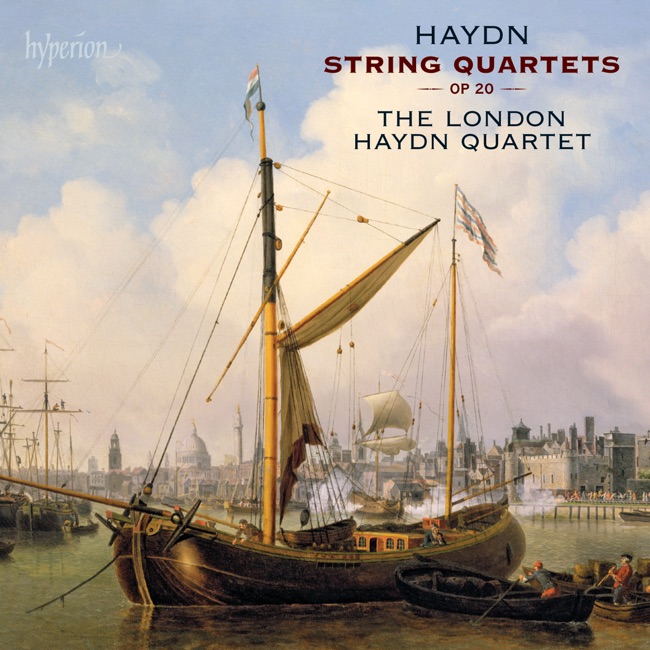
Works Info
Composer:Franz Joseph HaydnGenre:ChamberStyle:QuartetCompose Date:1772Average_duration:23:27Movement_count:4Movement ....Franz Joseph Haydn's String Quartet No. 26 in G minor, Op. 20/3, H. 3/33, is a four-movement work composed in 1772. It was premiered in Vienna, Austria, in the same year. The quartet is part of a set of six quartets, Op. 20, which are considered to be some of Haydn's most important works in the genre. The first movement, marked Allegro con spirito, is in sonata form and begins with a dramatic and intense theme in the minor key. The second theme, in the relative major, provides a contrast to the opening theme. The development section explores the themes in various keys before returning to the recapitulation, which restates the themes in their original keys. The second movement, marked Minuetto, is a dance-like movement in triple meter. The trio section features a contrasting melody in the major key. The third movement, marked Poco adagio, is a lyrical and expressive slow movement. The cello takes the lead in the opening theme, which is then passed to the other instruments. The final movement, marked Allegro molto, is a lively and energetic rondo. The main theme is a catchy and memorable melody that is repeated throughout the movement. The contrasting episodes provide a variety of textures and moods before returning to the main theme. Overall, the String Quartet No. 26 in G minor is a masterful work that showcases Haydn's skill in writing for the string quartet. The quartet is characterized by its dramatic and intense opening movement, lyrical slow movement, and lively and energetic finale. It is a testament to Haydn's ability to create works that are both technically challenging and musically satisfying.More....
Works Music
Released Music
4
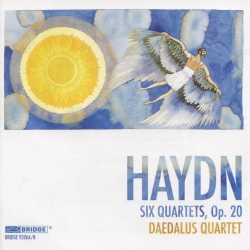
9:57
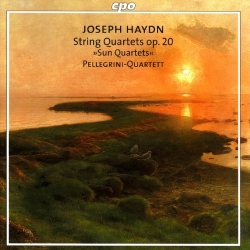
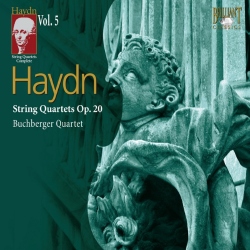
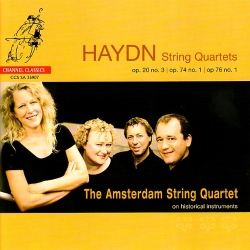
Featured Music
3
7:36
4
5:19