


Franz Tunder
Released Album
Keyboard
-
 January 3, 2025
 -
 October 8, 2021
 -
 July 9, 2021
 -
-
-
 May 27, 2016
Choral
-
 March 11, 2022
 -
 March 10, 2015
 -
 September 7, 2010
 -
 March 26, 2009
 -
 July 10, 2007
 -
 October 19, 2005
Vocal
-
 October 19, 2018
 -
-
 July 24, 2015
 -
 August 28, 2012
 -
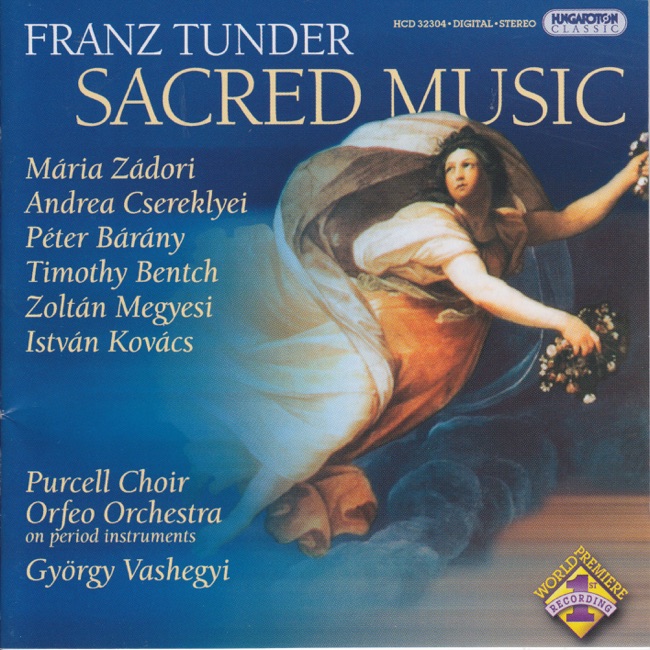 September 30, 2004
 -
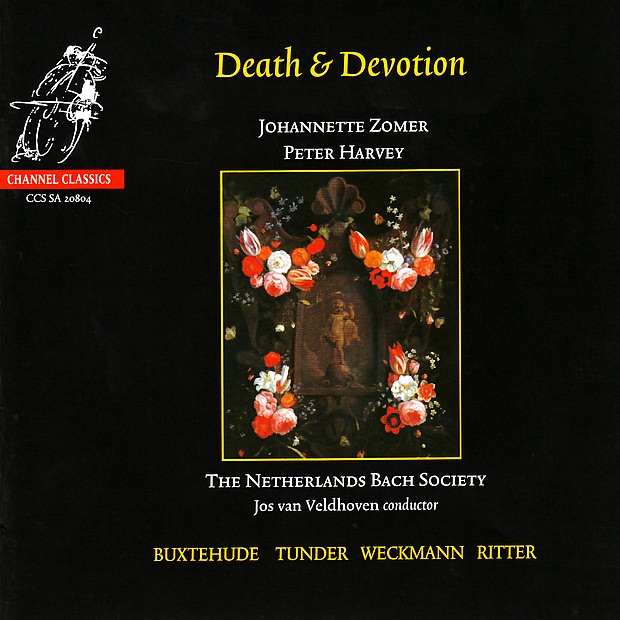 January 1, 2004
Artist Info
Role:ComposerCountry: GermanyBirth:1614 in Lübeck, GermanyDeath:November 5, 1667 in Lübeck, GermanyPeriod:BaroqueGenre:ChoralKeyboardFranz Tunder was a German composer and organist who lived during the 17th century. He was born in Lübeck, Germany, in 1614, and was the son of a shoemaker. Tunder showed an early interest in music and began his musical education at a young age. He studied with the organist Heinrich Scheidemann in Hamburg and later with the composer and organist Johann Jakob Froberger in Vienna. In 1641, Tunder was appointed as the organist at the Marienkirche in Lübeck, where he remained for the rest of his life. During his time at the Marienkirche, Tunder became known for his innovative and expressive organ music. He also composed a number of vocal works, including cantatas and sacred music. One of Tunder's most famous works is his setting of the text "Ein feste Burg ist unser Gott" (A Mighty Fortress Is Our God), which is based on a hymn by Martin Luther. Tunder's setting of the hymn is notable for its use of chromaticism and dissonance, which were unusual for the time. The work is also notable for its use of a solo voice, which was a departure from the traditional choral style of the time. Tunder's other vocal works include a number of cantatas, which were performed during the church services at the Marienkirche. These cantatas were typically composed for solo voice and continuo, and were often based on biblical texts. Tunder's cantatas are notable for their expressive melodies and use of chromaticism. In addition to his vocal works, Tunder also composed a number of instrumental works for the organ. These works include preludes, fugues, and toccatas, which were often performed during the church services at the Marienkirche. Tunder's organ music is notable for its use of chromaticism and dissonance, which were unusual for the time. Tunder's influence on music was significant, particularly in the development of the North German organ school. His use of chromaticism and dissonance was a departure from the traditional style of the time, and his innovative approach to composition paved the way for future composers. Tunder died in Lübeck in 1667, at the age of 53. Despite his relatively short life, Tunder's contributions to music were significant, and his legacy continues to be felt today.More....
Recent Artist Music
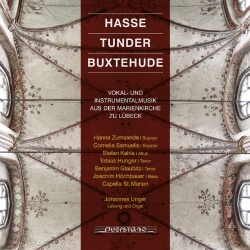
7
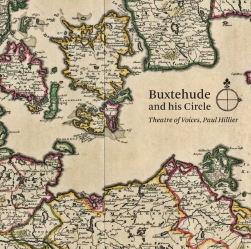
Dominus illuminati mea
Dominus illuminatio mea for 2 sopranos, mezzo, tenor, bass, 2 violins, cello and organ
9:4
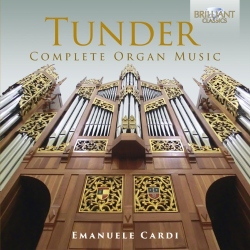
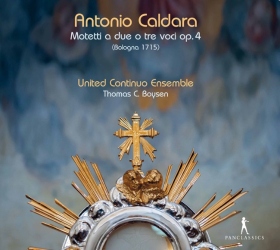
10
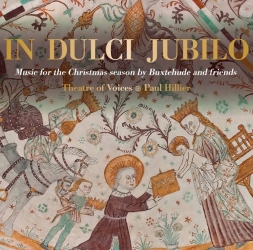
4:8
11
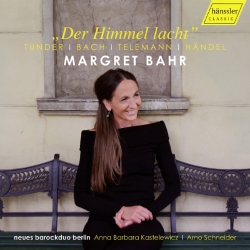
Oh Lord, leave your dear little angels alone
Ach Herr, lass deine lieben Engelein für Sopran, Violine und Orgel
6:41

Copyright Ⓒ 2013 Davinci Finger. All rights reseved
Service Terms & Policy