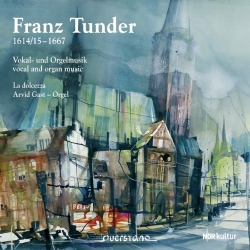
Franz Tunder
Wachet auf, ruft uns die Stimme
Released Album
Recent Album
Featured Album
Works Info
Composer:Franz TunderGenre:ChoralStyle:CantataAverage_duration:4:54'Wachet auf, ruft uns die Stimme' is a sacred cantata composed by Franz Tunder, a German-Danish composer and organist, in the mid-17th century. The cantata is based on a hymn by Philipp Nicolai and is considered one of Tunder's most significant works. The cantata was composed in 1641 and premiered in the same year at the Marienkirche in Lübeck, where Tunder served as the organist. The cantata consists of seven movements, including an instrumental prelude, four vocal movements, and two instrumental interludes. The first movement is an instrumental prelude, which sets the tone for the cantata with its lively and joyful melody. The second movement is a chorale, in which the choir sings the hymn 'Wachet auf, ruft uns die Stimme' in unison. The third movement is a duet for two sopranos, which expresses the longing for the arrival of the bridegroom, who is a metaphor for Christ. The fourth movement is a trio for alto, tenor, and bass, which describes the joy and celebration that will accompany the arrival of the bridegroom. The fifth movement is an instrumental interlude, which features a virtuosic organ solo. The sixth movement is a chorale, in which the choir sings the hymn again, this time in four-part harmony. The final movement is an instrumental interlude, which brings the cantata to a close with a joyful and triumphant melody. The cantata is characterized by its use of polyphony, which creates a rich and complex texture, and its use of chromaticism, which adds a sense of tension and drama to the music. Overall, 'Wachet auf, ruft uns die Stimme' is a masterpiece of Baroque sacred music, which showcases Tunder's skill as a composer and organist. Its joyful and celebratory tone makes it a popular choice for performances during the Advent season.More....
Works Music
Released Music
Featured Music