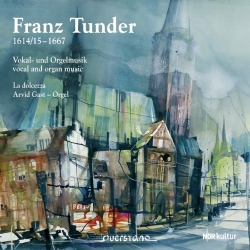
Franz Tunder
Praeludium for organ in G (Dorian) (i)
Released Album
Recent Album
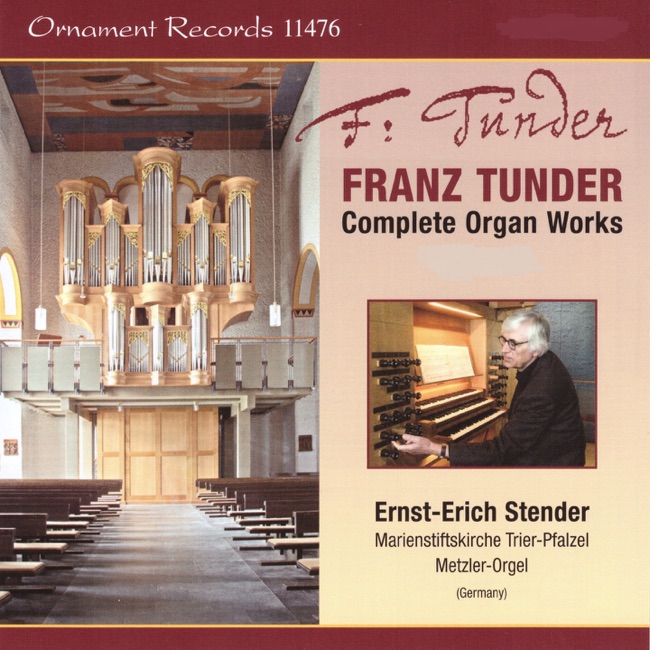
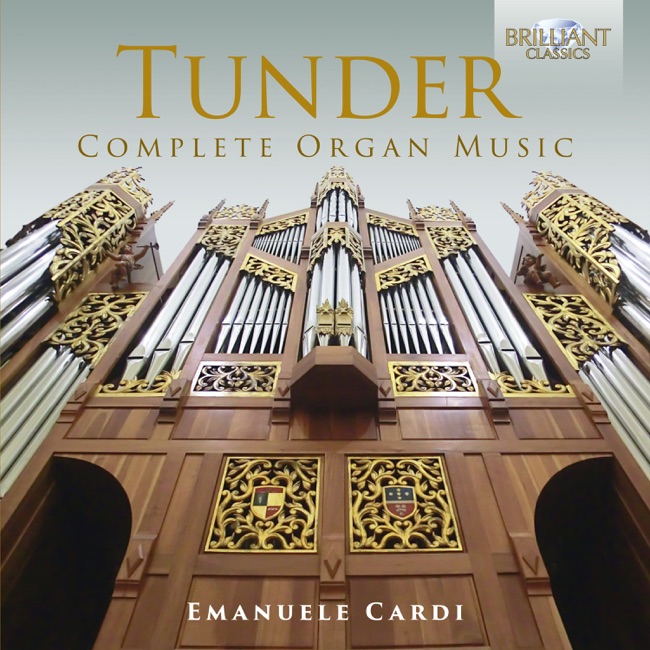

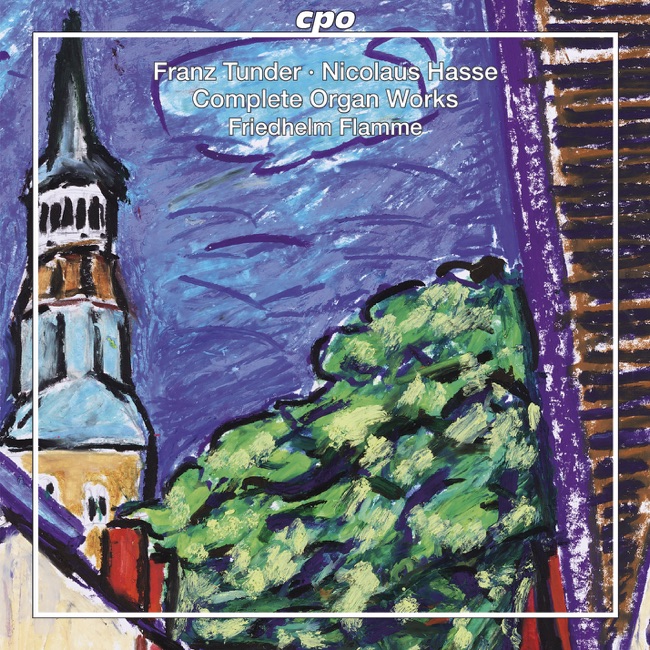
Featured Album
Works Info
Composer:Franz TunderGenre:KeyboardStyle:KeyboardAverage_duration:4:30Franz Tunder was a German composer and organist who lived from 1614 to 1667. He was born in Lübeck, Germany, and spent most of his life there. Tunder was a prominent figure in the North German school of organ music, which was known for its complex polyphony and virtuosic improvisation. One of Tunder's most famous works is his "Praeludium for organ in G (Dorian) (i)." This piece was composed in the mid-17th century and is considered a masterpiece of the North German organ tradition. The "Praeludium for organ in G (Dorian) (i)" is a single-movement work that is characterized by its intricate counterpoint and virtuosic organ writing. The piece begins with a slow, stately introduction that sets the mood for the rest of the work. This is followed by a series of fast, complex passages that showcase Tunder's skill as an organist and composer. The piece is written in the Dorian mode, which gives it a dark and somber quality. This is further emphasized by the use of chromaticism and dissonance throughout the work. Tunder also employs a variety of textures and timbres, including solo passages, duets, and full organ chords. The "Praeludium for organ in G (Dorian) (i)" premiered in Lübeck, Germany, where Tunder was the organist at the Marienkirche. It was likely performed during a church service or as part of a concert. The piece was well-received by audiences and quickly became a staple of the North German organ repertoire. Overall, Tunder's "Praeludium for organ in G (Dorian) (i)" is a masterful example of the North German organ tradition. Its intricate counterpoint, virtuosic organ writing, and somber mood make it a powerful and memorable work that continues to be performed and admired today.More....
Works Music
Released Music
Featured Music