


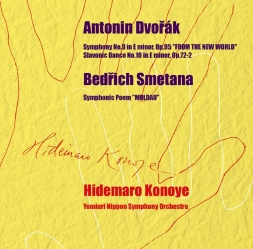
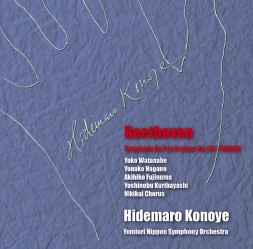
Hidemaro Konoye
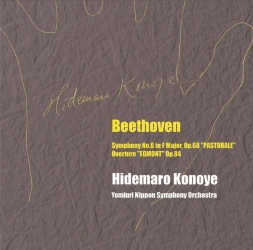
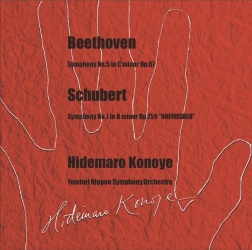
Released Album
Symphony
-
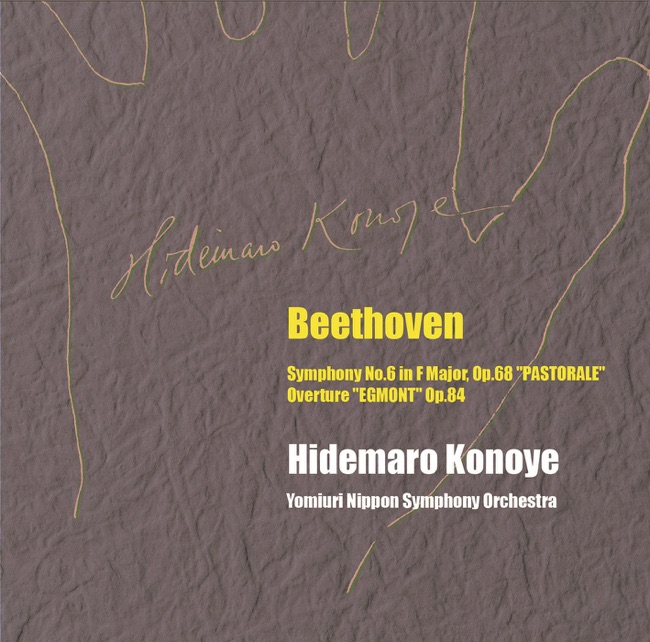
-
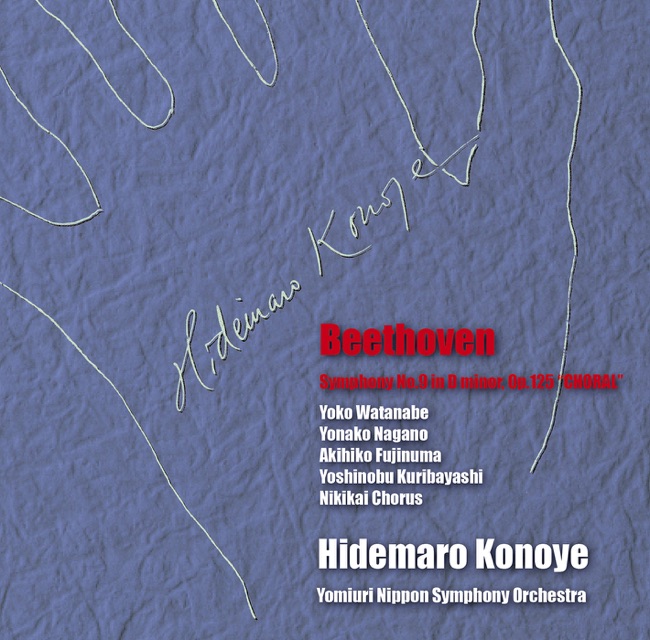 April 1, 2016
 -
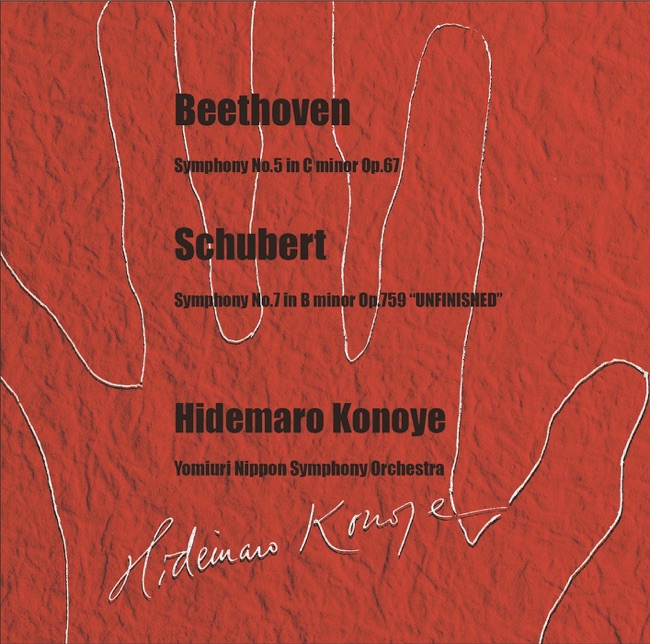
-
 April 1, 2016
Orchestral
-
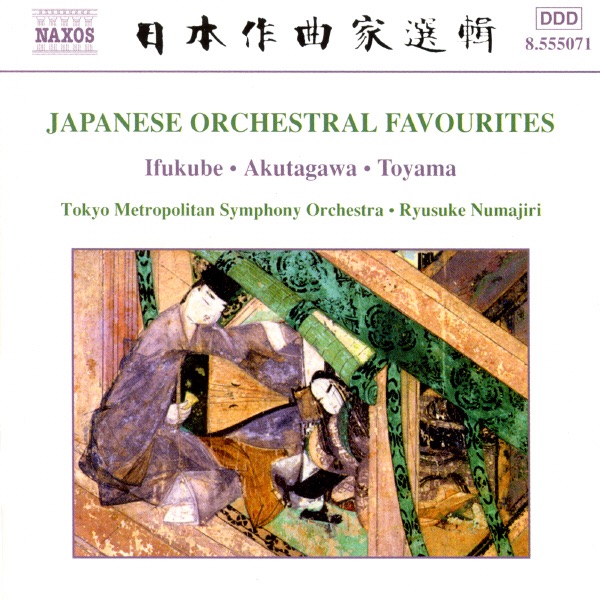 May 21, 2002
 -
 December 21, 1994
Vocal
-
 October 14, 2016
 -
 August 2, 1994
 -
 July 11, 1989
Opera
-
 October 5, 2018
Artist Info
Role:Composer ConductorBirth:1898Death:1973Period:ModernGenre:OrchestralVocalHidemaro Konoye was a Japanese composer who lived from 1898 to 1973. He was born in Tokyo, Japan, and showed an early interest in music. His father was a diplomat, and Konoye spent much of his childhood traveling with his family to various countries. This exposure to different cultures and musical traditions would later influence his compositions. Konoye began his formal music education at the Tokyo Music School, where he studied composition with Kosaku Yamada. He later studied in France with Nadia Boulanger, a renowned composition teacher who had taught many famous composers, including Aaron Copland and Philip Glass. Konoye also studied with Paul Dukas, a French composer best known for his orchestral work "The Sorcerer's Apprentice." Konoye's early compositions were influenced by Western classical music, but he also incorporated elements of Japanese traditional music into his works. His first major composition, "Japanese Rhapsody," was premiered in 1927 and was well-received by audiences and critics alike. The piece features a blend of Western and Japanese musical elements, including pentatonic scales and traditional Japanese instruments such as the koto and shakuhachi. In the 1930s, Konoye became interested in electronic music and began experimenting with new technologies. He built his own electronic instruments and created works that incorporated electronic sounds alongside traditional instruments. One of his most famous electronic works is "Electronic Symphony No. 1," which was premiered in 1935 and featured a combination of electronic and acoustic sounds. During World War II, Konoye's music was censored by the Japanese government, which was promoting a nationalist agenda. Konoye was forced to compose music that supported the government's propaganda efforts, but he also continued to create works that expressed his own artistic vision. After the war, Konoye's music became more experimental and avant-garde, reflecting his interest in new technologies and his desire to break free from traditional musical forms. One of Konoye's most famous works from this period is "Symphony for Electronic Instruments," which was premiered in 1953. The piece features a combination of electronic sounds and traditional instruments, and is considered one of the first works of electronic music in Japan. Konoye continued to experiment with electronic music throughout the 1950s and 1960s, creating works that incorporated tape loops, synthesizers, and other new technologies. In addition to his work as a composer, Konoye was also a respected music educator. He taught at several universities in Japan, including the Tokyo National University of Fine Arts and Music, and was known for his innovative teaching methods. He encouraged his students to experiment with new technologies and to explore different musical traditions, and many of his students went on to become successful composers and performers in their own right. Konoye's legacy as a composer and educator continues to be celebrated in Japan and around the world. His innovative use of electronic music and his incorporation of Japanese traditional music into his works have influenced generations of composers and performers. Today, his music is still performed and recorded by orchestras and ensembles around the world, and his contributions to the development of electronic music continue to be recognized as groundbreaking.More....
Recent Artist Music
7
4:28

Copyright Ⓒ 2013 Davinci Finger. All rights reseved
Service Terms & Policy