


Per Nørgård
Released Album
Chamber
-
 January 8, 2021
 -
 November 10, 2017
 -
 June 21, 2017
 -
 March 3, 2017
 -
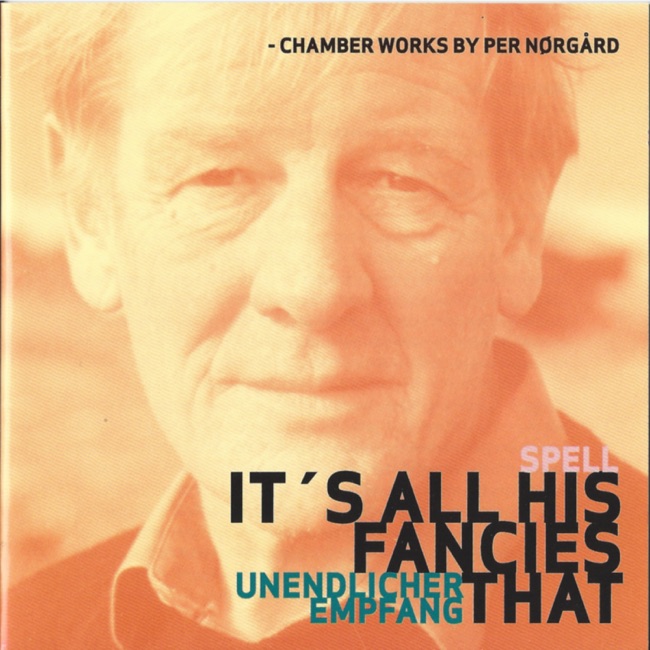 February 12, 2014
 -
 November 25, 2013
Choral
-
-
 January 6, 2017
 -
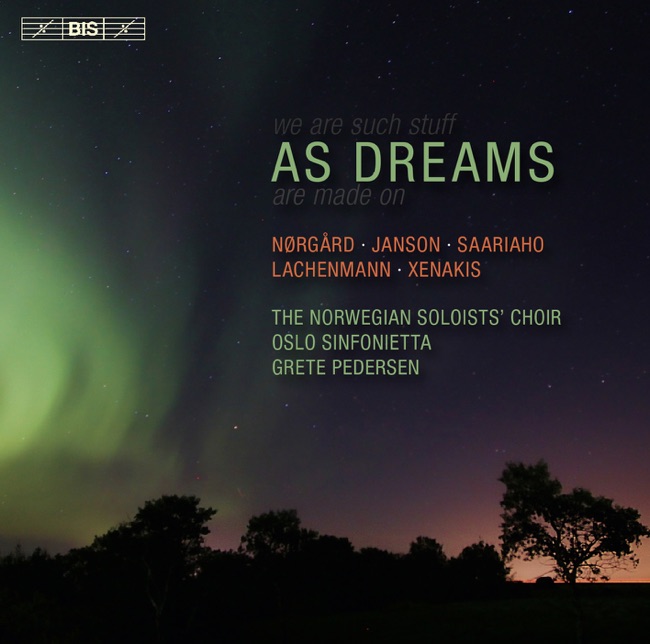 October 14, 2016
 -
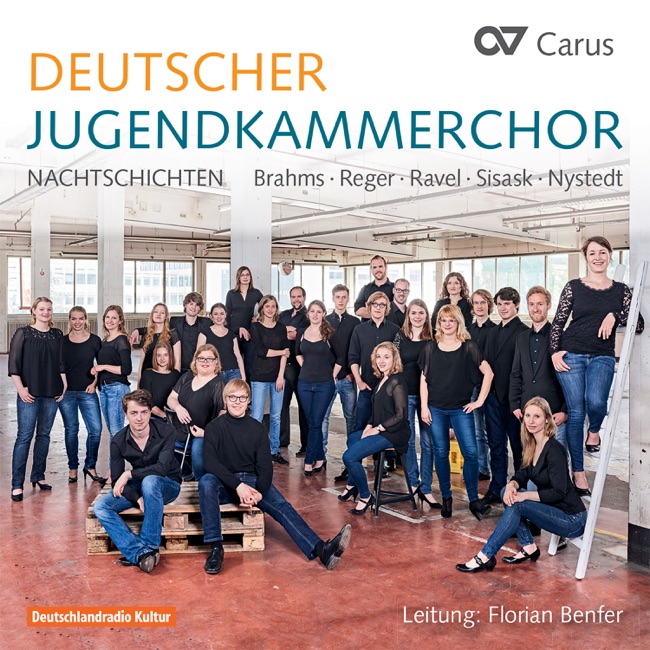 October 1, 2016
 -
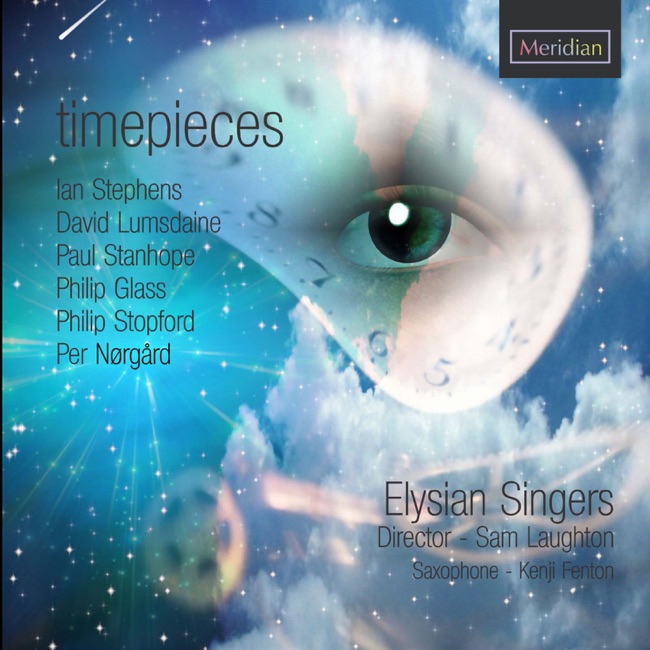 July 10, 2015
 -
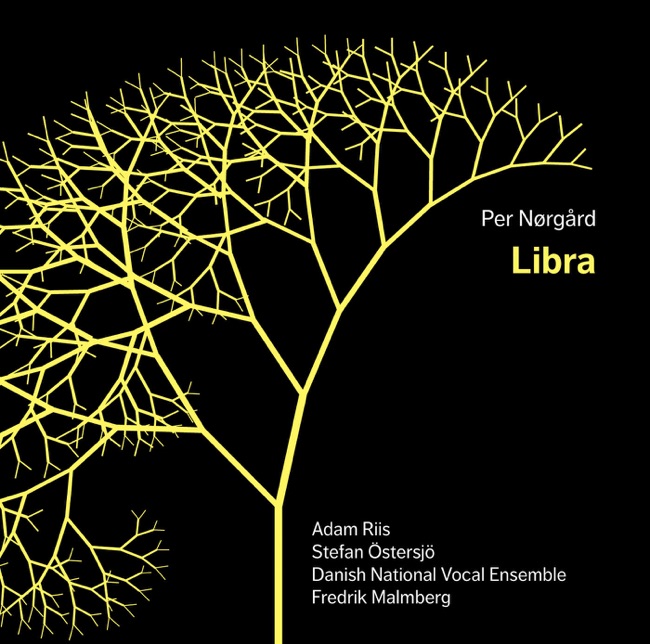 September 3, 2012
Keyboard
-
 November 3, 2017
 -
-
 December 9, 2013
 -
 October 26, 2010
 -
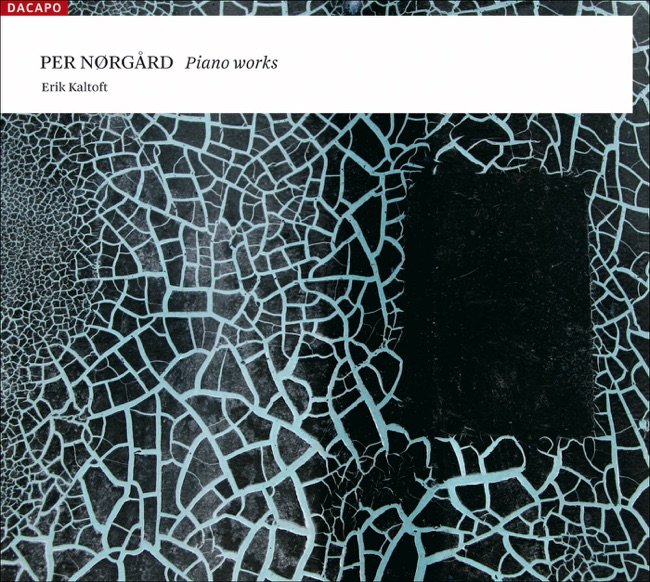 October 1, 2009
 -
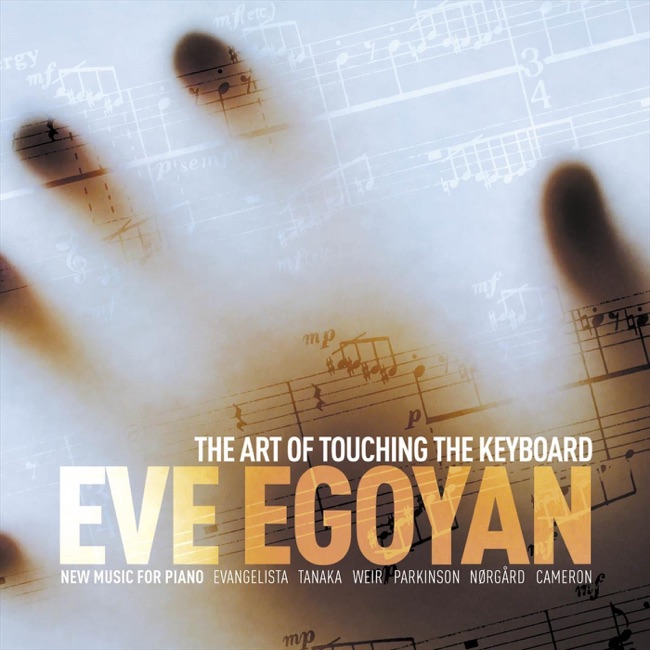 March 26, 2004
Vocal
-
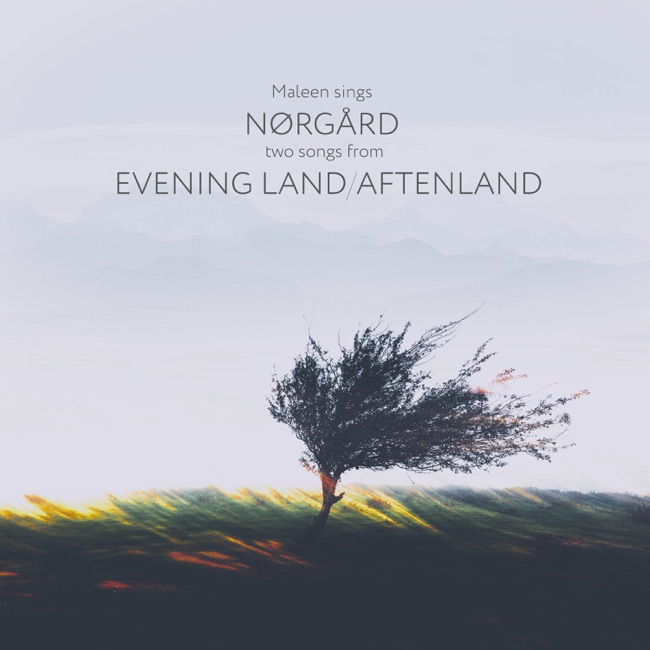 October 7, 2022
 -
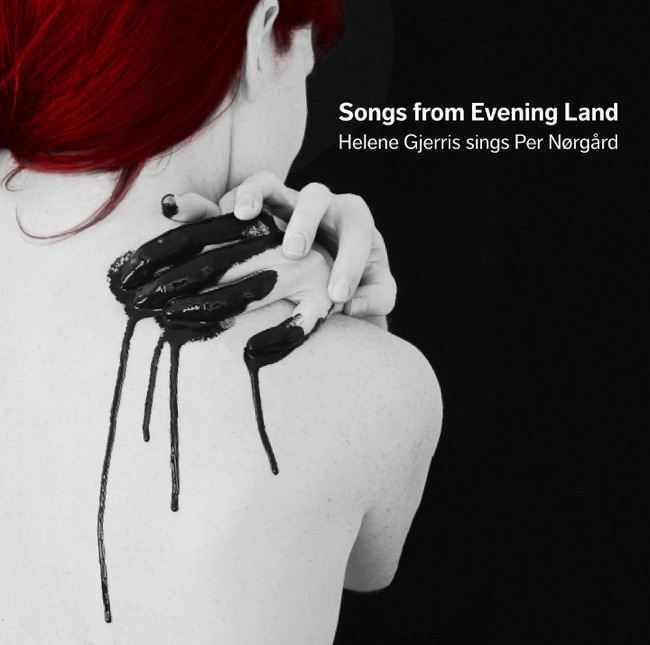 January 29, 2013
 -
-
 August 10, 2010
 -
 March 2, 2009
 -
 January 18, 2006
Artist Info
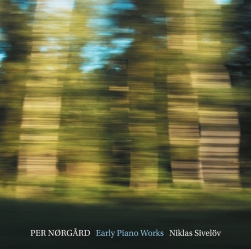
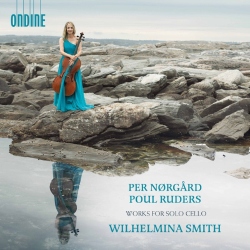
Role:ComposerCountry: DenmarkBirth:July 13, 1932 in Gentofte, DenmarkPeriod:ContemporaryGenre:ChamberChoralPer Nørgård is a Danish composer who was born on July 13, 1932, in Gentofte, Denmark. He is considered one of the most important composers of the 20th century, and his works have been performed by some of the world's leading orchestras and ensembles. Nørgård grew up in a musical family, and his father was a composer and musicologist. He began playing the piano at a young age and later studied composition at the Royal Danish Academy of Music in Copenhagen. He also studied with the renowned composer Vagn Holmboe, who had a significant influence on his musical style. Nørgård's early works were influenced by the serialism of the mid-20th century, but he soon began to develop his own unique style. He was particularly interested in the concept of "infinity series," which involves the use of a series of notes that can be expanded infinitely. This concept can be heard in many of his works, including his Symphony No. 3, which is based on an infinity series. One of Nørgård's most significant works is his Symphony No. 1, which he composed in 1953-1954. The piece is notable for its use of a "metamorphosis technique," in which musical themes are transformed and developed throughout the work. The symphony was well-received and helped establish Nørgård as a leading composer in Denmark. In the 1960s, Nørgård began to experiment with new forms and techniques, including aleatoric music and microtonality. His Symphony No. 2, which he composed in 1966-1967, is a prime example of his use of microtonality. The work features a 144-note scale, which allows for a much greater range of pitches than the traditional 12-note scale. Nørgård's interest in aleatoric music can be heard in his work "Voyage into the Golden Screen," which he composed in 1968. The piece is scored for a large ensemble and features a series of musical events that are determined by chance. The performers are given a set of instructions, but the exact outcome of the piece is left up to chance. In the 1970s, Nørgård began to incorporate elements of folk music into his compositions. His Symphony No. 3, which he composed in 1972-1975, is based on a Danish folk tune and features a series of variations on the theme. The work is also notable for its use of an infinity series, which allows for a greater sense of unity and coherence throughout the piece. Nørgård's interest in folk music continued in the 1980s, and he began to incorporate elements of world music into his compositions. His Symphony No. 4, which he composed in 1981-1982, features a series of musical themes that are inspired by music from around the world. The work is also notable for its use of a "spiral form," in which the musical themes are developed and transformed in a spiral pattern. In the 1990s, Nørgård continued to experiment with new forms and techniques. His Symphony No. 5, which he composed in 1990-1991, is based on a series of "infinity canons," in which a musical theme is repeated and transformed in a series of canons. The work is also notable for its use of a "mirror form," in which the second half of the piece is a mirror image of the first half. Nørgård's most recent works include his Symphony No. 8, which he composed in 2011-2012. The work is based on a series of "infinity mirrors," in which musical themes are repeated and transformed in a series of mirrors.More....
Recent Artist Music
Copyright Ⓒ 2013 Davinci Finger. All rights reseved
Service Terms & Policy