


Franco Capuana
Released Album
Opera
-
 February 19, 2022
 -
-
-
 June 9, 2017
 -
 June 3, 2016
 -
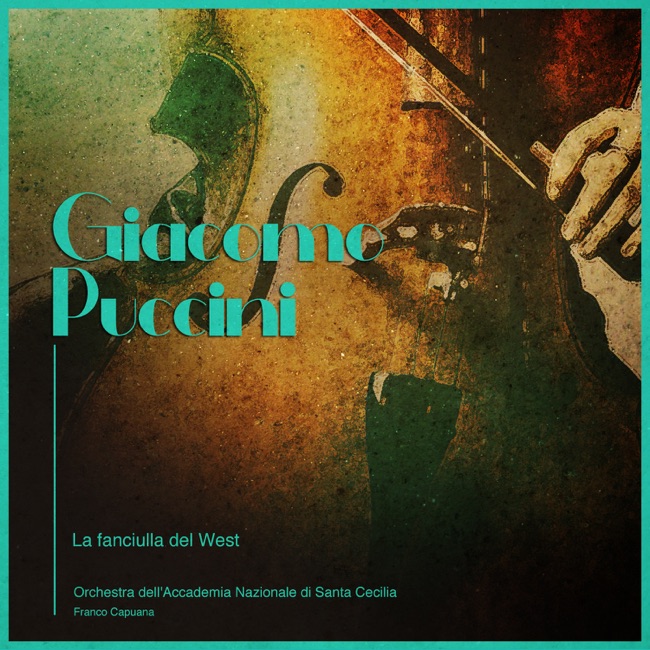 June 27, 2014
Concerto
-
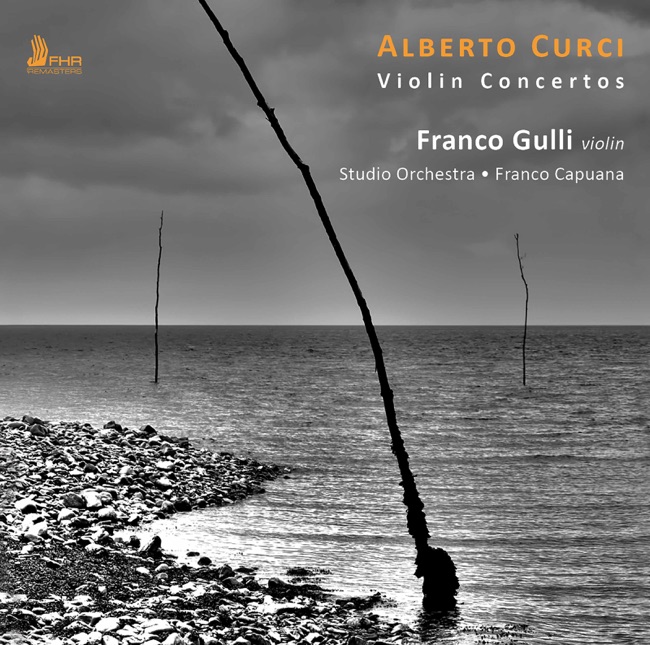 July 7, 2017
Artist Info
Role:Conductor PerformerGenre:OperaFranco Capuana was a renowned Italian conductor and composer who made significant contributions to the world of classical music. He was born on December 27, 1894, in Palermo, Italy, to a family of musicians. His father, Vincenzo Capuana, was a composer and conductor, and his mother, Maria Di Giorgio, was a pianist. Franco Capuana showed an early interest in music and began studying the piano at a young age. Capuana's musical education began at the Conservatory of Palermo, where he studied piano, composition, and conducting. He later continued his studies at the Conservatory of Naples, where he studied with the renowned composer and conductor, Giuseppe Martucci. Capuana's talent as a conductor was evident from an early age, and he quickly gained a reputation as one of the most promising young conductors in Italy. In 1919, Capuana made his debut as a conductor with the Orchestra Sinfonica di Roma. He quickly established himself as a leading conductor in Italy, and in 1924, he was appointed the principal conductor of the Orchestra Sinfonica di Milano. Capuana's tenure with the orchestra was highly successful, and he led the ensemble in numerous acclaimed performances of works by composers such as Beethoven, Brahms, and Tchaikovsky. Capuana's reputation as a conductor continued to grow, and in 1930, he was invited to conduct the Berlin Philharmonic Orchestra. This was a significant honor for Capuana, as the Berlin Philharmonic was one of the most prestigious orchestras in the world at the time. Capuana's performance with the orchestra was highly praised, and he was invited back to conduct the ensemble on several occasions. Throughout his career, Capuana was known for his passionate and expressive conducting style. He had a deep understanding of the music he conducted and was able to bring out the best in the musicians he worked with. Capuana was also a talented composer, and he wrote several works for orchestra, including a symphony and a piano concerto. Capuana's career was interrupted by World War II, and he spent several years in exile in Switzerland. However, he returned to Italy after the war and resumed his career as a conductor. In 1946, he was appointed the principal conductor of the Orchestra Sinfonica di Roma, a position he held until 1952. During his tenure with the orchestra, Capuana led the ensemble in numerous acclaimed performances and recordings. In addition to his work as a conductor and composer, Capuana was also a respected music educator. He taught conducting at the Accademia Nazionale di Santa Cecilia in Rome and was a mentor to many young conductors. Capuana's contributions to the world of classical music were recognized with numerous awards and honors. In 1954, he was awarded the Order of Merit of the Italian Republic, one of the highest honors that can be bestowed upon an Italian citizen. He was also awarded the Gold Medal of the Accademia Nazionale di Santa Cecilia in 1964. Capuana continued to conduct and compose music until his death on June 9, 1969, in Rome, Italy. He left behind a legacy as one of the most talented and influential conductors of his time, and his contributions to the world of classical music continue to be celebrated today.More....
Recent Artist Music

Recommend Playlist


Copyright Ⓒ 2013 Davinci Finger. All rights reseved
Service Terms & Policy