


Giovanni Pacini
Released Album
Opera
-
 June 10, 2016
 -
 September 2, 2014
 -
 January 25, 2011
 -
 August 11, 2009
 -
 March 10, 2009
 -
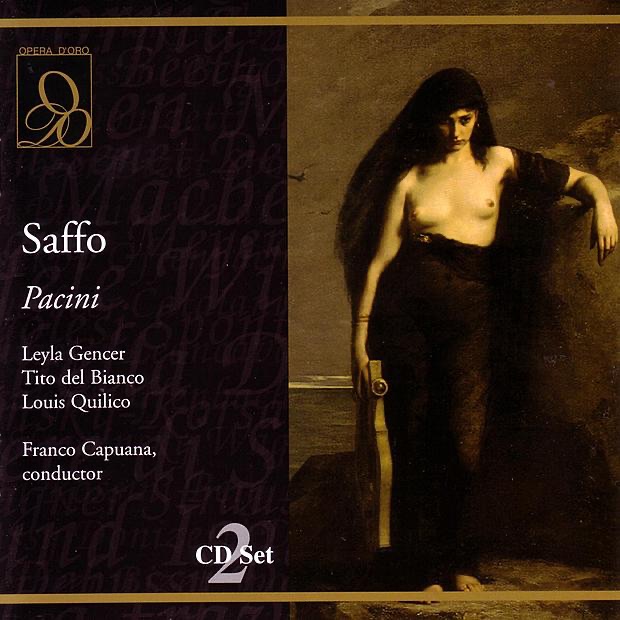 March 10, 2009
Vocal
-
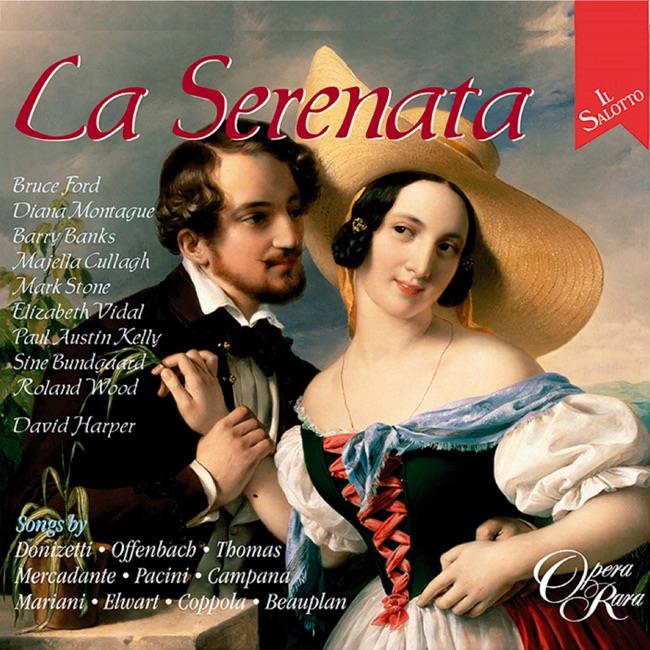 November 5, 2007
 -
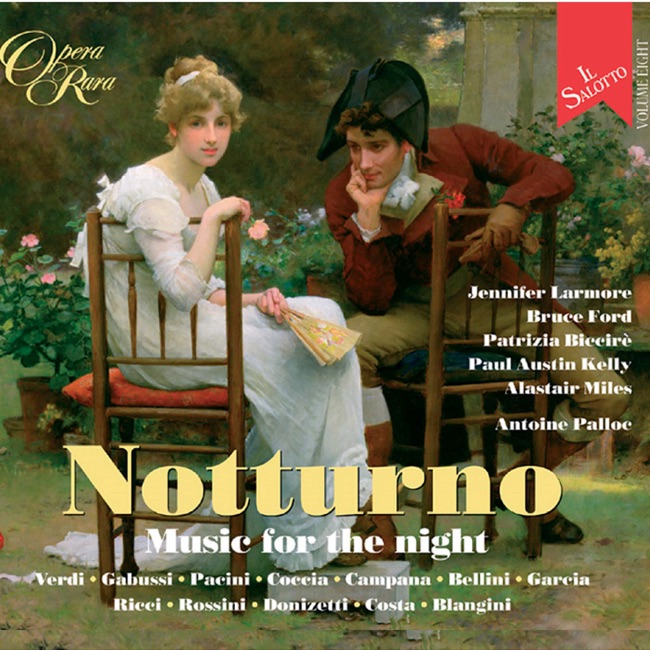 October 31, 2005
 -
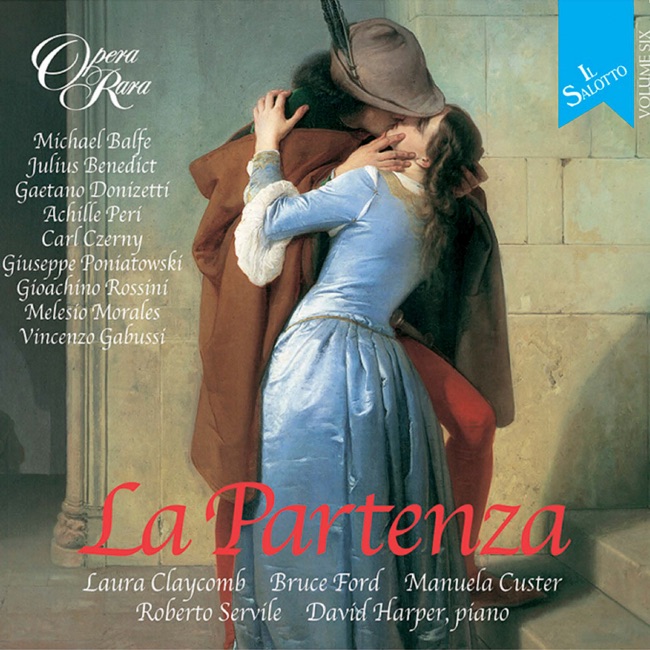 November 3, 2003
 -
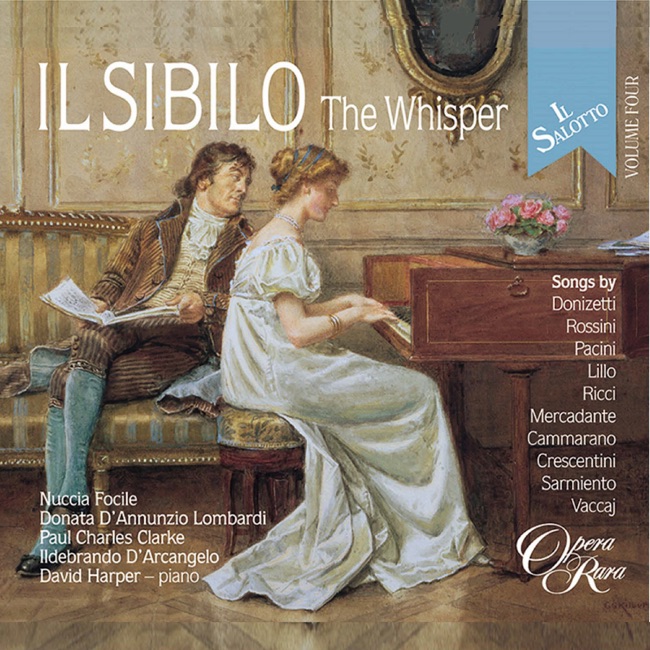 November 5, 2001
 -
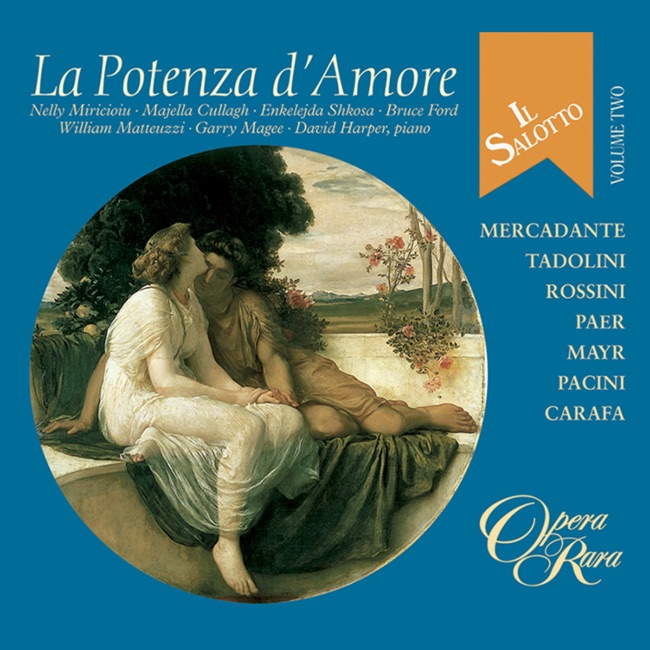 December 1, 1999
Choral
-
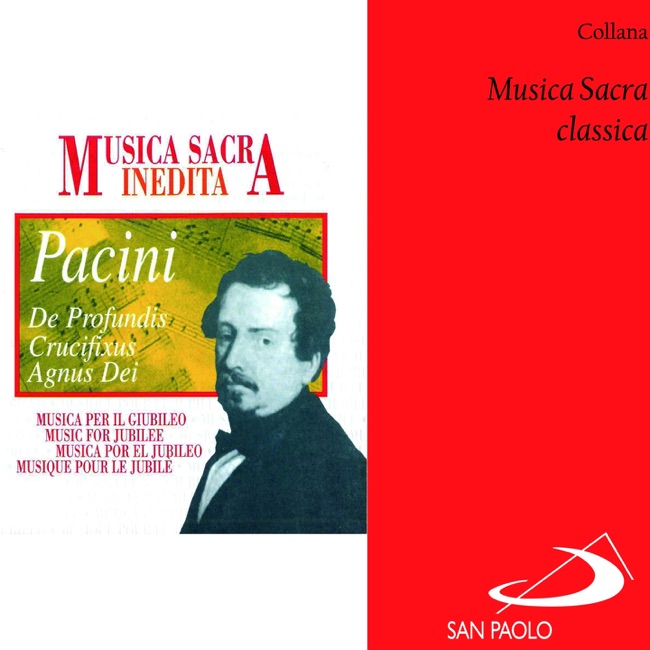 May 23, 2009
 -
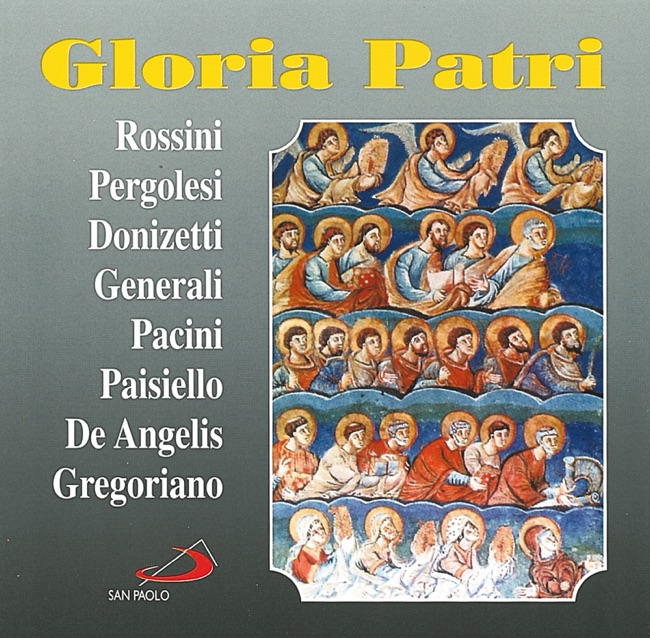 March 27, 2009
 -
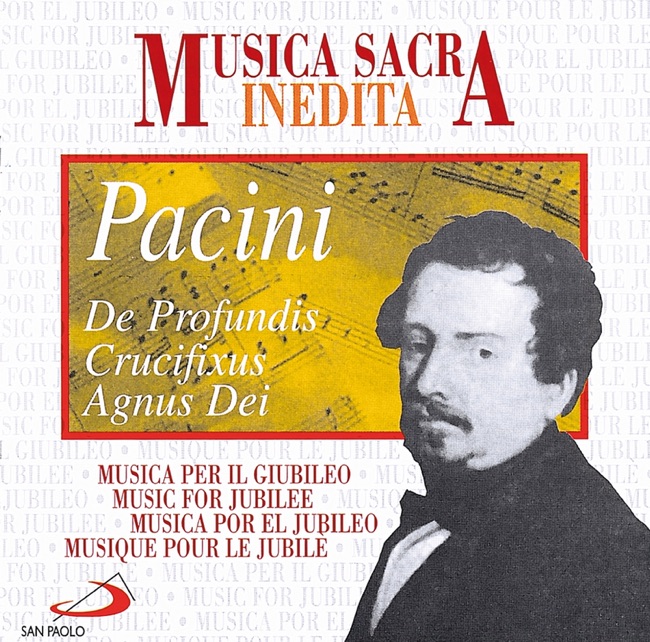 September 28, 2008
Miscellaneous
-
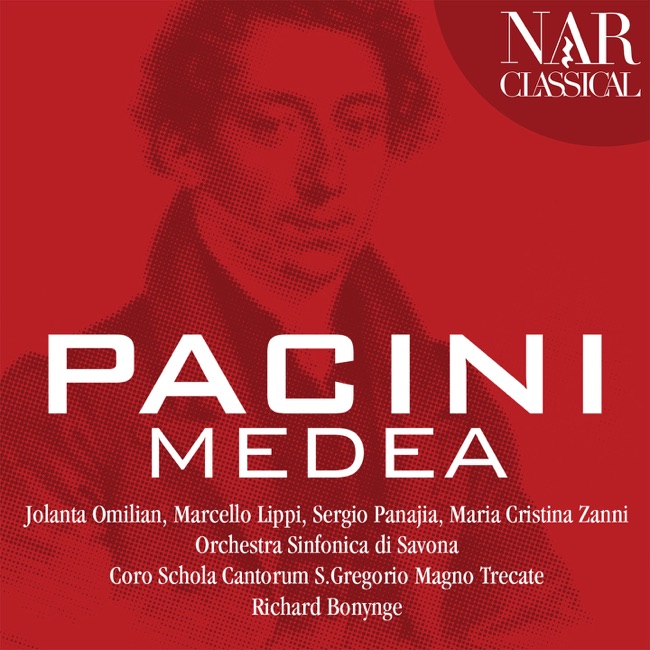 1993
1993
Artist Info
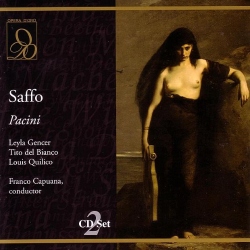
Role:ComposerCountry: ItalyBirth:February 17, 1796 in Catania, ItalyDeath:December 6, 1867Period:RomanticGenre:OperaVocalGiovanni Pacini was an Italian composer of the early 19th century, known for his contributions to the bel canto style of opera. Born on February 17, 1796, in Catania, Sicily, Pacini showed an early interest in music and began studying with local musicians at a young age. His father, a lawyer, initially discouraged his musical pursuits, but eventually relented and allowed him to pursue his passion. Pacini's early musical education was primarily focused on singing, and he quickly developed a reputation as a talented vocalist. He began performing in local operas and concerts, and by the age of 18, he had composed his first opera, "Annetta e Lucindo." The work was well-received, and Pacini soon began to attract the attention of prominent musicians and patrons. In 1813, Pacini moved to Naples, where he continued to study music and compose operas. He quickly established himself as a leading figure in the city's musical scene, and his works were performed regularly at the Teatro San Carlo and other prominent venues. In 1819, he achieved his first major success with the opera "L'ultimo giorno di Pompei," which was widely acclaimed for its innovative use of orchestration and vocal technique. Over the next several years, Pacini continued to compose operas at a prolific rate, often producing multiple works in a single season. His music was characterized by its lyrical melodies, virtuosic vocal writing, and dramatic intensity, and he became known as one of the leading exponents of the bel canto style. Some of his most famous works from this period include "Saffo," "Il Talismano," and "La Vestale." In 1831, Pacini was appointed as the director of the Teatro San Carlo, a position he held for several years. During this time, he continued to compose operas and oversee the production of other works at the theater. He also traveled extensively throughout Europe, conducting performances of his own works and collaborating with other musicians. Despite his success, Pacini's career was not without its challenges. He often clashed with other composers and musicians, and his works were sometimes criticized for being overly formulaic or lacking in originality. In addition, he struggled with financial difficulties throughout his life, and was forced to sell the rights to many of his works in order to make ends meet. Despite these challenges, Pacini remained a prolific and influential composer throughout his career. His works helped to define the bel canto style and paved the way for future generations of opera composers. Today, he is remembered as one of the most important figures in the history of Italian opera, and his music continues to be performed and studied by musicians and scholars around the world.More....
Recent Artist Music
Copyright Ⓒ 2013 Davinci Finger. All rights reseved
Service Terms & Policy