


Riccardo Zandonai
Released Album
Opera
-
 September 2, 2022
 -
 November 13, 2020
 -
 January 1, 2018
 -
 November 13, 2015
 -
 August 28, 2015
 -
 November 11, 2014
Chamber
-
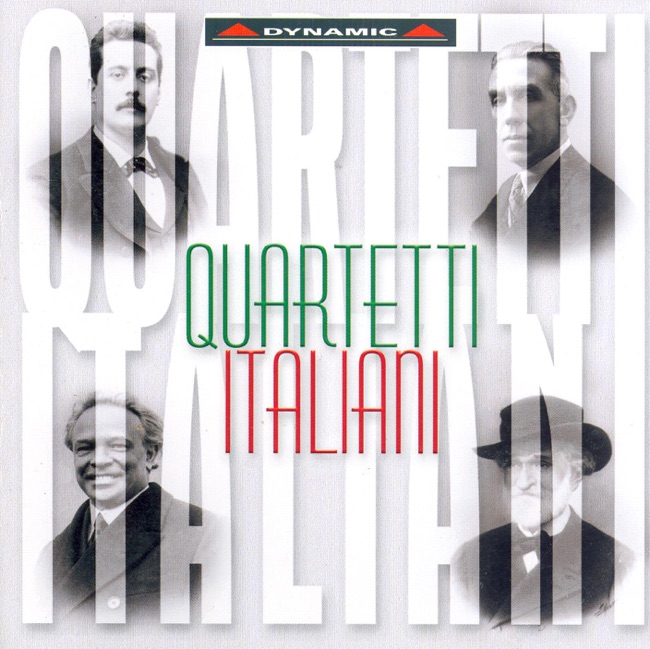 January 1, 2005
 -
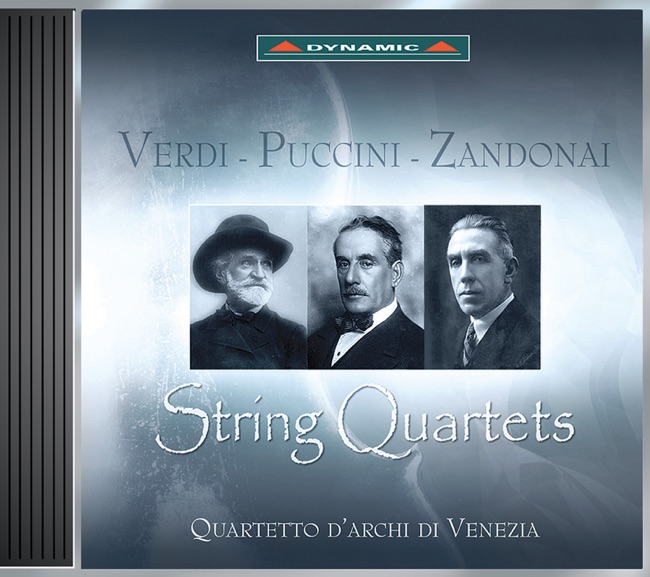 November 30, 2004
Vocal
-
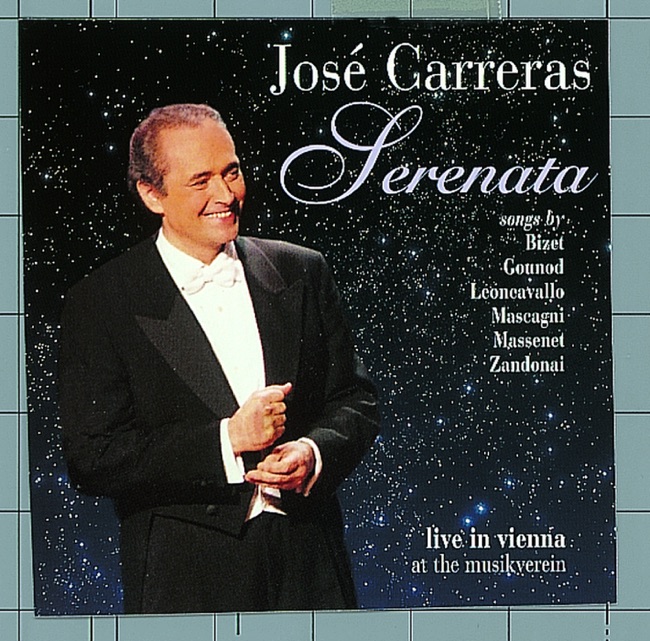 September 5, 1995
Orchestral
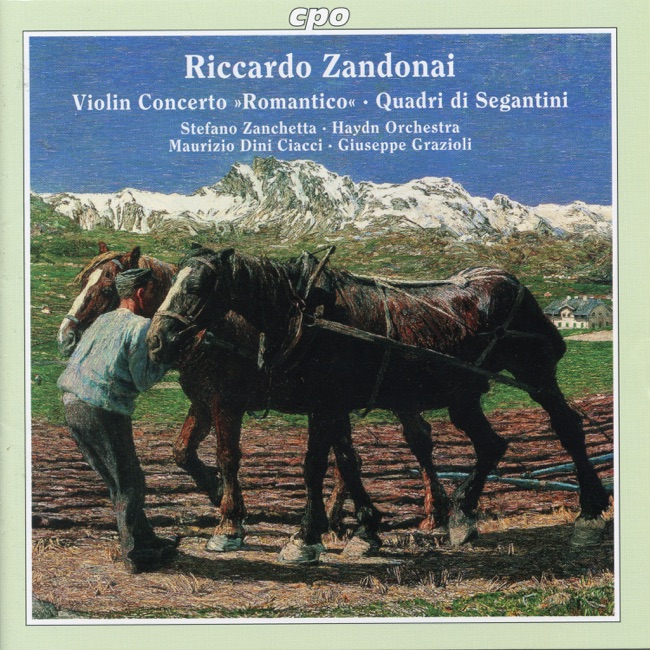
Artist Info
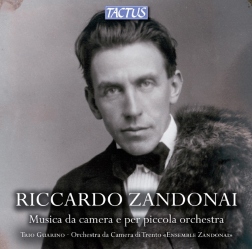
Role:ComposerBirth:May 30, 1883Death:June 5, 1944Period:ModernGenre:OperaRiccardo Zandonai was an Italian composer of classical music who was born on May 28, 1883, in Borgo Sacco, Rovereto, Italy. He was the son of a music teacher and grew up in a musical family. Zandonai showed an early interest in music and began studying the piano and violin at a young age. He later studied composition at the Liceo Musicale in Verona and the Milan Conservatory. Zandonai's early works were influenced by the Italian opera tradition, and he became known for his lyrical melodies and dramatic flair. His first major success came in 1914 with the premiere of his opera "Conchita," which was based on a play by the French writer Maurice Maeterlinck. The opera was a critical and commercial success, and it established Zandonai as one of the leading composers of his generation. In the years that followed, Zandonai continued to compose operas, including "Francesca da Rimini" (1914), "Giulietta e Romeo" (1922), and "I Cavalieri di Ekebù" (1925). These works were characterized by their lush orchestration, soaring melodies, and vivid depictions of love and tragedy. Zandonai's music was also influenced by his interest in literature and poetry. He often set texts by Italian poets such as Gabriele D'Annunzio and Francesco Petrarca to music, and his operas were often based on literary works. This literary influence can be seen in his use of symbolism and metaphor in his music. Despite his success as a composer, Zandonai was not immune to the political turmoil of his time. In the 1920s and 1930s, Italy was under the rule of the fascist dictator Benito Mussolini, and Zandonai was forced to navigate the political landscape carefully. He was a member of the Fascist Party, but he also maintained friendships with artists and intellectuals who opposed the regime. Zandonai's later works, such as "La Farsa Amorosa" (1933) and "La Serenata al Vento" (1937), were less successful than his earlier operas. However, he continued to compose until his death in 1944. His legacy as a composer of Italian opera has endured, and his works continue to be performed and recorded today. One of Zandonai's most famous works is "Francesca da Rimini," which premiered in 1914. The opera is based on the story of Francesca da Rimini, a noblewoman who falls in love with her husband's brother, Paolo. The two are discovered by Francesca's husband, who kills them both. The story is a classic tale of tragic love, and Zandonai's music captures the passion and intensity of the story. The opera is notable for its use of leitmotifs, or recurring musical themes, which are used to represent the characters and their emotions. The most famous of these is the "Francesca theme," which is a haunting melody that represents the doomed love between Francesca and Paolo. The opera also features a lush orchestration, with sweeping strings and dramatic brass fanfares. Another of Zandonai's famous works is "Giulietta e Romeo," which premiered in 1922. The opera is based on Shakespeare's "Romeo and Juliet," and it tells the story of the tragic love between the two young lovers. Zandonai's music captures the youthful energy and passion of the story, with lively dance rhythms and soaring melodies. The opera is also notable for its use of the chorus, which plays a prominent role in the music. The chorus represents the feuding families of the Capulets and the Montagues, and their music is often dark and foreboding.More....
Recent Artist Music
Related Artists
Copyright Ⓒ 2013 Davinci Finger. All rights reseved
Service Terms & Policy