


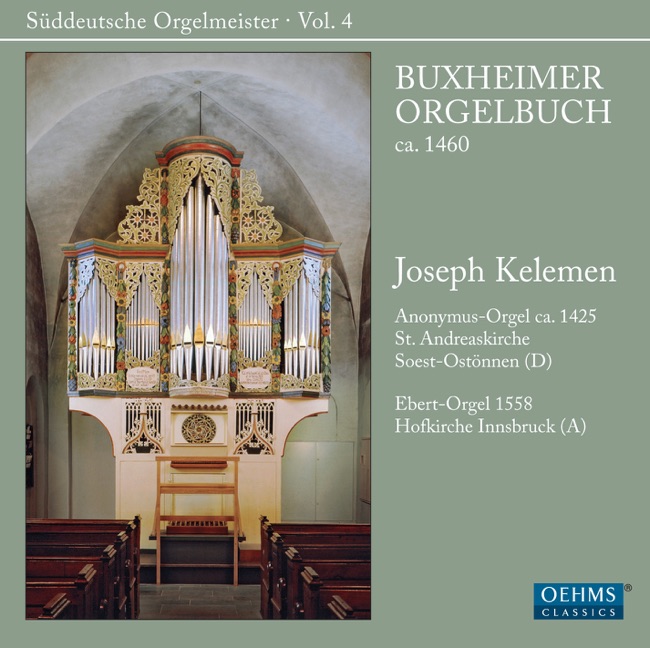
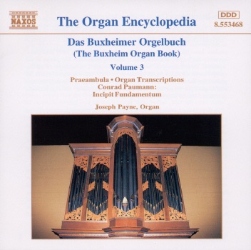
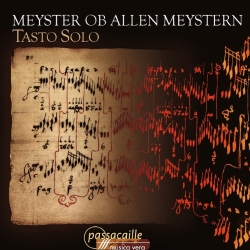
Buxheimer Orgelbuch Anonymous
Released Album
Keyboard
-
 July 9, 2021
 -
 February 3, 2017
 -
 January 25, 2011
 -
 October 13, 2009
 -
 May 27, 2008
 -
 March 23, 2004
Vocal
Artist Info
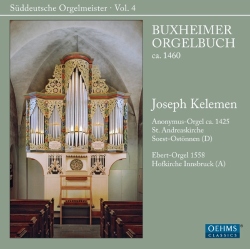
Role:ComposerGenre:KeyboardBuxheimer Orgelbuch Anonymous is a composer of classical music who is known for his contributions to the organ music genre. Unfortunately, very little is known about the life of this composer, and even his name is not certain. The Buxheimer Orgelbuch is a collection of organ music that was compiled in the late 15th century, and it is believed that the music was written by several different composers. However, the identity of the composer or composers who wrote the pieces in the Buxheimer Orgelbuch remains a mystery. The Buxheimer Orgelbuch is a collection of organ music that was compiled in the late 15th century, and it is believed that the music was written by several different composers. However, the identity of the composer or composers who wrote the pieces in the Buxheimer Orgelbuch remains a mystery. The Buxheimer Orgelbuch is a collection of organ music that was compiled in the late 15th century, and it is believed that the music was written by several different composers. However, the identity of the composer or composers who wrote the pieces in the Buxheimer Orgelbuch remains a mystery. The Buxheimer Orgelbuch is a collection of organ music that was compiled in the late 15th century, and it is believed that the music was written by several different composers. However, the identity of the composer or composers who wrote the pieces in the Buxheimer Orgelbuch remains a mystery. Despite the lack of information about the composer or composers of the Buxheimer Orgelbuch, the music contained within the collection is highly regarded by organists and music scholars. The pieces in the collection are written in a variety of styles, including preludes, fugues, and chorale settings. The music is characterized by its intricate counterpoint and use of chromaticism, which was a relatively new technique at the time the music was written. One of the most famous pieces in the Buxheimer Orgelbuch is the prelude in D minor, which is often performed in recitals and used as a teaching piece for organ students. The piece is notable for its use of a descending chromatic scale in the bass line, which creates a sense of tension and drama. The prelude is also notable for its use of imitative counterpoint, in which the different voices of the music imitate each other in a call-and-response fashion. Another notable piece in the Buxheimer Orgelbuch is the chorale setting of "Nun komm, der Heiden Heiland," which is a hymn that is traditionally sung during Advent. The piece is written in a simple, homophonic style, with the melody of the hymn in the top voice and the other voices providing harmonic support. The piece is notable for its use of suspensions, in which a note from the previous chord is held over into the next chord, creating a dissonance that is resolved in a later chord. Despite the fact that the composer or composers of the Buxheimer Orgelbuch remain unknown, the music contained within the collection has had a lasting impact on the organ music genre. The intricate counterpoint and use of chromaticism in the music was highly influential on later composers, including Johann Sebastian Bach. The Buxheimer Orgelbuch remains an important part of the organ repertoire, and its music continues to be performed and studied by organists and music scholars around the world.More....
Recent Artist Music
1
5:2
2
29
4
2:35
5
1:11
7
1:17
9
2:12
11
1:49
15
3:50
Copyright Ⓒ 2013 Davinci Finger. All rights reseved
Service Terms & Policy