


Buxheimer Orgelbuch Anonymous
Jeloy mors (Buxheim Organ Book No. 18)
Released Album
Recent Album
Works Info
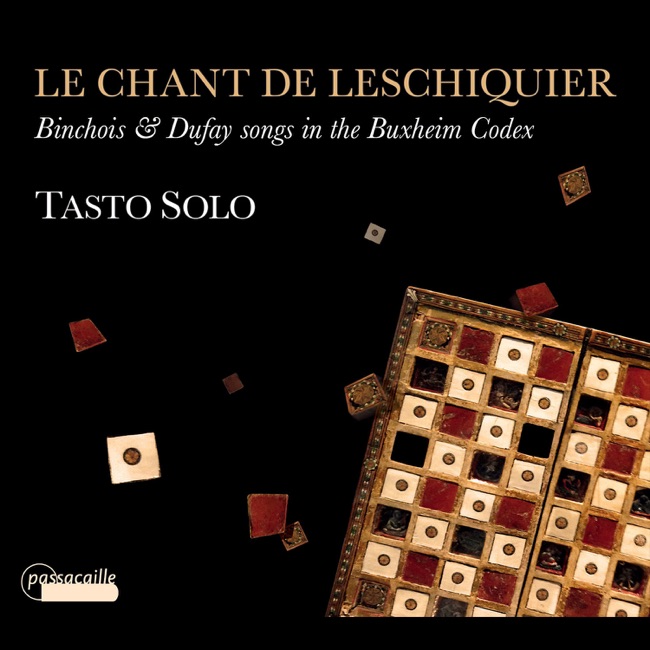
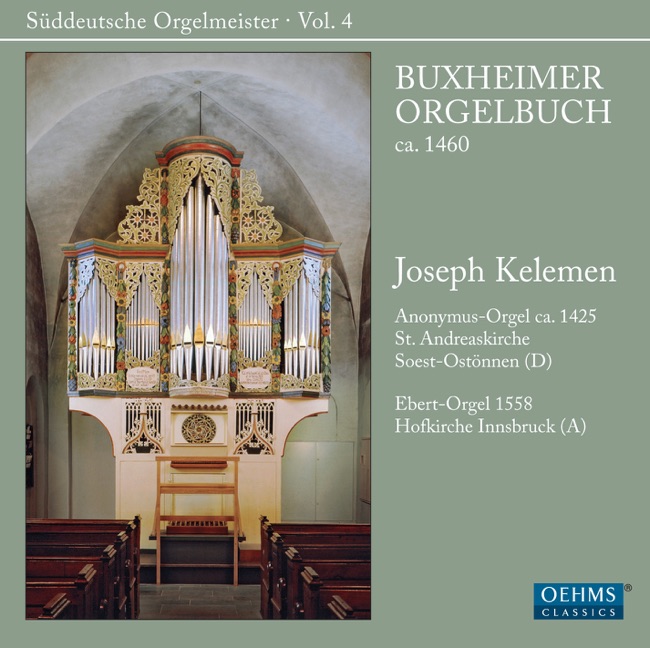
Composer:Buxheimer Orgelbuch AnonymousGenre:KeyboardAverage_duration:4:17Jeloy mors (Buxheim Organ Book No. 18) is a composition from the Buxheimer Orgelbuch, a collection of organ music from the 15th century. The exact date of composition is unknown, but it is believed to have been written in the mid-15th century. The piece is named after the town of Jeloy in Norway. The composition consists of three movements, each with its own distinct character. The first movement is a prelude, which sets the tone for the piece. It is a slow and solemn introduction, with a simple melody played in the upper register of the organ. The second movement is a fugue, which is a complex and intricate piece of music that features multiple voices playing in counterpoint. The fugue is based on a simple theme that is introduced at the beginning of the movement and then developed throughout. The third movement is a toccata, which is a fast and virtuosic piece of music that showcases the technical abilities of the organist. The toccata features rapid runs and arpeggios, as well as complex rhythms and harmonies. It is a lively and energetic piece that brings the composition to a thrilling conclusion. Overall, Jeloy mors is a prime example of the organ music of the 15th century. It features a simple and elegant melody, complex counterpoint, and virtuosic flourishes. The piece is notable for its use of different textures and dynamics, as well as its ability to evoke a range of emotions in the listener. It remains a popular piece of music for organists today, and is often performed in recitals and concerts.More....
Works Music
Released Music
1
3:50
2
4:17