Buxheimer Orgelbuch Anonymous
Redeuntes in Idem
Released Album
Recent Album
Featured Album
Works Info
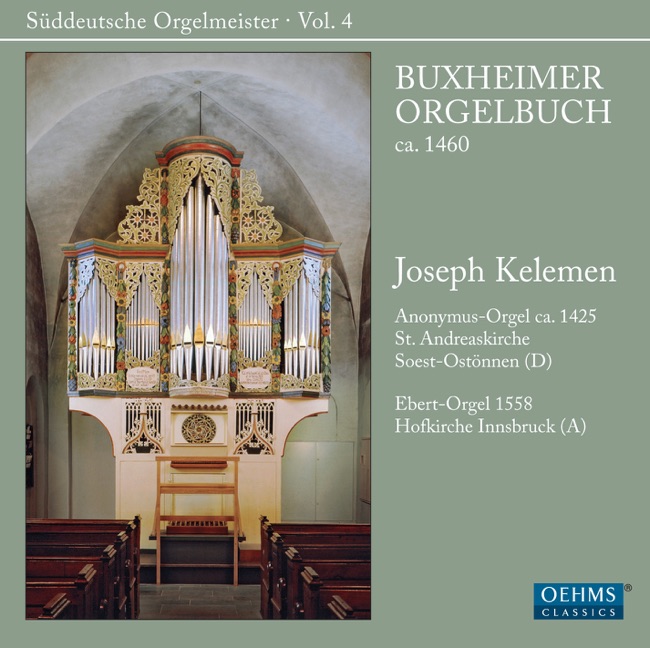
Composer:Buxheimer Orgelbuch AnonymousGenre:KeyboardStyle:KeyboardAverage_duration:2:15"Redeuntes in Idem" is a composition found in the Buxheimer Orgelbuch, an anonymous manuscript of organ music from the late 15th century. The manuscript is named after the Bavarian monastery of Buxheim, where it was discovered in the 19th century. The exact date of composition of "Redeuntes in Idem" is unknown, but it is believed to have been written in the late 15th century, around the same time as the rest of the pieces in the Buxheimer Orgelbuch. The piece is written for the organ and consists of three movements. The first movement is a prelude, marked "Allegro," which features a lively and rhythmic melody played in the right hand, accompanied by a simple chordal accompaniment in the left hand. The second movement is a fugue, marked "Andante," which features a more complex and contrapuntal texture. The third movement is a toccata, marked "Presto," which is a virtuosic display of fast fingerwork and flashy runs. One of the characteristics of "Redeuntes in Idem" is its use of imitation and counterpoint. The fugue in particular showcases the composer's skill in writing complex and intricate counterpoint, with each voice entering in turn and weaving together in a complex web of interlocking melodies. Another characteristic of the piece is its use of ornamentation. The melody in the prelude is decorated with trills and turns, adding a lively and playful character to the music. The toccata, meanwhile, is full of rapid arpeggios and runs, showcasing the technical abilities of the organist. Overall, "Redeuntes in Idem" is a lively and virtuosic piece of organ music, showcasing the skill and creativity of the anonymous composer who wrote it.More....
Works Music
Released Music
Featured Music