


Giuseppe Tartini
Released Album
Chamber
-
 September 13, 2024
 -
 August 9, 2024
 -
 July 26, 2024
 -
-
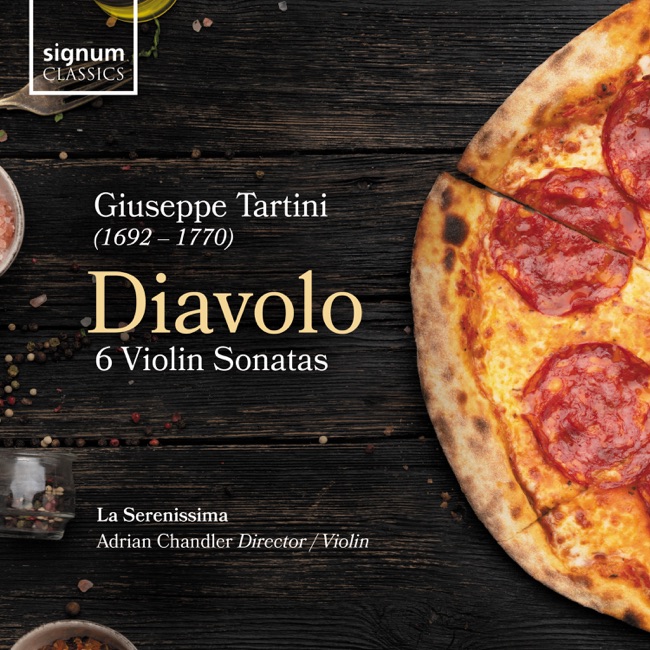 March 22, 2024
 -
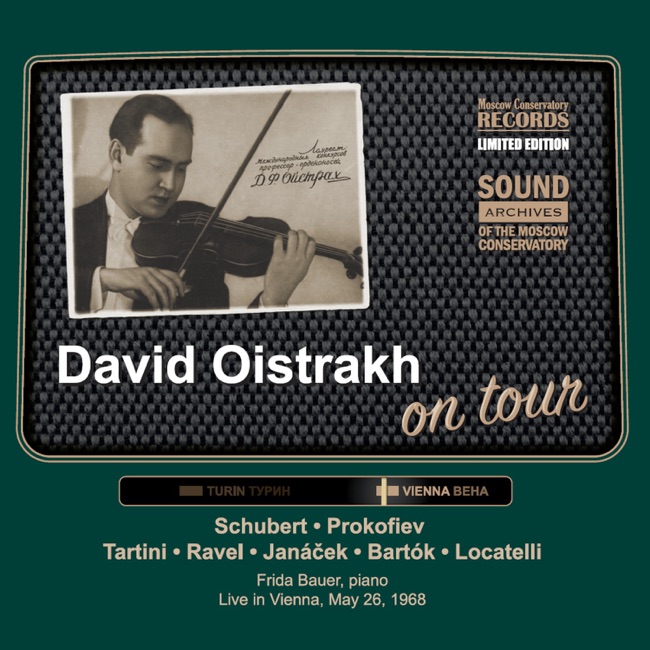 November 24, 2023
Concerto
-
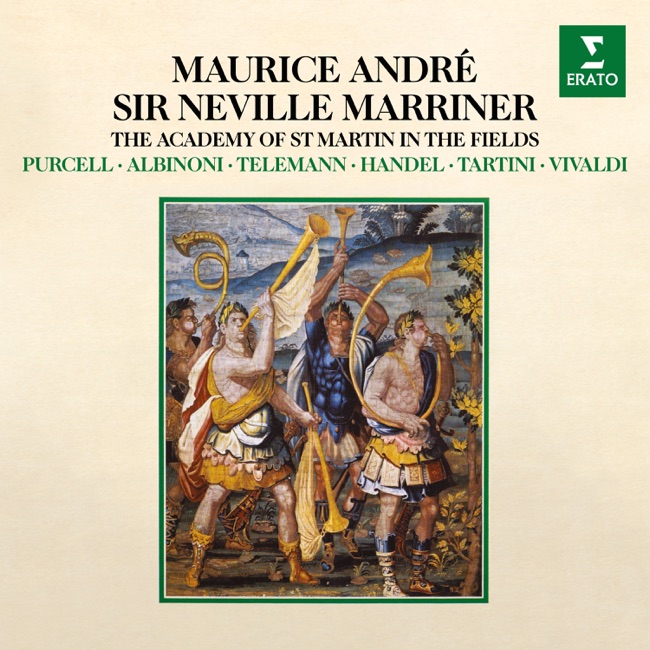 August 2, 2024
 -
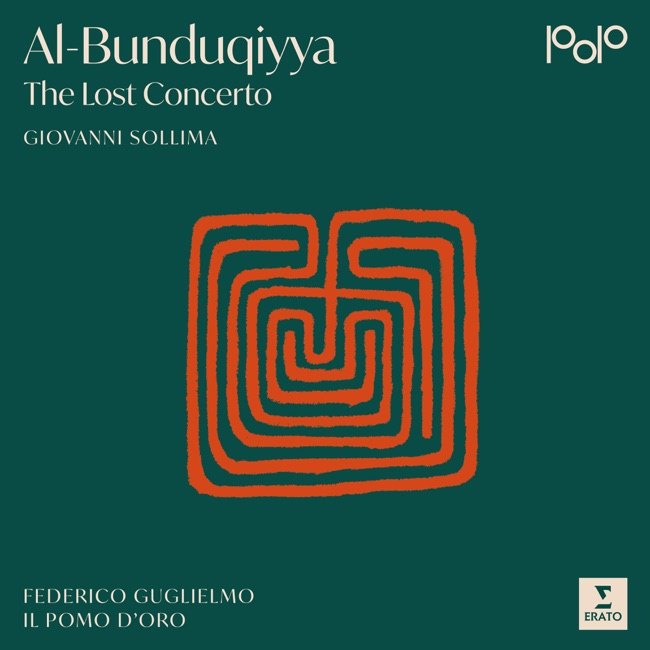 March 1, 2024
 -
 January 5, 2024
 -
 July 22, 2023
 -
 May 19, 2023
 -
Miscellaneous
-
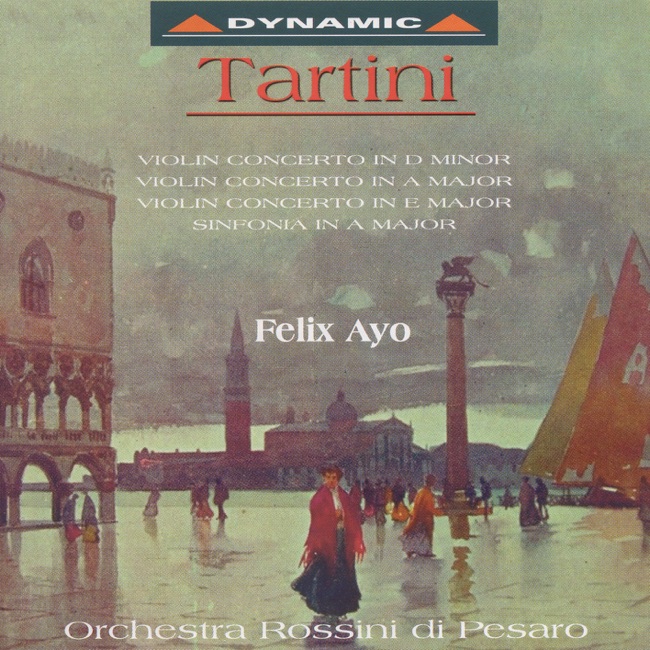 December 1, 1995
Orchestral
-
 March 13, 2021
Artist Info
Role:ComposerCountry: ItalyBirth:April 8, 1692 in Pirano, Istria, ItalyDeath:February 26, 1770 in Padua, ItalyPeriod:ClassicalGenre:ChamberConcertoGiuseppe Tartini was a prominent Italian composer and violinist of the Baroque era. He was born on April 8, 1692, in Piran, a small town in the Republic of Venice, which is now part of Slovenia. Tartini was the eldest of three children born to Giovanni Antonio Tartini and Caterina Zangrando. His father was a minor government official, and his mother was from a wealthy family. Tartini showed an early interest in music and began studying the violin at the age of nine. He received his early musical education from his father, who was a skilled amateur musician. Tartini's talent was soon recognized, and he was sent to study with the renowned violinist and composer Giuseppe Torelli in Bologna. In 1710, Tartini joined the orchestra of the Basilica di Sant'Antonio in Padua, where he served as a violinist and composer. He also began to establish himself as a soloist, performing in concerts throughout Italy. In 1721, Tartini was appointed as the maestro di cappella at the Basilica di Sant'Antonio, a position he held until 1765. Tartini's compositions were highly regarded during his lifetime, and he was considered one of the leading violinists of his time. His works were characterized by their technical virtuosity and expressive lyricism. Tartini was particularly known for his use of the bow, which he used to create a wide range of tonal colors and expressive effects. One of Tartini's most famous works is his Violin Sonata in G minor, also known as the "Devil's Trill Sonata." According to legend, Tartini was visited in a dream by the devil, who played a virtuosic violin solo for him. Tartini was so impressed by the devil's playing that he transcribed the music from memory when he woke up. The resulting sonata is a virtuosic tour de force, featuring complex technical passages and expressive melodies. Tartini also composed a number of concertos for violin and orchestra, including his Concerto in D major, which is notable for its use of the solo violin as a virtuosic protagonist. Tartini's concertos were highly influential in the development of the solo concerto form, which became a staple of the Baroque and Classical eras. In addition to his compositions, Tartini was also known for his contributions to violin technique. He wrote a treatise on violin playing, entitled Trattato di musica secondo la vera scienza dell'armonia, which was published posthumously in 1770. The treatise includes detailed instructions on bowing, fingering, and other technical aspects of violin playing. Tartini's legacy as a composer and violinist has endured to the present day. His works continue to be performed and recorded by musicians around the world, and his contributions to violin technique have had a lasting impact on the development of the instrument. Tartini died on February 26, 1770, in Padua, Italy, at the age of 77.More....
Recent Artist Music
1

3:41
3
3:53
4
8:18

9
14:16

13
14:22
14
2:30
Works Highlight
Recommend Playlist











Related Artists
Copyright Ⓒ 2013 Davinci Finger. All rights reseved
Service Terms & Policy