


George Lloyd
Released Album
Symphony
-
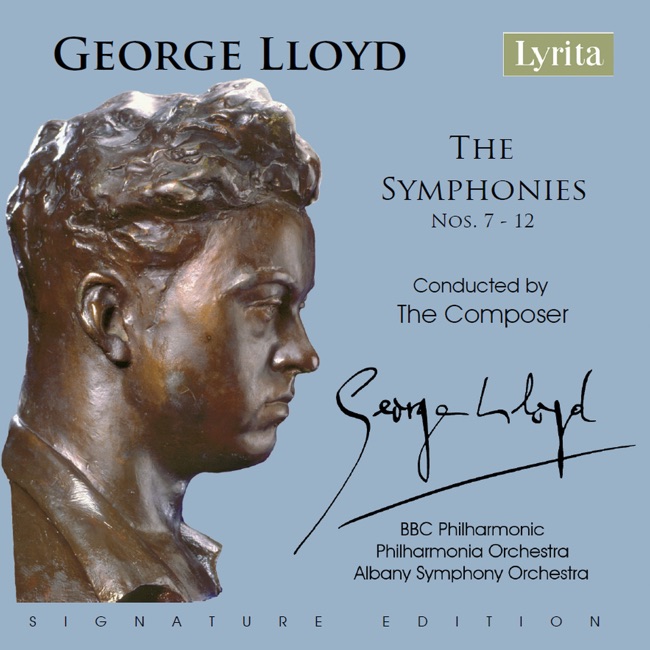 April 5, 2024
 -
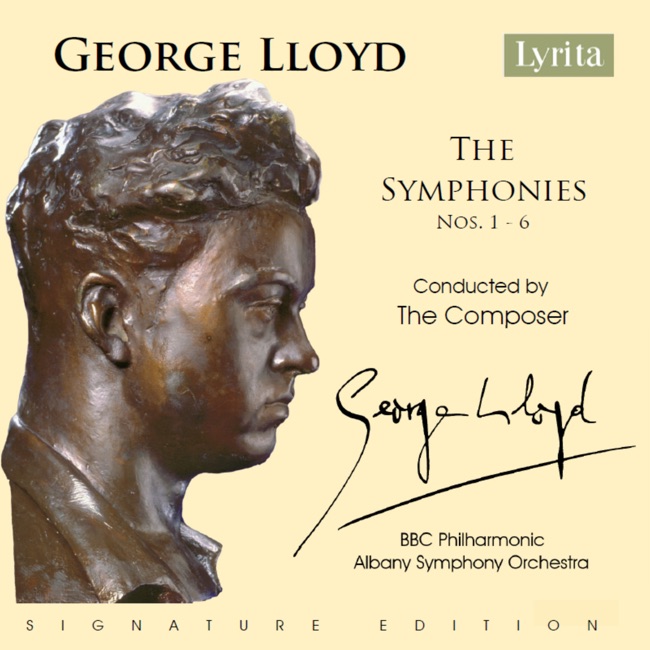 March 1, 2024
 -
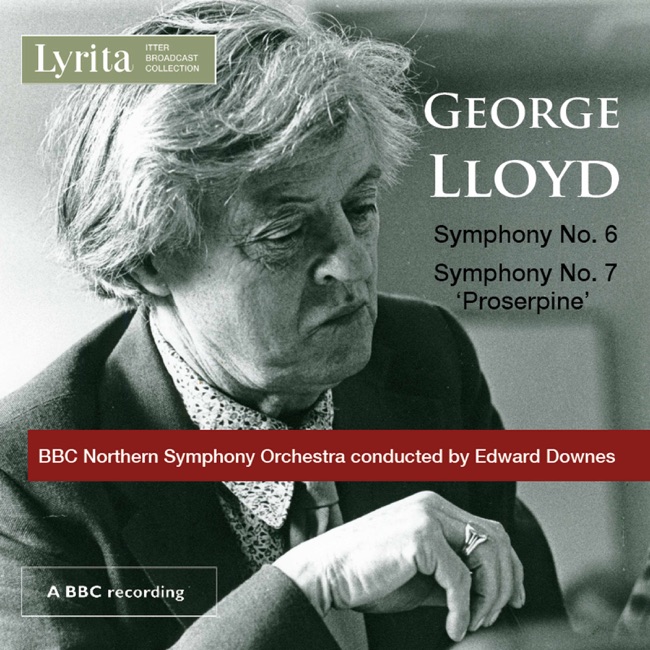 September 1, 2017
 -
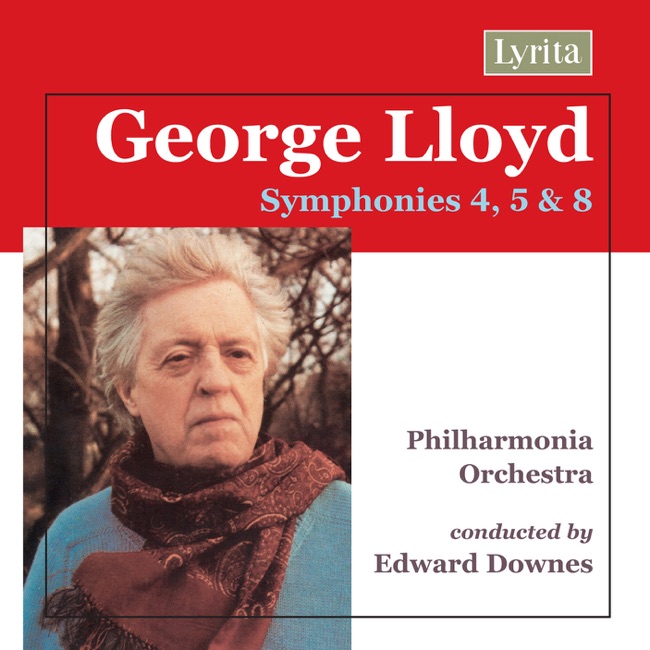 October 9, 2007
Keyboard
-
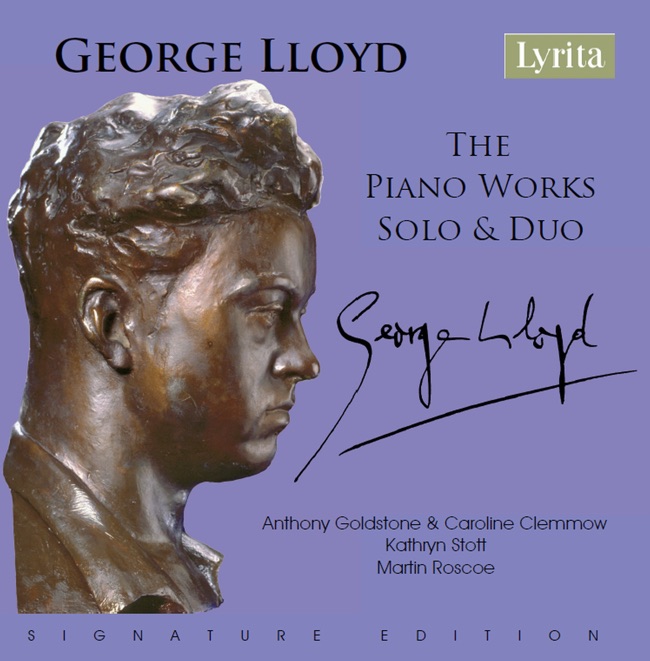 August 2, 2024
 -
 June 28, 2024
 -
 June 14, 2024
 -
 November 29, 1995
Choral
-
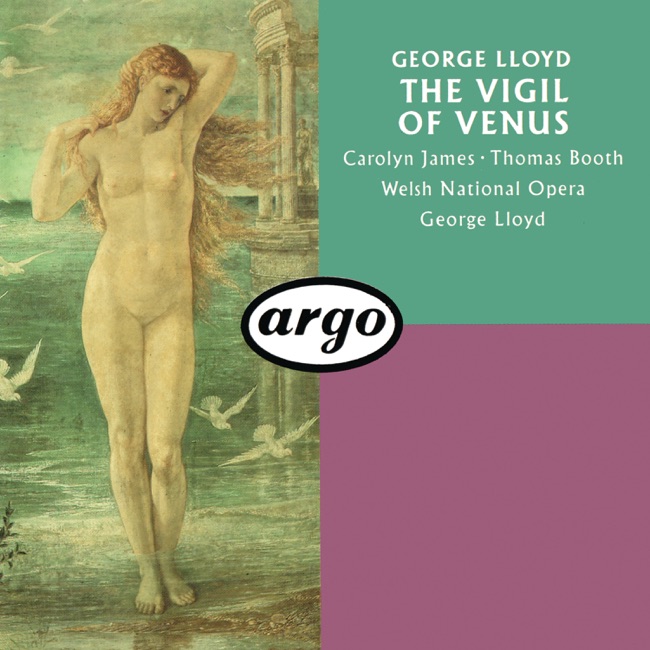 October 1, 1990
Artist Info
Role:Composer Conductor PerformerCountry: United KingdomBirth:June 28, 1913 in St. Ives, Cornwall, EnglandDeath:July 3, 1998 in London, EnglandPeriod:ModernGenre:BandConcertoKeyboardSymphonyGeorge Lloyd was a British composer born on June 28, 1913, in St. Ives, Cornwall. He was the youngest of three children born to William Lloyd, a painter, and his wife, Gertrude. Lloyd's family was musically inclined, and his father played the violin and piano. His mother was a singer, and his sister, Nancy, was a pianist. Lloyd's brother, Arnold, was also a composer. Lloyd began composing at a young age and showed a natural talent for music. He received his first formal music education from his mother, who taught him to play the piano. He later studied with the composer Harry Farjeon and the pianist Harold Craxton. In 1932, Lloyd won a scholarship to the Royal Academy of Music in London, where he studied composition with William Alwyn and piano with Arthur Benjamin. Lloyd's early works were influenced by the music of Jean Sibelius and Ralph Vaughan Williams. His first major composition was a symphony, which he wrote when he was just 19 years old. The symphony was well-received, and Lloyd was hailed as a promising young composer. In 1939, Lloyd joined the British Army and served in World War II. He was wounded in action and suffered from shell shock, which affected his mental health for many years. After the war, Lloyd returned to composing and wrote a series of works that reflected his experiences in the military. These works included his Fourth Symphony, which was inspired by his time in the army, and his Requiem, which was dedicated to the memory of his fellow soldiers who had died in the war. Lloyd's music was often described as romantic and lyrical, with a strong sense of melody and harmony. He was known for his use of folk melodies and his ability to create vivid musical landscapes. His works were often inspired by nature, and he had a particular affinity for the sea, which he had grown up near in Cornwall. Lloyd's most famous work is his Eighth Symphony, which he wrote in 1978. The symphony was commissioned by the Royal Liverpool Philharmonic Orchestra and was dedicated to the memory of his wife, Nancy, who had died the previous year. The symphony is a powerful and emotional work that reflects Lloyd's grief and his belief in the power of music to heal. Lloyd's other notable works include his Piano Concerto, which was written for the pianist Moura Lympany, and his opera, Iernin, which was based on a Celtic legend. He also wrote a number of chamber works, including string quartets and sonatas for various instruments. Despite his talent and success as a composer, Lloyd struggled with mental health issues throughout his life. He suffered from depression and anxiety, which were exacerbated by his experiences in the war. In the 1950s, he suffered a nervous breakdown and was hospitalized for several months. He later wrote about his struggles in his autobiography, "A Symphony for a Broken Orchestra." Lloyd continued to compose throughout his life and wrote more than 120 works in total. He received numerous awards and honors for his music, including a CBE in 1977 and a knighthood in 1995. He died on July 3, 1998, at the age of 85. Today, Lloyd is remembered as one of the most important British composers of the 20th century. His music is still performed and recorded by orchestras and ensembles around the world, and his legacy continues to inspire new generations of composers.More....
Recent Artist Music
13
11:27
Copyright Ⓒ 2013 Davinci Finger. All rights reseved
Service Terms & Policy