


George Shirley
Released Album
Opera
-
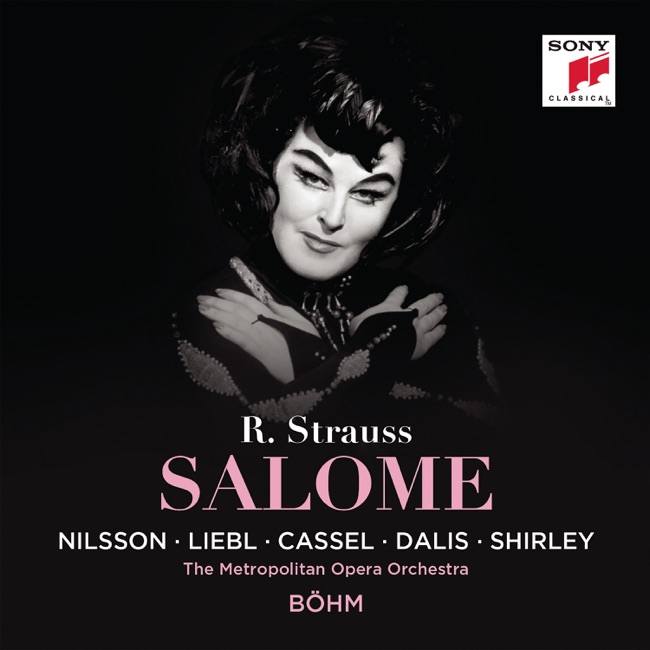 September 7, 2018
 -
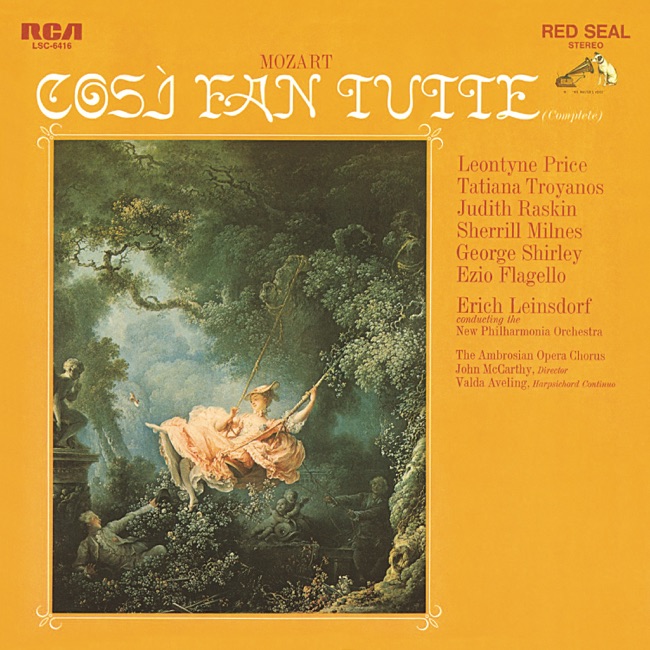 August 29, 2006
 -
 December 13, 1991
 -
 June 1, 1991
 -
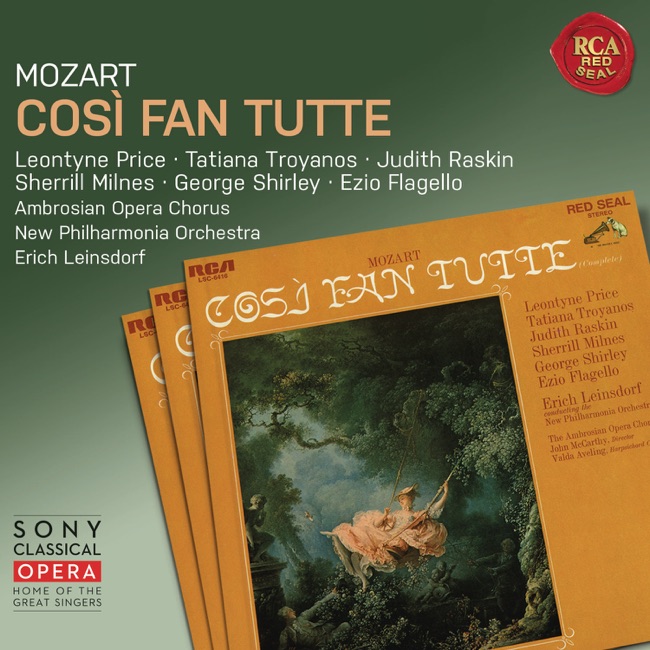
-
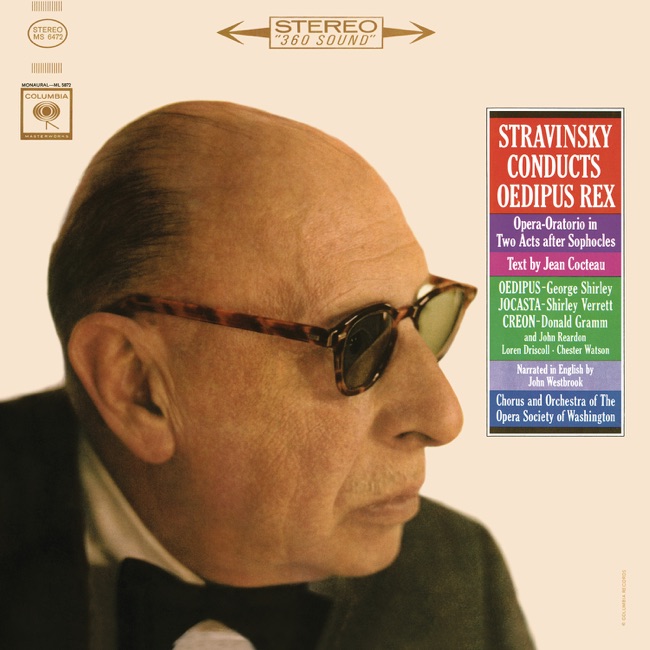
Choral
-
 May 20, 2017
 -
 November 22, 2016
 -
 November 6, 2006
 -
 January 1, 2000
Vocal
-
 September 30, 2003
Orchestral
Artist Info
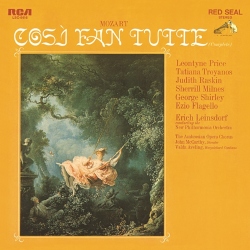
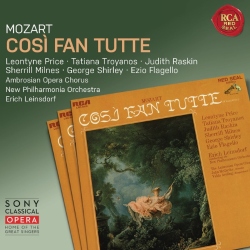
Birth:April 18, 1934 in Indianapolis, INGenre:ChoralOperaVocalGeorge Shirley is a renowned American tenor and educator who has made significant contributions to the world of classical music. Born on April 18, 1934, in Indianapolis, Indiana, Shirley grew up in a musical family. His father was a minister and his mother was a pianist and choir director. Shirley began singing in church at a young age and was encouraged by his parents to pursue music. Shirley attended Wayne State University in Detroit, Michigan, where he earned a Bachelor of Music degree in vocal performance. He then went on to study at the University of Michigan, where he earned a Master of Music degree in vocal performance. While at the University of Michigan, Shirley studied with the renowned soprano, Elizabeth Mannion, who helped him develop his vocal technique and stage presence. After completing his studies, Shirley began his professional career as a member of the U.S. Army Chorus in Washington, D.C. He then joined the Metropolitan Opera in New York City in 1961, becoming the first African American tenor to join the company. Shirley quickly established himself as a leading tenor, performing in numerous productions at the Metropolitan Opera, including "Aida," "La Bohème," and "Porgy and Bess." In addition to his work at the Metropolitan Opera, Shirley also performed with other major opera companies, including the San Francisco Opera, the Lyric Opera of Chicago, and the Deutsche Oper Berlin. He also appeared in numerous concerts and recitals throughout the United States and Europe, performing with some of the world's leading orchestras and conductors. One of Shirley's most notable performances was his portrayal of the role of Ferrando in Mozart's "Così fan tutte" at the Metropolitan Opera in 1968. This performance was significant because it marked the first time that an African American tenor had sung a leading role at the Metropolitan Opera. Shirley's performance was widely praised by critics and audiences alike, and it helped to break down racial barriers in the world of classical music. Throughout his career, Shirley received numerous awards and honors for his contributions to the world of classical music. In 1961, he was awarded the Marian Anderson Award, which recognizes African American artists who have made significant contributions to the arts. He was also awarded the National Medal of Arts in 2015, which is the highest honor given to artists and arts patrons by the United States government. In addition to his work as a performer, Shirley was also a dedicated educator. He taught at the University of Maryland, the University of Michigan, and the University of Illinois, where he served as the chair of the voice department. He also served as the president of the National Association of Teachers of Singing from 1983 to 1985, and he was a member of the board of directors of the Metropolitan Opera Guild. Shirley's contributions to the world of classical music have been significant, both as a performer and as an educator. He has helped to break down racial barriers in the world of opera and has inspired countless young musicians to pursue careers in classical music. His legacy will continue to inspire future generations of musicians for years to come.More....
Recent Artist Music

5
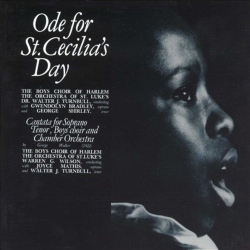
Ode for St Cecilia's Day (Song for St Cecilia's Day), HWV 76
Overture (Larghetto Allegro Minuet)
4:54



Copyright Ⓒ 2013 Davinci Finger. All rights reseved
Service Terms & Policy