


Tadeusz Baird
Released Album
Chamber
-
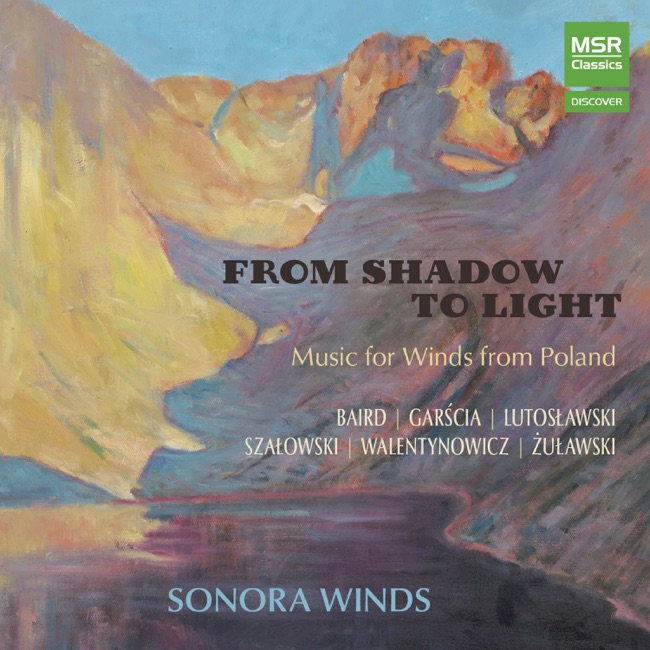 November 22, 2019
 -
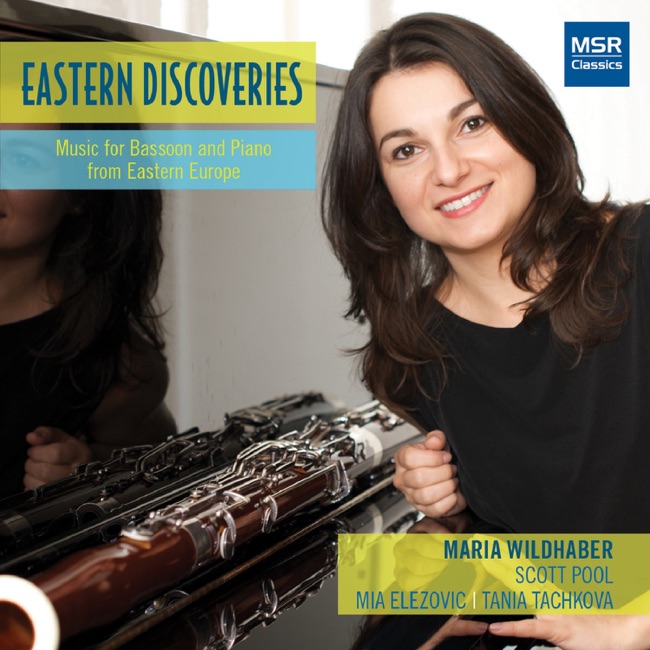 May 13, 2014
 -
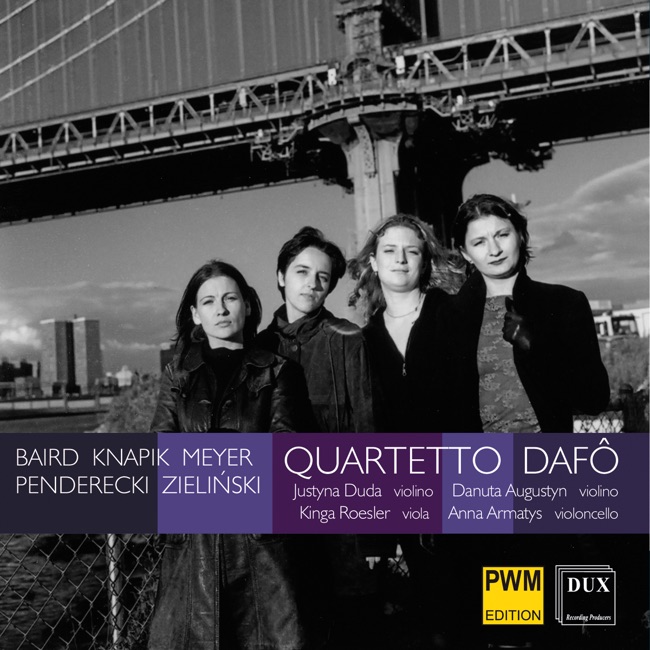 June 18, 2002
 -
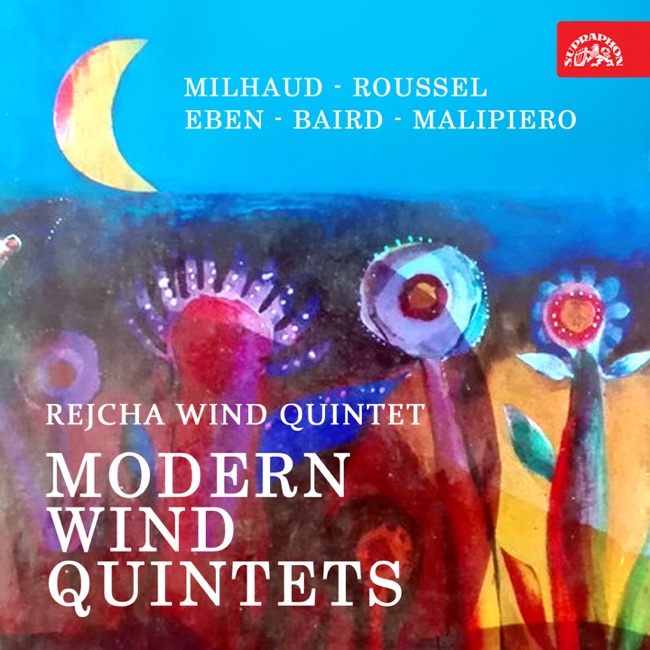
Vocal
-
 May 27, 2022
Artist Info
Role:ComposerCountry: PolandBirth:July 26, 1928 in Grodzisk Mazowiecki, PolandDeath:September 2, 1981 in Warsaw, PolandPeriod:ContemporaryGenre:ConcertoFilmOrchestralTadeusz Baird was a Polish composer who was born on July 26, 1928, in Grodzisk Mazowiecki, Poland. He was the son of a lawyer and a pianist, and his parents encouraged his interest in music from a young age. Baird began studying piano and composition at the age of six, and he continued his musical education at the State Higher School of Music in Warsaw, where he studied with renowned composers such as Kazimierz Sikorski and Bolesław Woytowicz. Baird's early compositions were influenced by the neoclassical style of Stravinsky and Hindemith, but he soon developed his own unique voice, characterized by a blend of modernist and traditional elements. His music was often characterized by its intense emotional expressiveness, as well as its use of complex rhythms and harmonies. One of Baird's most significant early works was his Symphony No. 1, which he composed in 1951. The piece was well-received by critics and established Baird as one of the leading young composers in Poland. He went on to compose a number of other orchestral works, including his Symphony No. 2, which was premiered in 1957 and won the prestigious UNESCO International Rostrum of Composers award. In addition to his orchestral works, Baird also composed a number of chamber music pieces, including his String Quartet No. 1, which was premiered in 1955. The piece was notable for its use of extended techniques, such as col legno and sul ponticello, and its exploration of unconventional harmonies and textures. Baird's music was often politically charged, and he was known for his outspoken criticism of the communist government in Poland. In 1956, he was expelled from the Polish Composers' Union for his political views, but he continued to compose and perform despite the government's attempts to silence him. One of Baird's most famous works is his Four Essays for Orchestra, which he composed between 1958 and 1964. The piece is a series of four short movements, each of which explores a different musical idea or texture. The work is characterized by its use of unconventional harmonies and rhythms, as well as its intense emotional expressiveness. Baird's music was not only popular in Poland but also gained international recognition. He won numerous awards and honors throughout his career, including the Prix Italia in 1963 for his radio opera, "The Mirror of the World." He was also awarded the Order of Polonia Restituta, one of Poland's highest honors, in 1974. Baird continued to compose throughout his life, and his later works were characterized by a more introspective and contemplative style. He died on September 2, 1981, in Warsaw, Poland, at the age of 53. In conclusion, Tadeusz Baird was a highly influential composer who played a significant role in the development of modern classical music in Poland. His music was characterized by its emotional expressiveness, complex rhythms and harmonies, and its use of unconventional techniques and textures. Despite facing political persecution, Baird continued to compose and perform throughout his life, leaving behind a rich legacy of innovative and powerful music.More....
Recent Artist Music
8
1:12
9
1:17

Copyright Ⓒ 2013 Davinci Finger. All rights reseved
Service Terms & Policy