


Heinrich Heine
Released Album
Vocal
-
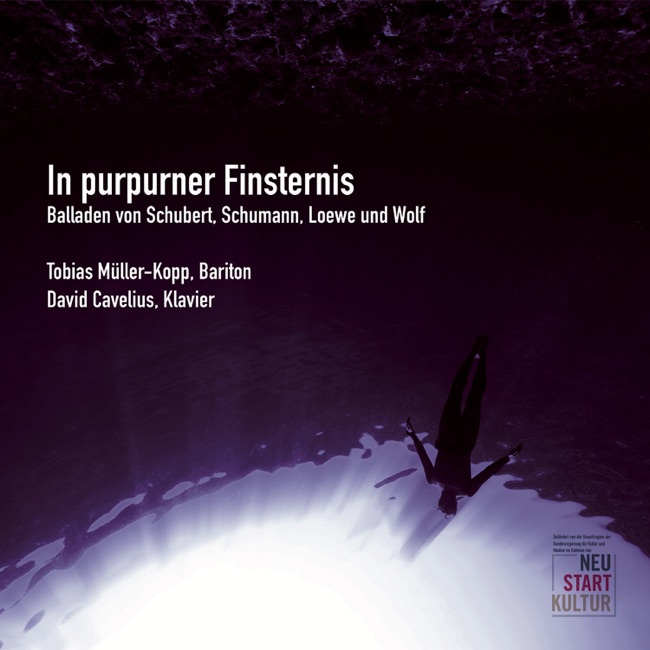 April 19, 2022
 -
 March 25, 2022
 -
 March 1, 2022
 -
 March 1, 2022
 -
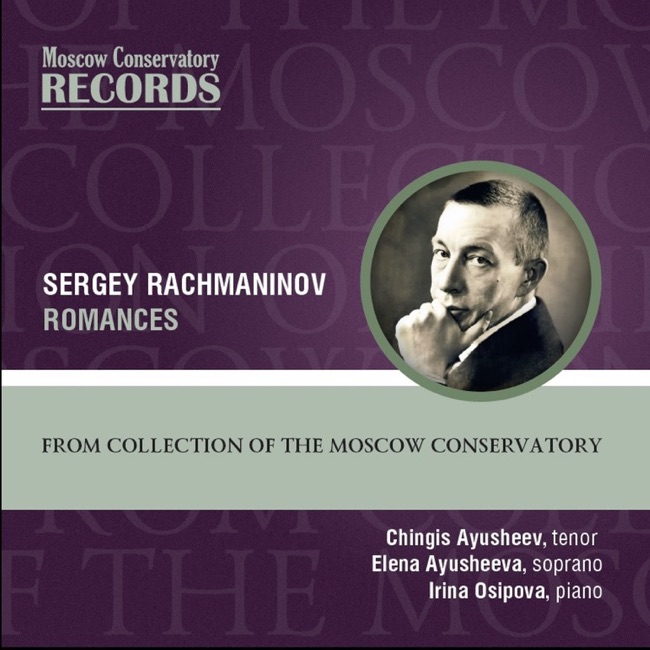 February 21, 2017
 -
 January 1, 2015
Artist Info
Role:ComposerCountry: GermanyBirth:December 13, 1797 in Düsseldorf, GermanyDeath:February 17, 1856 in Paris, FrancePeriod:RomanticGenre:VocalHeinrich Heine was a German poet, journalist, and music critic who lived from 1797 to 1856. He is known for his lyrical poetry, which often dealt with themes of love, nature, and politics. Heine was also a passionate music lover and wrote extensively about classical music in his journalism and essays. Heinrich Heine was born on December 13, 1797, in Düsseldorf, Germany. His parents were Jewish, and his father was a successful merchant. Heine showed an early talent for writing and began publishing poetry in his teens. He studied law at the University of Bonn but was more interested in literature and philosophy. Heine moved to Berlin in 1821 to pursue a career as a writer. In Berlin, Heine became involved in the city's vibrant cultural scene. He befriended many of the leading writers and artists of the day, including the composer Felix Mendelssohn. Heine also began writing music criticism for various newspapers and magazines. He was a passionate advocate for the music of Beethoven, Schubert, and other Romantic composers. Heine's poetry and prose were also highly regarded. His first major work was a collection of poems called "Buch der Lieder" (Book of Songs), which was published in 1827. The book was an immediate success and established Heine as one of the leading poets of his generation. Heine's poetry was characterized by its lyricism, wit, and political commentary. He was a vocal critic of the conservative political establishment in Germany and often used his poetry to express his liberal views. In 1831, Heine moved to Paris, where he lived for the rest of his life. He continued to write poetry and journalism, and his work was widely read and admired. Heine also became involved in the Parisian music scene and attended many concerts and operas. He wrote extensively about the music he heard, and his criticism was highly influential. One of Heine's most famous works is the cycle of poems called "Die Heimkehr" (The Homecoming), which he wrote in 1826. The cycle tells the story of a young man who returns to his hometown after a long absence and finds that everything has changed. The poems are full of nostalgia and longing, and they capture the mood of the Romantic era. Heine's love of music is evident in many of his poems. He wrote several poems about the composer Franz Schubert, whom he greatly admired. Heine also wrote a poem called "Lorelei," which tells the story of a beautiful siren who lures sailors to their deaths with her singing. The poem was set to music by several composers, including Robert Schumann and Friedrich Silcher. Heine's journalism and essays were also highly regarded. He wrote extensively about politics, culture, and society, and his writing was often controversial. He was a vocal critic of the German government and was banned from publishing in his home country. Heine's work was also banned in Russia and Austria. Despite his controversial views, Heine was widely admired by his contemporaries. He was friends with many of the leading writers and artists of the day, including Victor Hugo, Alexandre Dumas, and Eugène Delacroix. Heine's poetry and prose influenced many later writers, including Friedrich Nietzsche and Thomas Mann. Heine's health began to decline in the 1840s, and he suffered from a variety of illnesses. He became bedridden in 1848 and was unable to leave his apartment for the rest of his life. He continued to write, however, and his work remained popular. He died on February 17, 1856, in Paris.More....



Copyright Ⓒ 2013 Davinci Finger. All rights reseved
Service Terms & Policy