


August Söderman
Released Album
Vocal
-
 March 1, 2022
 -
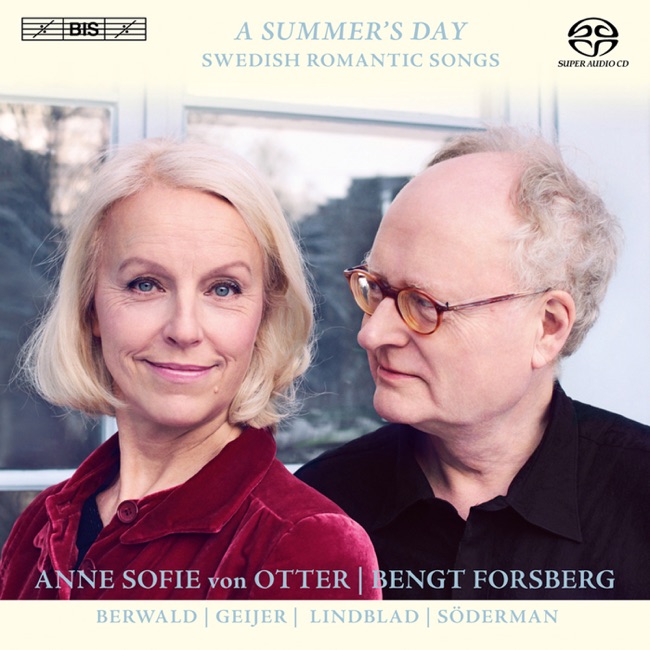 June 19, 2012
 -
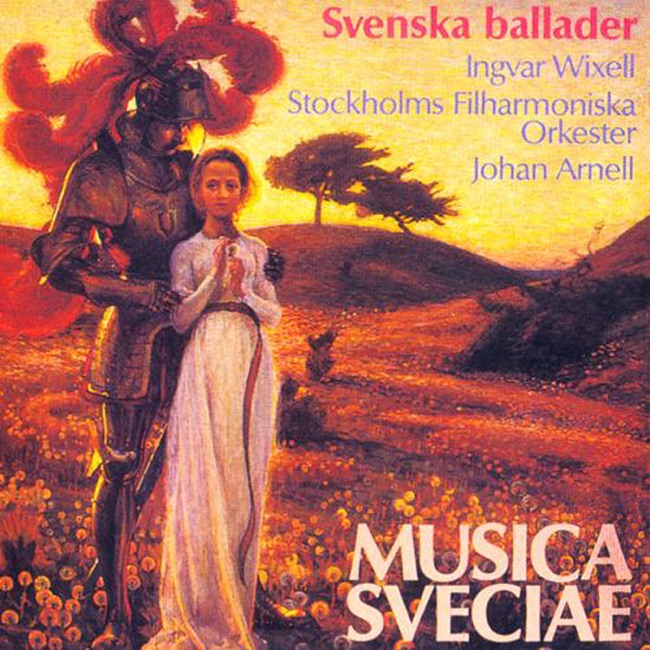 January 1, 1991
 -
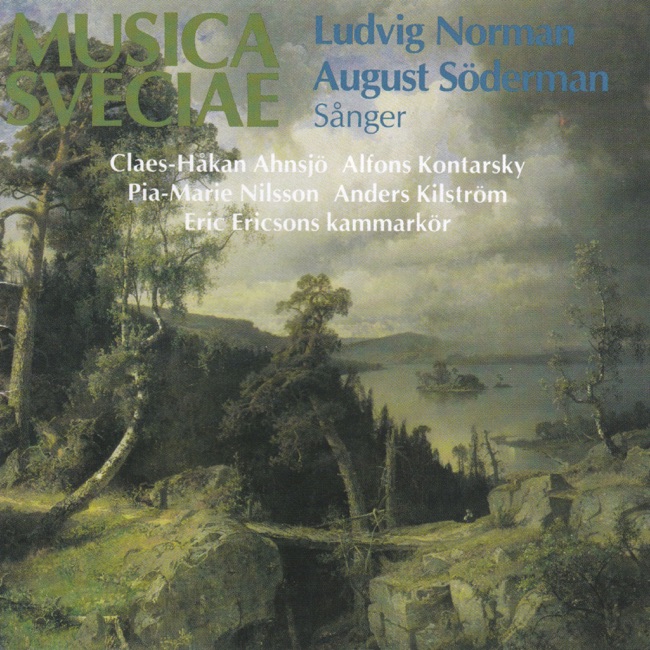 January 1, 1990
Choral
-
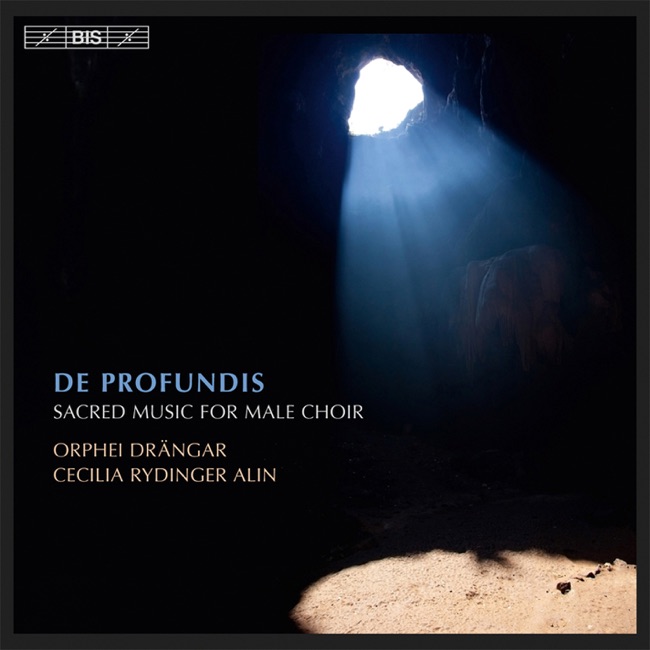 September 24, 2013
 -
 March 1, 2012
 -
 July 27, 1999
 -
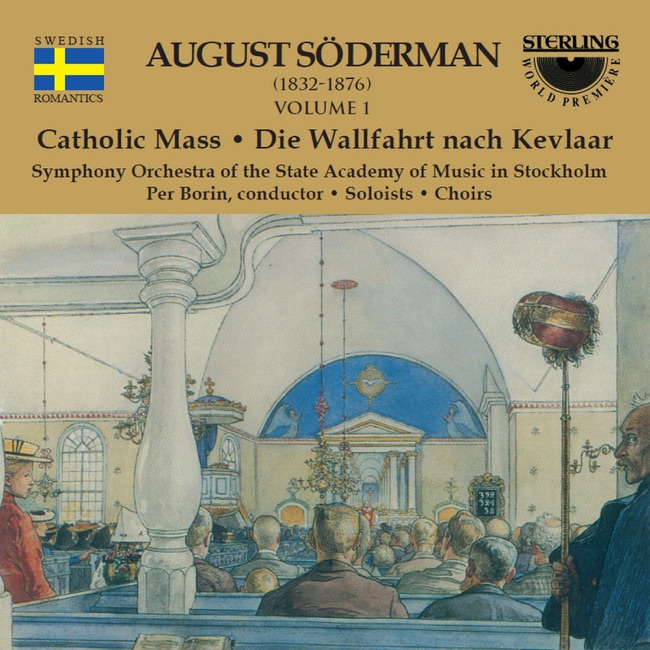 May 1, 1999
 -
 September 23, 1994
 -
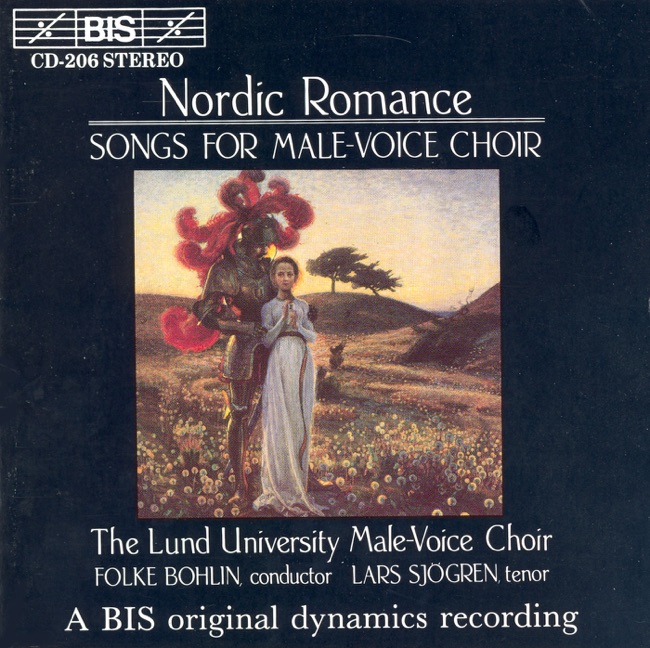 September 22, 1994
Orchestral
-
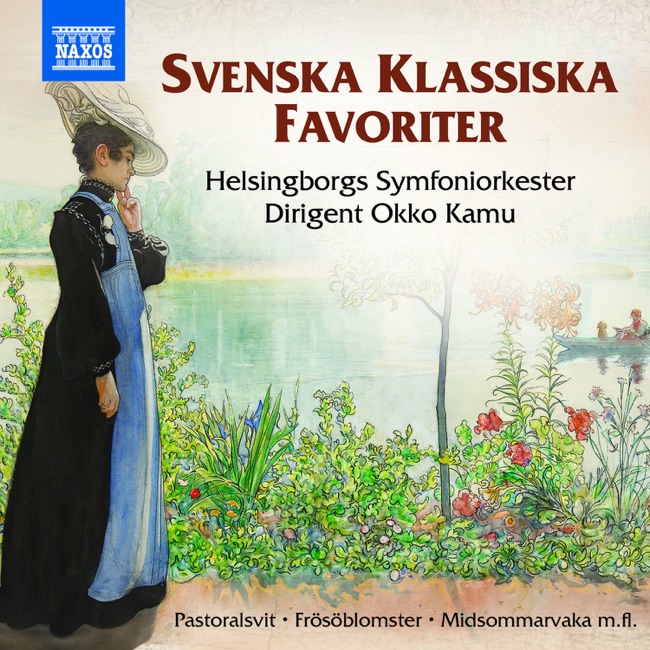 January 1, 2017
 -
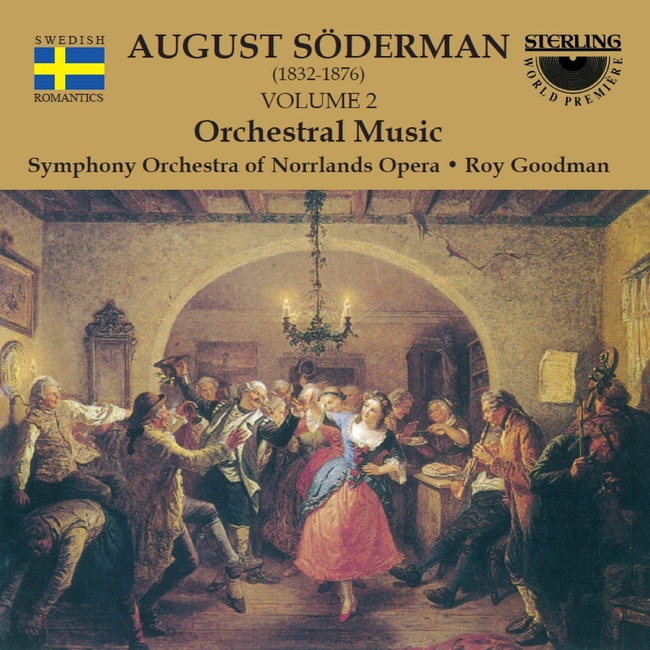 November 21, 2000
 -
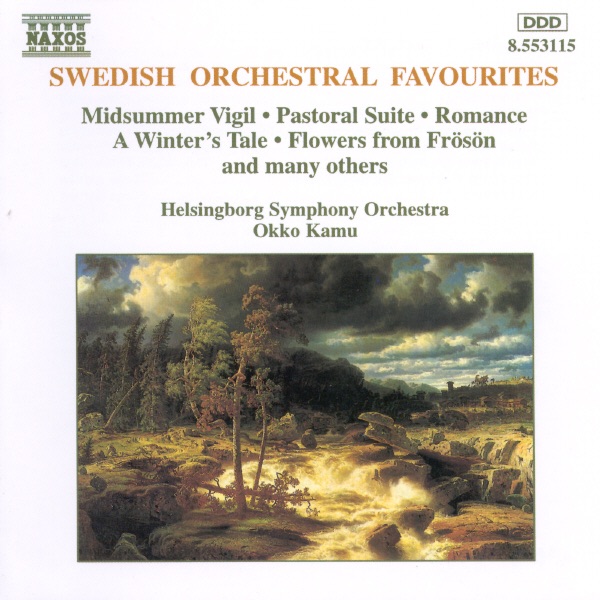 August 22, 1995
 -
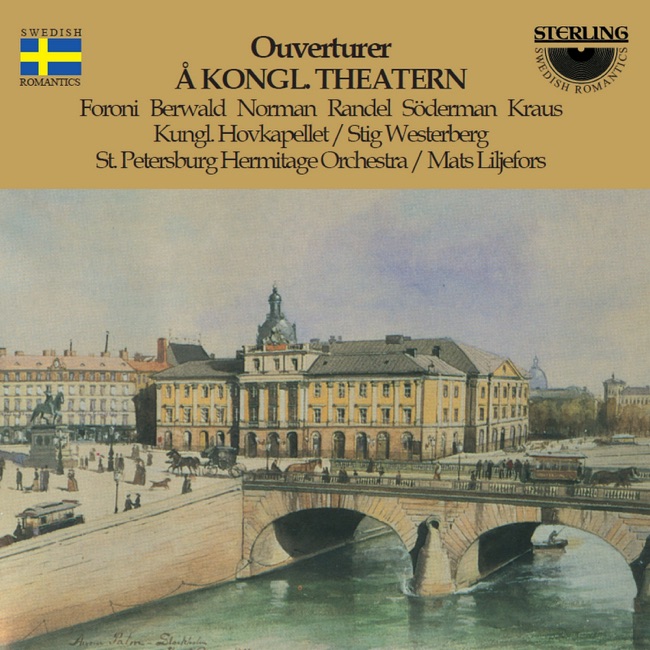 January 1, 1995
 -
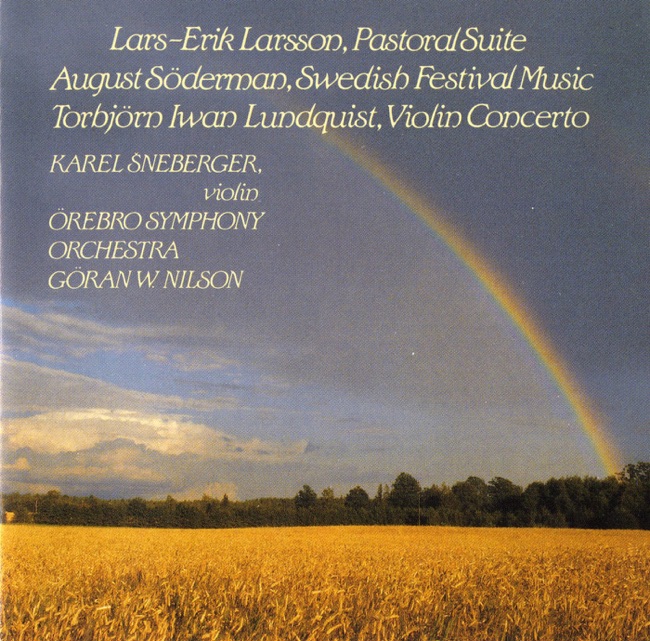
-
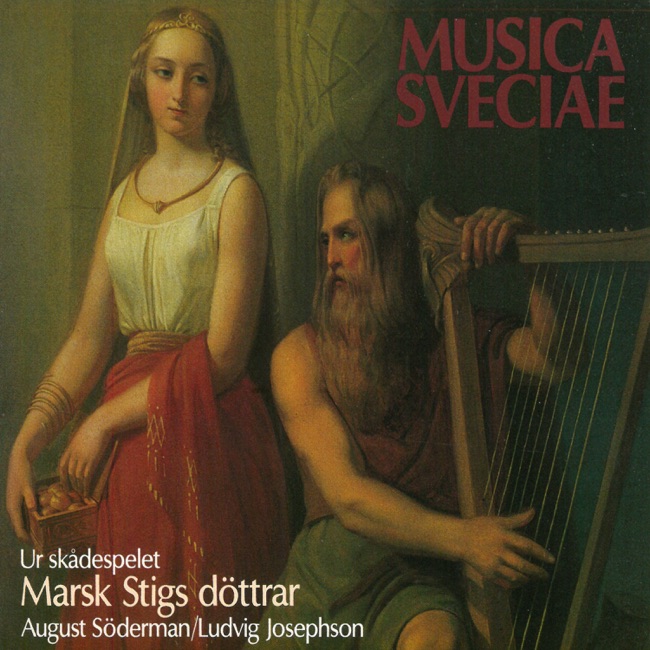 January 1, 1990
Artist Info
Role:ComposerBirth:1832 in Stockholm, SwedenDeath:1876 in Stockholm, SwedenPeriod:RomanticGenre:ChamberChoralOrchestralVocalAugust Söderman was a Swedish composer and conductor who lived from 1832 to 1876. He was born in Stockholm, Sweden, on October 7, 1832, to a family of musicians. His father, Carl Söderman, was a violinist and conductor, and his mother, Maria Söderman, was a singer. August Söderman showed an early interest in music and began studying the violin and piano at a young age. Söderman's musical education began at the Royal Swedish Academy of Music in Stockholm, where he studied composition with the renowned composer and conductor, Franz Berwald. Söderman was a talented student and quickly gained recognition for his musical abilities. In 1856, he was awarded a scholarship to study music in Germany, where he spent several years studying with some of the most prominent composers of the time, including Felix Mendelssohn and Robert Schumann. Upon his return to Sweden, Söderman began working as a conductor and composer. He was appointed conductor of the Royal Opera in Stockholm in 1864, a position he held until his death in 1876. During his time as conductor, Söderman introduced many new works to the Swedish public, including operas by Richard Wagner and Giuseppe Verdi. Söderman's compositions were heavily influenced by his time in Germany, and he was known for his use of German Romanticism in his music. His most famous works include his opera, "Fritiof's Saga," which premiered in 1867, and his "Swedish Rhapsody No. 1," which was composed in 1864. "Fritiof's Saga" is based on a poem by the Swedish poet, Esaias Tegnér, and tells the story of a Viking warrior named Fritiof. The opera was a huge success and is still performed in Sweden today. Söderman's "Swedish Rhapsody No. 1" is a patriotic work that celebrates Swedish folk music and traditions. The piece is still popular in Sweden and is often performed at national celebrations and events. In addition to his operas and rhapsodies, Söderman also composed a number of choral works, including his "Cantata for the Opening of the Stockholm Exhibition" in 1866. The cantata was performed at the opening ceremony of the Stockholm Exhibition, which was a major cultural event in Sweden at the time. Söderman's music was well-received during his lifetime, and he was considered one of the leading composers of his time in Sweden. However, his career was cut short when he died suddenly in 1876 at the age of 43. Despite his short life, Söderman left a lasting legacy in Swedish music, and his works continue to be performed and celebrated today. In conclusion, August Söderman was a talented composer and conductor who made significant contributions to Swedish music during his lifetime. His works were heavily influenced by German Romanticism and celebrated Swedish folk music and traditions. His most famous works include his opera, "Fritiof's Saga," and his "Swedish Rhapsody No. 1." Despite his untimely death, Söderman's music continues to be celebrated and performed in Sweden today.More....
Copyright Ⓒ 2013 Davinci Finger. All rights reseved
Service Terms & Policy