


Ernst Toch
Released Album
Chamber
-
 November 11, 2022
 -
 May 5, 2020
 -
 March 13, 2020
 -
-
 August 26, 2016
 -
 August 9, 2016
Orchestral
-
 January 13, 2015
 -
 November 12, 2013
 -
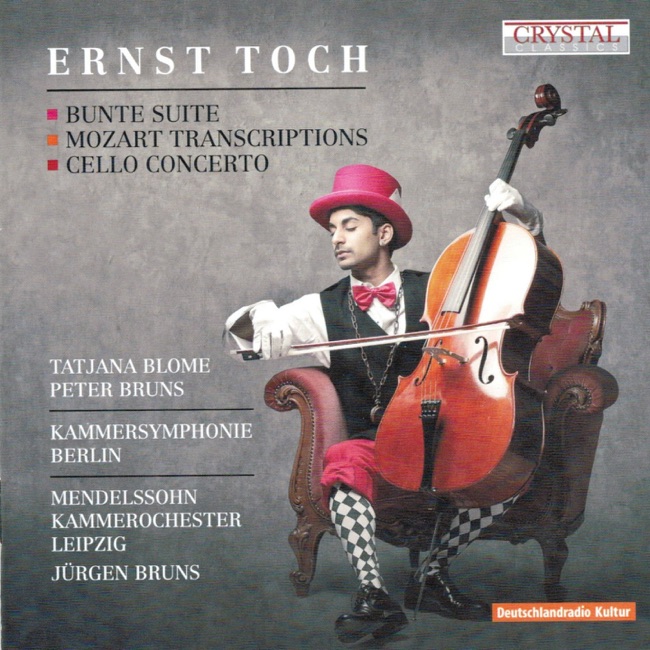 January 8, 2013
 -
 September 1, 2008
 -
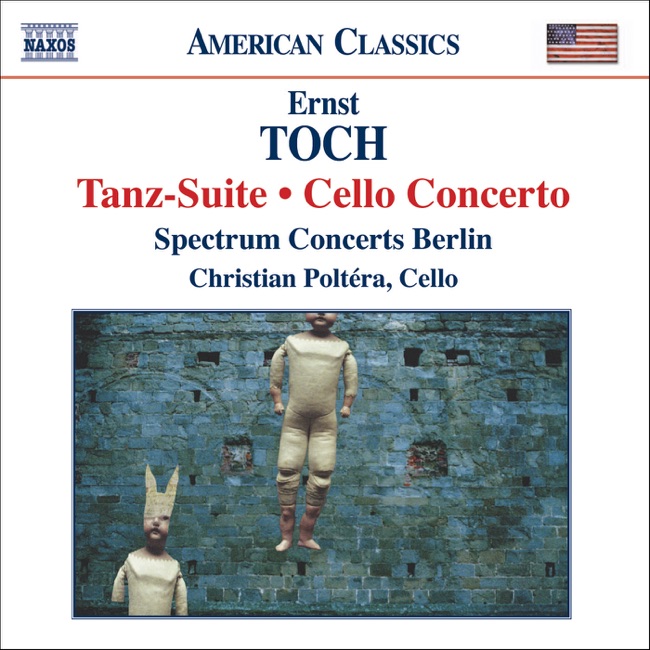 October 30, 2006
 -
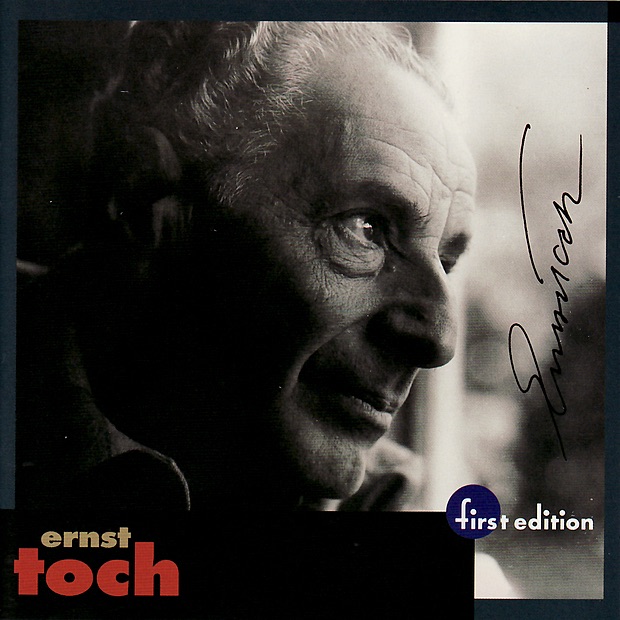 April 19, 2005
Symphony
-
 February 1, 2012
 -
-
-
 March 16, 2004
 -
 April 8, 1997
Keyboard
-
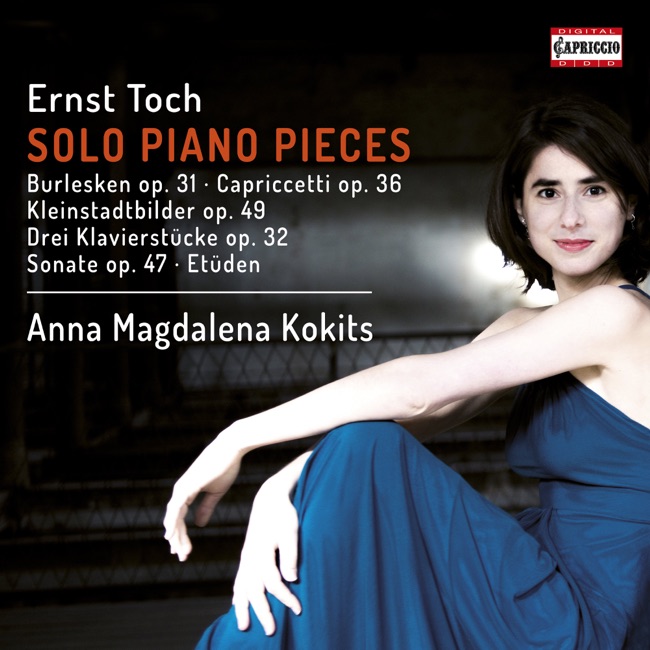 June 2, 2017
 -
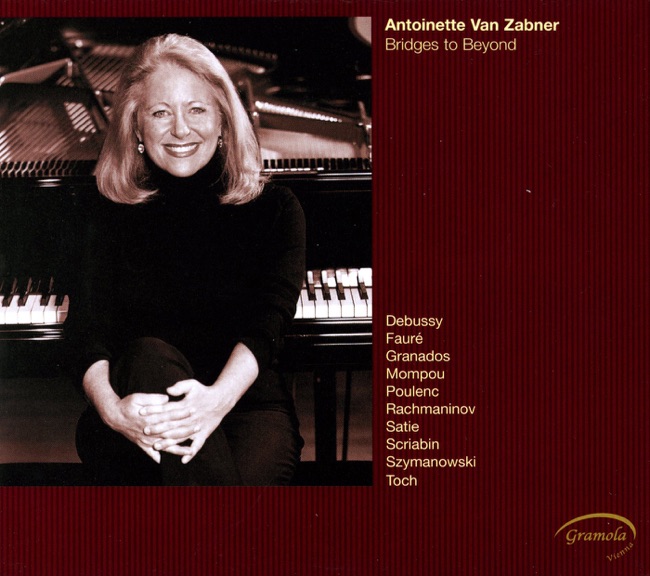 February 17, 2017
 -
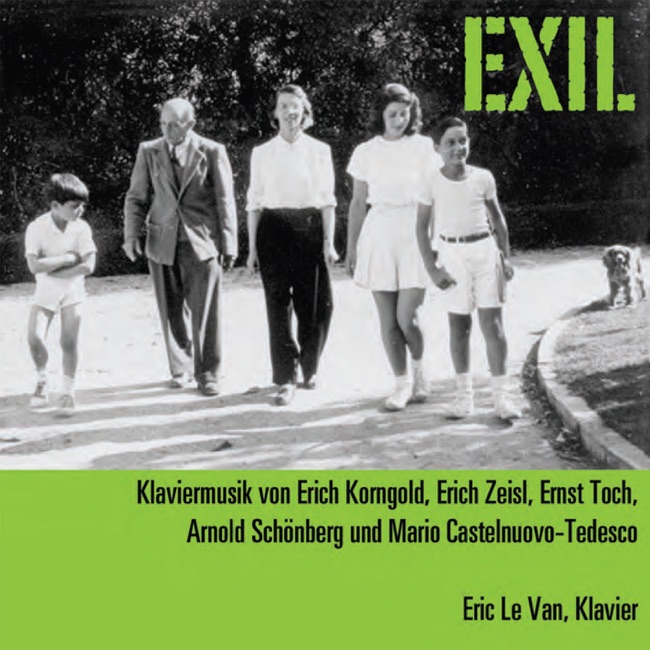 August 27, 2013
 -
 May 1, 2012
 -
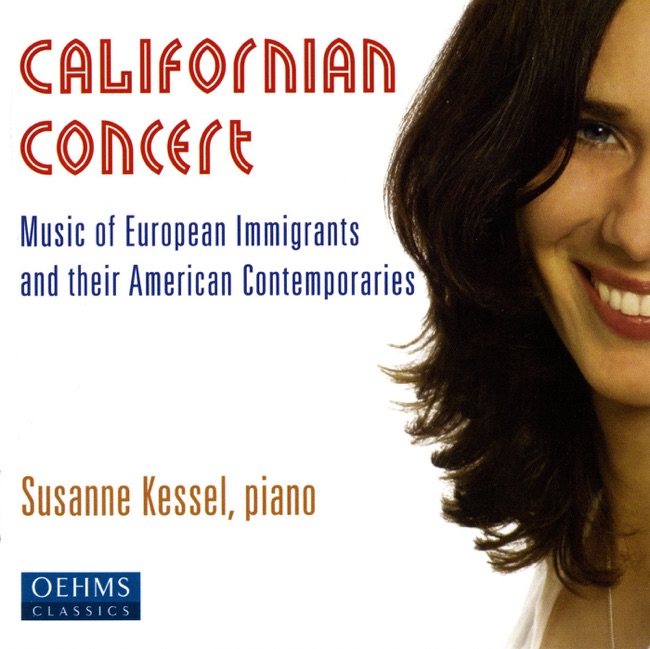
-
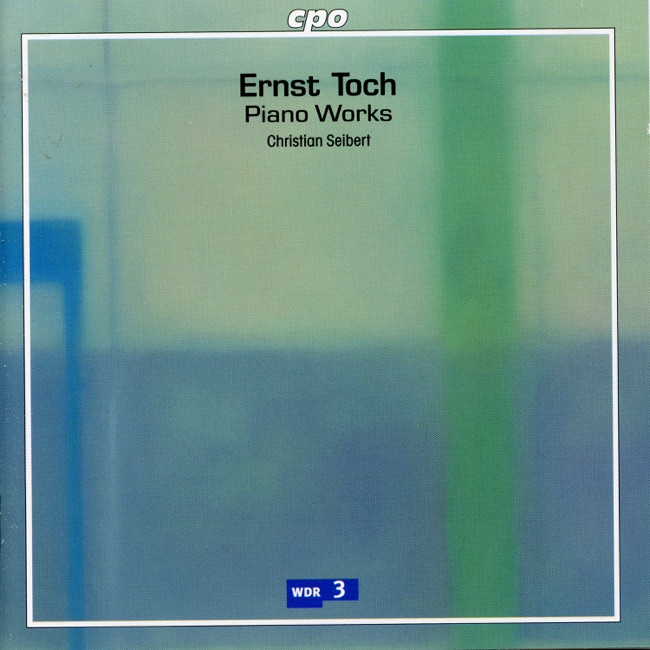 January 18, 2005
Artist Info
Role:ComposerCountry: GermanyBirth:December 7, 1887 in Vienna, AustriaDeath:October 1, 1964 in Los Angeles, CAPeriod:ContemporaryModernGenre:ChamberOrchestralSymphonyErnst Toch was a prominent composer of classical music in the early 20th century. Born on December 7, 1887, in Vienna, Austria, Toch showed an early interest in music and began studying piano and composition at a young age. He attended the Vienna Conservatory, where he studied with some of the most renowned composers of the time, including Arnold Schoenberg and Alexander von Zemlinsky. Toch's early works were heavily influenced by the Viennese tradition of classical music, but he soon began to experiment with new forms and techniques. In 1913, he composed his first major work, the Symphony in E major, which was well-received by critics and established him as a rising star in the world of classical music. During World War I, Toch served in the Austrian army as a medic, but he continued to compose music whenever he had the opportunity. After the war, he returned to Vienna and began to focus on his career as a composer. He composed a number of works during this time, including the opera Die Prinzessin auf der Erbse (The Princess and the Pea), which premiered in 1927 to critical acclaim. In the late 1920s, Toch began to explore new forms of music, including jazz and popular music. He composed a number of works that incorporated elements of these genres, including the Piano Concerto No. 1, which premiered in 1927. This work was notable for its use of syncopated rhythms and jazz-inspired melodies, and it helped to establish Toch as a composer who was willing to experiment with new forms and techniques. In 1933, Toch was forced to flee Austria due to the rise of the Nazi party. He settled in the United States, where he continued to compose music and teach at various universities. During this time, he composed a number of works that reflected his experiences as a refugee and his concerns about the political situation in Europe. One of his most notable works from this period was the Symphony No. 3, which premiered in 1940 and was dedicated to the people of Europe who were suffering under the Nazi regime. Toch continued to compose music throughout the 1940s and 1950s, and he received a number of awards and honors for his work. In 1955, he was awarded the Pulitzer Prize for Music for his Symphony No. 3. He also received a Guggenheim Fellowship in 1950 and was elected to the American Academy of Arts and Letters in 1958. Toch's music is notable for its use of unconventional forms and techniques, as well as its incorporation of elements from a wide range of musical genres. His works often feature complex rhythms and harmonies, as well as unusual instrumentation and vocal techniques. Some of his most notable works include the Piano Concerto No. 2, the String Quartet No. 12, and the opera Der Fächer (The Fan). Ernst Toch died on October 1, 1964, in Santa Monica, California. He is remembered as one of the most innovative and influential composers of the early 20th century, and his music continues to be performed and studied by musicians and scholars around the world.More....
Recent Artist Music
6
Variations on Mozart's "Unser Moebel opines" (K. 455)
Variations about Mozart's "Unser Pöbel meint". K. 455 for piano & orchestra
13:54
7
10:38
Copyright Ⓒ 2013 Davinci Finger. All rights reseved
Service Terms & Policy