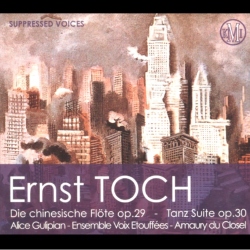
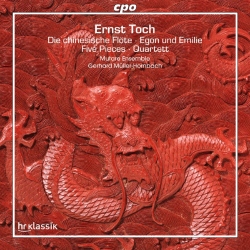
Ernst Toch
The Chinese Flute, Op. 29
Released Album
Recent Album
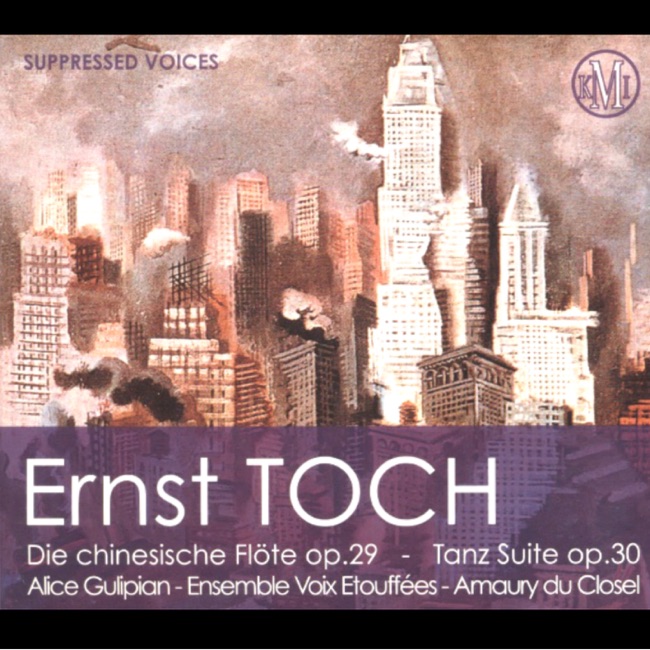
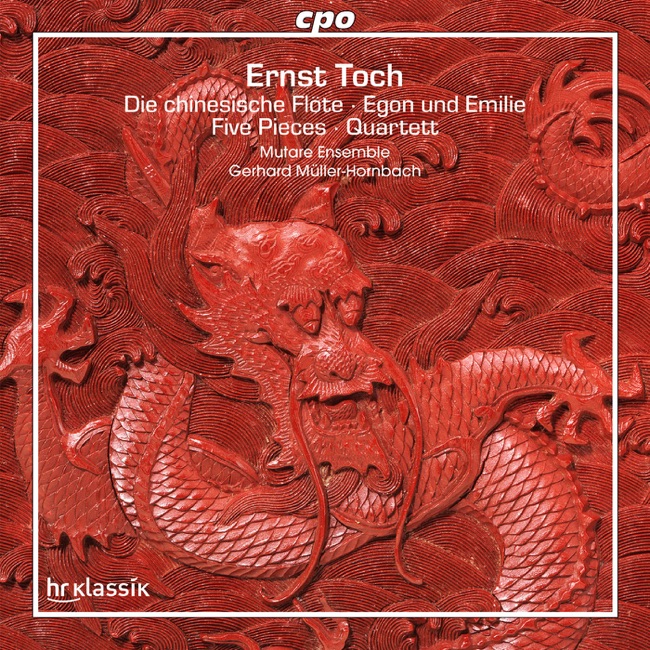
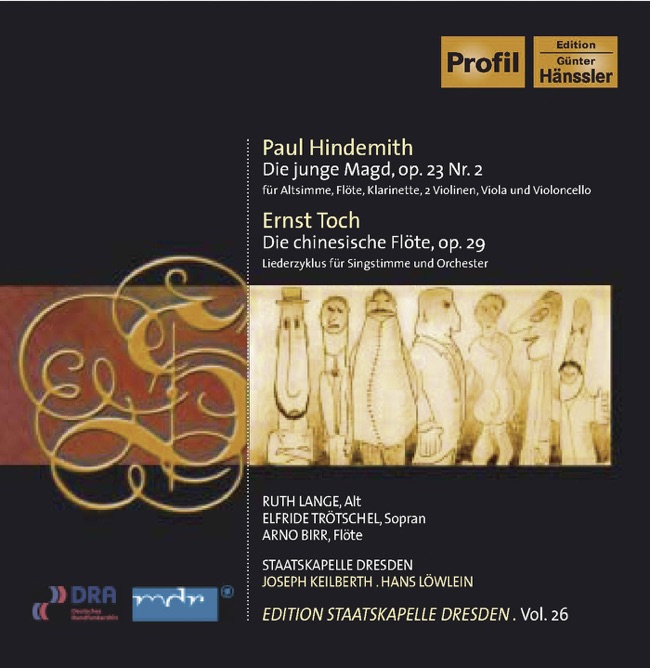
Works Info
Composer:Ernst TochGenre:OrchestralStyle:OrchestralAverage_duration:23:35Movement_count:3Movement ....Ernst Toch's 'The Chinese Flute, Op. 29' is a composition for solo flute and orchestra. It was composed in 1923 and premiered on March 14, 1924, in Berlin, Germany. The piece consists of three movements, each with its own unique characteristics. The first movement, marked Allegro moderato, is characterized by its lively and playful nature. The flute introduces the main theme, which is then taken up by the orchestra. The movement features a call-and-response structure, with the flute and orchestra trading off melodic phrases. The use of pentatonic scales and Chinese-inspired melodies gives the movement a distinctly Eastern flavor. The second movement, marked Andante, is more introspective and contemplative. The flute plays a mournful melody over a lush orchestral accompaniment. The movement is notable for its use of extended techniques, such as flutter-tonguing and harmonics, which add to the ethereal and otherworldly atmosphere. The final movement, marked Allegro con brio, is a lively and energetic dance. The flute and orchestra engage in a spirited dialogue, with the flute playing virtuosic runs and trills. The movement features a driving rhythm and a sense of joyful abandon. Overall, 'The Chinese Flute, Op. 29' is a masterful example of Toch's ability to blend Western and Eastern musical traditions. The piece showcases the flute's versatility and expressive range, while also highlighting Toch's skill as an orchestrator. Its premiere was met with critical acclaim, and it remains a beloved work in the flute repertoire to this day.More....
Works Music
Released Music