


Hildegard von Bingen
Released Album
Choral
-
 October 18, 2024
 -
 September 27, 2024
 -
-
 August 22, 2024
 -
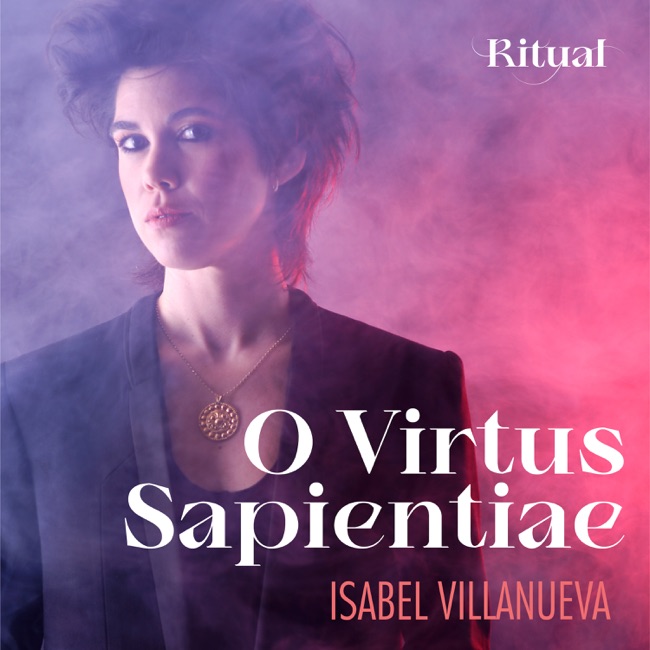 February 2, 2023
 -
 November 18, 2022
Artist Info
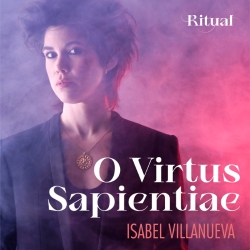
Role:ComposerCountry: GermanyBirth:1098 in Bemersheim, GermanyDeath:September 17, 1179 in Rupertsburg, GermanyPeriod:MedievalGenre:ChoralHildegard von Bingen was a German composer, writer, philosopher, and mystic who lived from 1098 to 1179. She was born in Bermersheim, Germany, to a noble family, and was the tenth child of her parents. At the age of eight, she was sent to the Benedictine monastery of Disibodenberg, where she received her education and training in music. Hildegard showed an early interest in music and began composing at a young age. She was also known for her beautiful singing voice and her ability to play several musical instruments, including the harp and the psaltery. Her musical talent was recognized by her fellow nuns, and she was appointed as the leader of the monastery's choir. In addition to her musical pursuits, Hildegard was also a prolific writer. She wrote several books on theology, medicine, and natural history, as well as a collection of letters and poems. Her most famous work is "Scivias," a theological treatise that describes her visions and mystical experiences. Hildegard's music was heavily influenced by her religious beliefs and her mystical experiences. Her compositions were primarily vocal, and she wrote both sacred and secular music. Her sacred music included hymns, antiphons, and sequences, while her secular music included songs and instrumental pieces. One of Hildegard's most famous compositions is "O Virtus Sapientiae," a hymn to the Holy Spirit. The piece is characterized by its soaring melodies and intricate harmonies, and it is still performed today by choirs around the world. Another notable work is "Ordo Virtutum," a morality play that tells the story of a soul's journey to heaven. The piece is unique in that it is entirely sung, with no spoken dialogue. Hildegard's music was also notable for its use of unconventional scales and modes. She often used the "Hildegardian mode," a scale that is similar to the medieval Dorian mode but with a raised seventh note. This mode gives her music a distinctive sound that sets it apart from other medieval composers. Despite her many accomplishments, Hildegard faced opposition from some members of the church who were skeptical of her mystical experiences and her role as a female composer. However, she persevered and continued to compose and write until her death in 1179. Today, Hildegard von Bingen is recognized as one of the most important composers of the medieval period. Her music and writings continue to inspire and influence musicians and scholars around the world, and her legacy as a pioneering female composer and thinker is celebrated by many.More....
Recent Artist Music



Works Highlight
Recommend Playlist












Copyright Ⓒ 2013 Davinci Finger. All rights reseved
Service Terms & Policy