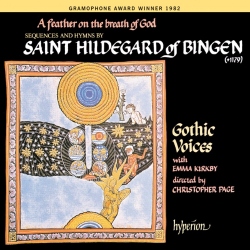
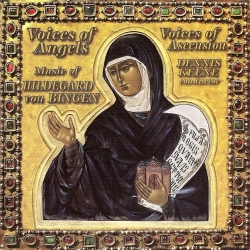
Hildegard von Bingen
Columba aspexit, sequence for St Maximinus
Released Album
Recent Album
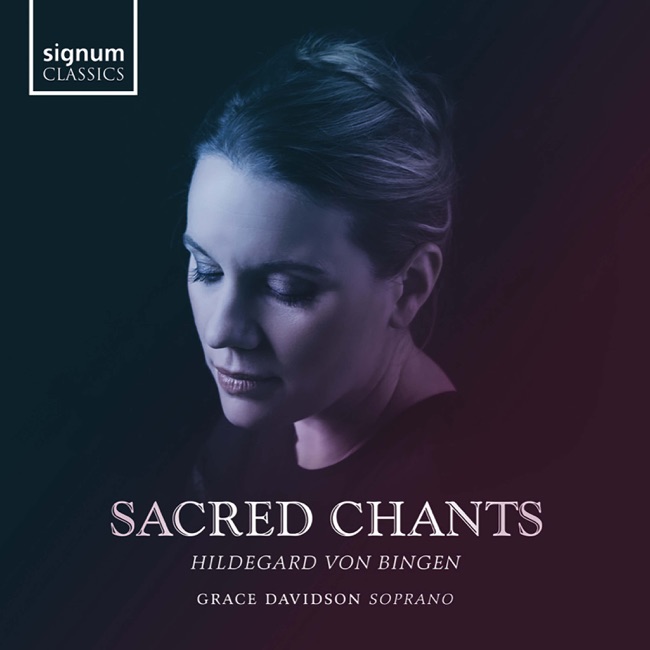





Featured Album
Works Info
Composer:Hildegard von BingenGenre:ChoralStyle:SequenceCompose Date:ca. 1140 - 1179Average_duration:6:17Hildegard von Bingen, a German Benedictine abbess, composed the sequence 'Columba aspexit' in the 12th century. The piece was written for the feast day of St. Maximinus, the patron saint of Trier, Germany. The sequence was first performed in the Abbey of Disibodenberg, where Hildegard was the abbess. The sequence is divided into three movements, each with its own distinct characteristics. The first movement begins with a solo voice singing the opening phrase, "Columba aspexit," which means "the dove looked in." The melody is simple and repetitive, with a rising and falling pattern that creates a sense of longing and anticipation. The text describes the dove, a symbol of the Holy Spirit, looking down upon the earth and choosing Maximinus as its vessel. The second movement is more complex, with multiple voices weaving in and out of each other. The melody is more ornate, with intricate melismas and unexpected intervals. The text describes Maximinus as a shepherd, leading his flock to salvation. The music reflects this pastoral imagery, with a gentle, flowing melody that evokes the peacefulness of the countryside. The final movement is the most dramatic, with a powerful melody and driving rhythm. The text describes Maximinus as a warrior, fighting against the forces of evil. The music reflects this battle imagery, with a sense of urgency and intensity that builds to a climactic finish. Overall, 'Columba aspexit' is a beautiful and complex piece of music that showcases Hildegard's skill as a composer. The sequence is a testament to her devotion to St. Maximinus and her faith in the power of music to convey spiritual truths.More....
Works Music
Released Music


5
1:31
8

6:11
9
6:30
10

6:30
Featured Music