


Collegiate Chorale
Released Album
Symphony
-
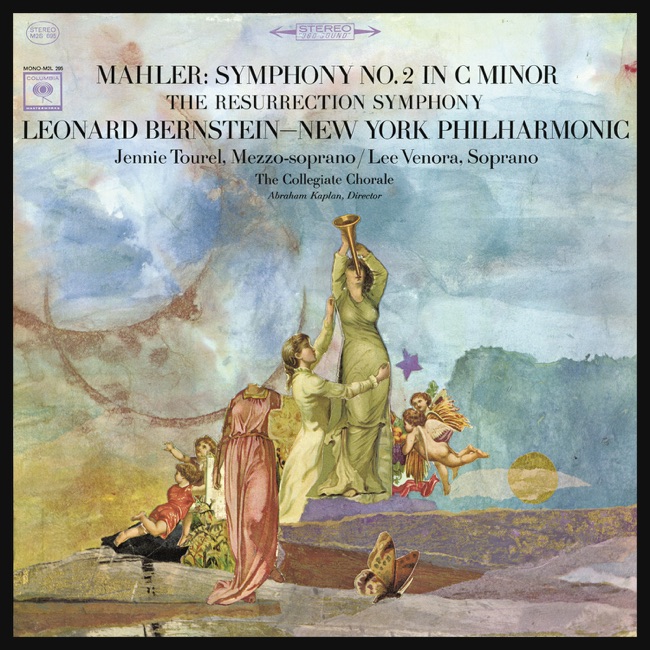 February 16, 2018
 -
 May 11, 2012
 -
-
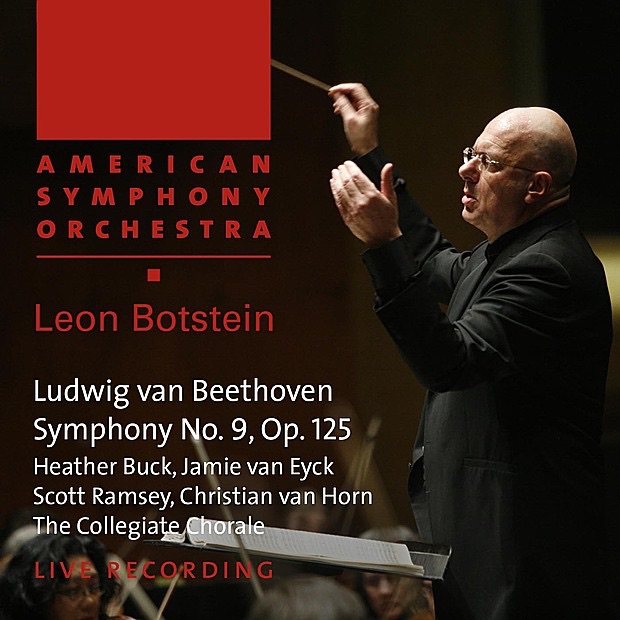 June 21, 2011
 -
 April 14, 2009
 -
Choral
-
 May 17, 2019
 -
 February 18, 1997
Opera
-
 December 16, 2013
Artist Info
Period:RomanticModernGenre:ChoralVocalThe Collegiate Chorale is a classical music ensemble that has been entertaining audiences for over 75 years. Founded in 1941 by Robert Shaw, the group has become known for its exceptional performances of choral music, opera, and musical theater. Robert Shaw, a renowned conductor and choral director, founded the Collegiate Chorale with the goal of creating a professional-level choral ensemble that could perform a wide range of repertoire. The group was initially made up of singers from colleges and universities in the New York City area, but it quickly expanded to include professional singers from across the country. Over the years, the Collegiate Chorale has worked with some of the most celebrated conductors and soloists in the classical music world. In the early years, Shaw led the group in performances of works by Bach, Handel, and Mozart, as well as contemporary composers like Aaron Copland and Samuel Barber. One of the highlights of the Collegiate Chorale's early years was its performance of Handel's "Messiah" at Carnegie Hall in 1944. The concert was a huge success, and it helped establish the group as one of the premier choral ensembles in the country. In the 1950s and 60s, the Collegiate Chorale continued to expand its repertoire, performing works by Beethoven, Brahms, and Verdi, among others. The group also began to collaborate with opera companies, performing in productions of "Carmen," "La Traviata," and "The Marriage of Figaro," among others. One of the most memorable performances in the Collegiate Chorale's history came in 1962, when the group performed in the world premiere of Igor Stravinsky's "Threni" at the Venice Biennale. The piece, which was based on the biblical book of Lamentations, was a challenging work that required the singers to navigate complex rhythms and dissonant harmonies. The Collegiate Chorale's performance was widely praised, and it helped establish the group as a leader in contemporary music. In the 1970s and 80s, the Collegiate Chorale continued to perform a wide range of repertoire, from Bach's "St. Matthew Passion" to Leonard Bernstein's "Mass." The group also began to collaborate with Broadway composers, performing in productions of "Carousel," "South Pacific," and "The Sound of Music." One of the highlights of this period was the Collegiate Chorale's performance of Mahler's "Symphony No. 8" at Carnegie Hall in 1984. The piece, which is often called the "Symphony of a Thousand" because of its large orchestration and choir, was a massive undertaking that required the group to work with several other choirs and orchestras. The performance was a huge success, and it helped establish the Collegiate Chorale as one of the premier choral ensembles in the world. In the 1990s and 2000s, the Collegiate Chorale continued to perform a wide range of repertoire, from Bach's "Mass in B Minor" to John Adams' "On the Transmigration of Souls." The group also began to collaborate with dance companies, performing in productions of "Carmina Burana" and "The Rite of Spring." One of the highlights of this period was the Collegiate Chorale's performance of Verdi's "Requiem" at Avery Fisher Hall in 2003. The piece, which is one of the most challenging works in the choral repertoire, was a huge success, and it helped establish the group as one of the premier choral ensembles in the country.More....
Recent Artist Music
10
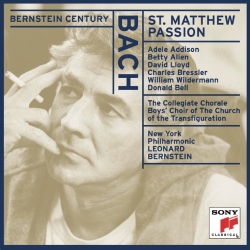
St Matthew Passion, BWV 244
Part II, No. 78: Double Chorus 'In Deepest Grief, Here Sit We Weeping'
9:6
Copyright Ⓒ 2013 Davinci Finger. All rights reseved
Service Terms & Policy