


Eustache du Caurroy
Released Album
Choral
-
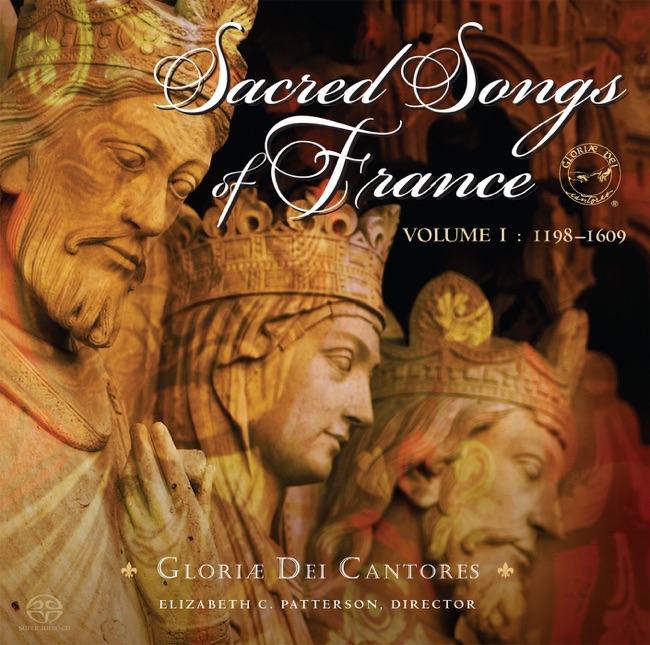 December 1, 2012
 -
 March 30, 2010
 -
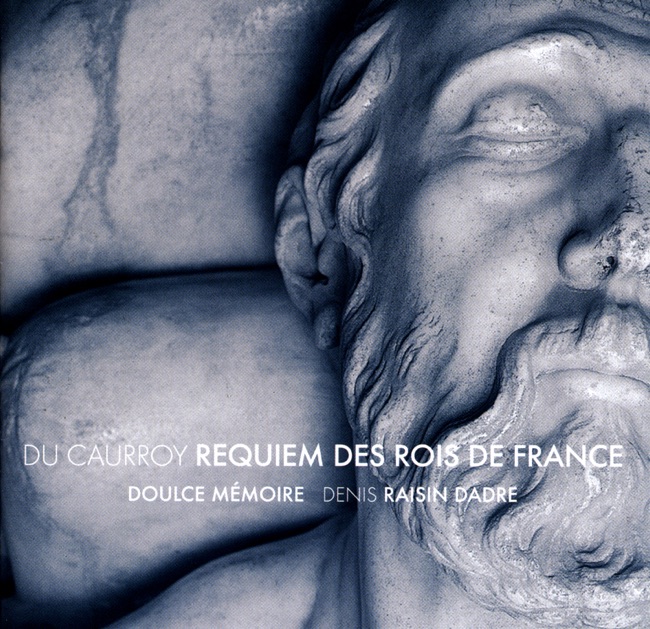 October 28, 2008
 -
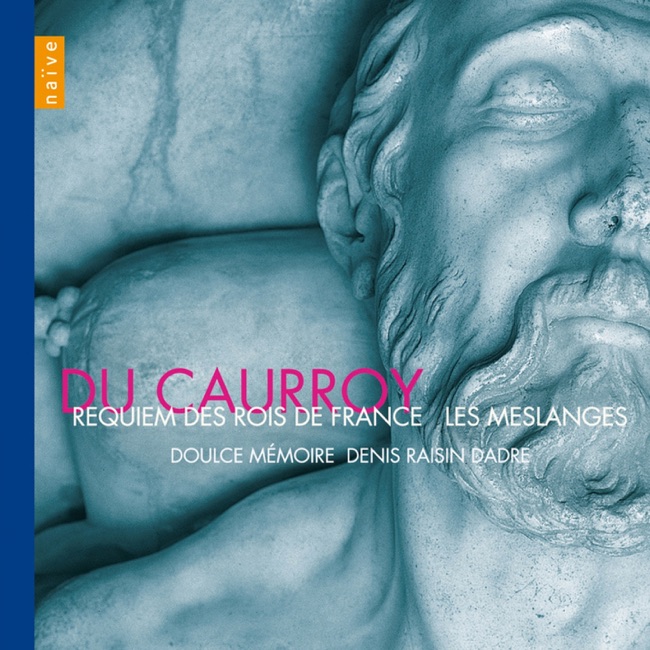 September 15, 2008
 -
 January 2, 2007
 -
Chamber
-
 February 10, 2009
Vocal
-
 February 21, 2006
Artist Info
Role:ComposerCountry: FranceBirth:January, 1549 in GerberoyDeath:August 7, 1609 in Paris, FrancePeriod:RenaissanceGenre:ChoralVocalEustache du Caurroy was a French composer of the Renaissance period, born in 1549 in Gerberoy, France. He was the son of a musician and was raised in a musical family. His father, Jean du Caurroy, was a singer and composer, and his mother, Marie de La Guesle, was a harpist. Eustache du Caurroy showed an early interest in music and began his musical education at a young age. Du Caurroy's musical education began with his father, who taught him to sing and play the lute. He also received training in music theory and composition from the renowned composer Claude Le Jeune. Du Caurroy's talent for music was evident from an early age, and he quickly became known for his skill as a composer. Du Caurroy's early compositions were primarily vocal works, including motets and chansons. His first published work was a collection of chansons, which was well-received by critics and helped establish his reputation as a composer. Du Caurroy's music was characterized by its complex harmonies and use of counterpoint, which was a hallmark of the Renaissance period. In 1584, du Caurroy was appointed as the court composer to King Henry III of France. This was a significant honor, as it gave him access to the royal court and allowed him to compose music for the king and his courtiers. Du Caurroy's compositions for the court were varied, including both vocal and instrumental works. One of du Caurroy's most famous works is his Missa pro defunctis, which was composed in memory of King Henry III's brother, Francis, Duke of Anjou. The mass is a somber and reflective work, with du Caurroy's use of polyphony and complex harmonies creating a sense of depth and emotion. The Missa pro defunctis is considered one of the finest examples of Renaissance choral music. Du Caurroy's other notable works include his motets, which were composed for the royal chapel. These works were often performed during religious services and were highly regarded for their beauty and complexity. Du Caurroy's instrumental works were also well-regarded, with his keyboard music being particularly notable. Despite his success as a composer, du Caurroy's life was not without its challenges. He suffered from poor health throughout his life, and his financial situation was often precarious. He also faced criticism from some quarters for his use of complex harmonies and counterpoint, which some felt were too difficult for the average listener to appreciate. Despite these challenges, du Caurroy continued to compose music throughout his life. He remained at the royal court until his death in 1609, and his music continued to be performed and admired long after his death. Today, du Caurroy is remembered as one of the greatest composers of the Renaissance period, with his music continuing to inspire and delight audiences around the world.More....
Recent Artist Music
1
5:52
6
6:32
8
1:48

Copyright Ⓒ 2013 Davinci Finger. All rights reseved
Service Terms & Policy