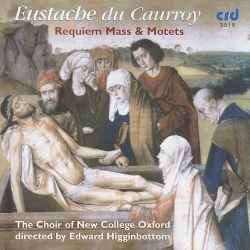
Eustache du Caurroy
Missa pro defunctis
Released Album
Recent Album
Works Info
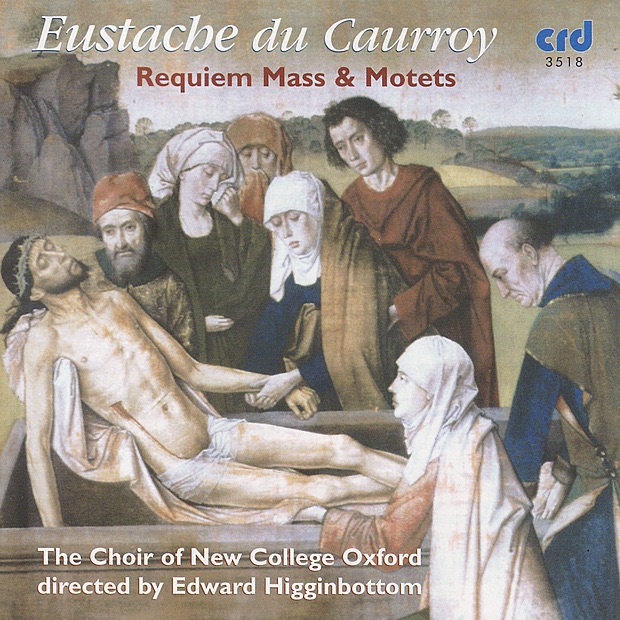
Composer:Eustache du CaurroyGenre:ChoralStyle:MassAverage_duration:45:35Eustache du Caurroy's 'Missa pro defunctis' is a masterpiece of Renaissance choral music. Composed in the late 16th century, it was first performed in 1609 at the funeral of King Henry IV of France. The mass is divided into six movements, each with its own distinct character and musical style. The first movement, the Introit, is a somber and mournful piece that sets the tone for the entire mass. It features a slow, chant-like melody sung by the choir, accompanied by a simple organ accompaniment. The second movement, the Kyrie, is a polyphonic setting of the traditional Kyrie eleison text. It features intricate vocal harmonies and a lively, rhythmic melody that contrasts with the solemnity of the Introit. The third movement, the Gradual, is a solo piece sung by a tenor or baritone soloist. It is a beautiful and expressive aria that showcases the soloist's vocal range and emotional depth. The fourth movement, the Sequence, is a long and complex piece that features a series of musical variations on the Dies Irae text. It is a dramatic and powerful movement that builds to a climactic finale. The fifth movement, the Offertory, is a short and simple piece that features a solo voice accompanied by a gentle organ accompaniment. It is a peaceful and reflective moment in the mass. The final movement, the Communion, is a polyphonic setting of the Lux Aeterna text. It is a joyful and uplifting piece that celebrates the eternal life of the deceased. Overall, 'Missa pro defunctis' is a masterful work of Renaissance choral music that showcases du Caurroy's skill as a composer. Its six movements each have their own distinct character and musical style, creating a rich and varied musical experience for the listener.More....
Works Music
Released Music