


Nicolaus Bruhns
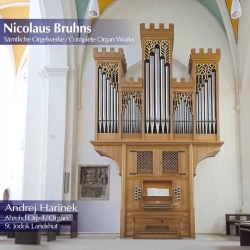
Released Album
Keyboard
-
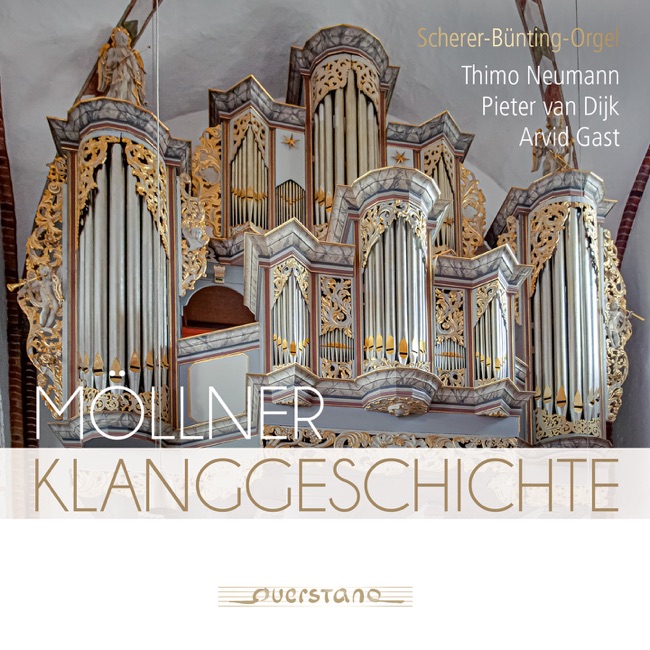 January 3, 2025
 -
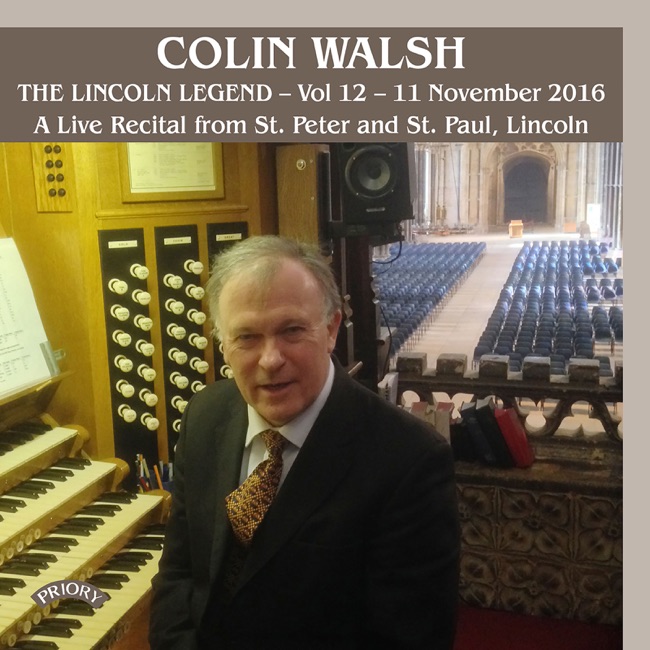 August 5, 2022
 -
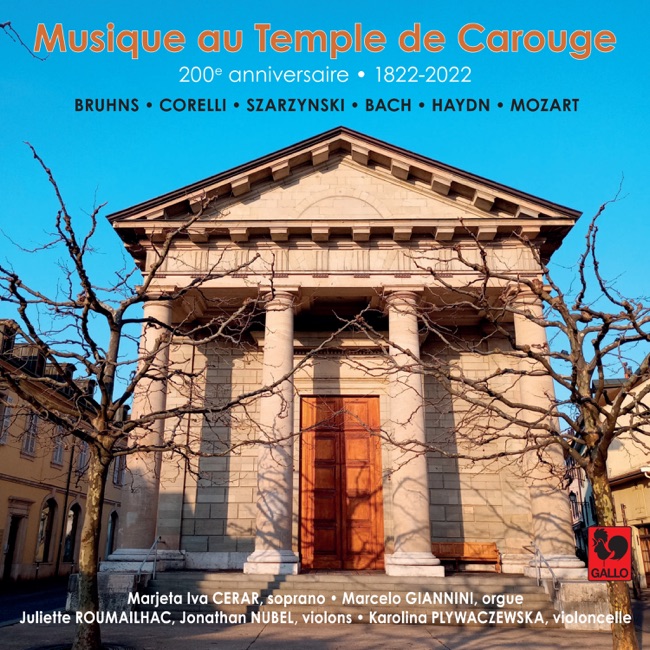 May 24, 2022
 -
 March 4, 2022
 -
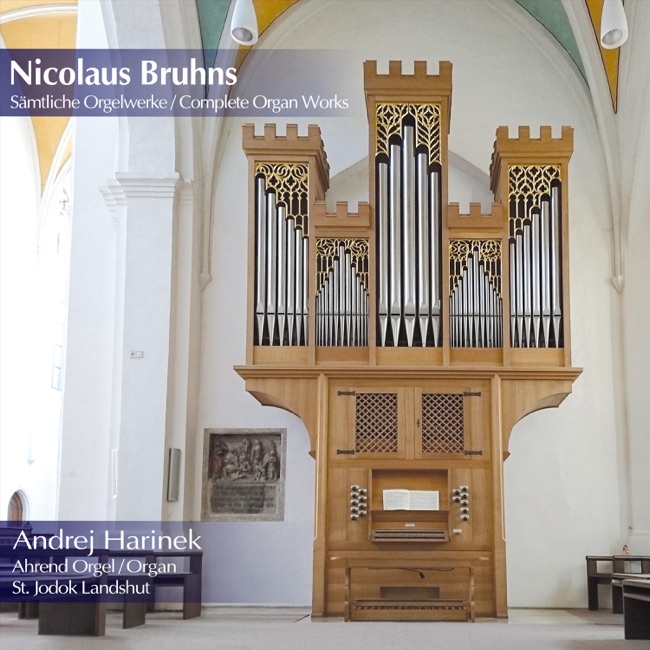 August 15, 2021
 -
 July 9, 2021
Choral
-
 March 11, 2022
 -
 September 30, 2014
 -
 January 2, 2012
 -
 September 7, 2010
 -
 July 10, 2007
Vocal
-
 July 1, 2022
 -
 February 4, 2022
 -
 July 1, 2016
 -
 August 28, 2012
 -
 March 9, 2010
 -
Artist Info
Role:ComposerCountry: GermanyBirth:1665 in Schwabstedt, GermanyDeath:March 29, 1697 in Husum, GermanyPeriod:BaroqueGenre:ChoralKeyboardVocalNicolaus Bruhns was a German composer and organist who lived during the Baroque period. He was born on December 6, 1665, in Schwabstedt, a small town in the Duchy of Schleswig. His father, Paul Bruhns, was also a musician and served as the town's organist. Nicolaus showed an early interest in music and began his musical education under his father's guidance. In 1682, at the age of 17, Bruhns moved to Hamburg to study with the renowned organist and composer Johann Adam Reincken. Reincken was one of the most important musicians of his time and had a significant influence on Bruhns' musical development. Under Reincken's tutelage, Bruhns became an accomplished organist and composer. In 1689, Bruhns was appointed as the organist at the St. Mary's Church in Husum, a small town in Schleswig-Holstein. He remained in this position for the rest of his life and became one of the most respected musicians in the region. During his time in Husum, Bruhns composed a significant amount of music, including vocal works, chamber music, and organ music. One of Bruhns' most famous works is his cantata "Jauchzet dem Herrn alle Welt" (Shout for joy to the Lord, all the earth). This work is scored for soprano, alto, tenor, and bass soloists, choir, and orchestra. It is a joyful and exuberant piece that showcases Bruhns' skill as a composer. The cantata is divided into six movements, each of which is based on a biblical text. The work is notable for its use of counterpoint and its intricate vocal writing. Another significant work by Bruhns is his Prelude in E minor for organ. This piece is one of the most famous organ works of the Baroque period and is still frequently performed today. The Prelude is a virtuosic piece that showcases the capabilities of the organ. It is characterized by its fast tempo, intricate ornamentation, and use of pedal tones. Bruhns' music is notable for its emotional depth and expressiveness. His works often feature complex harmonies and intricate counterpoint, which give them a rich and complex texture. Bruhns was also known for his use of chromaticism, which was a relatively new technique at the time. His music was highly influential and had a significant impact on the development of Baroque music. Despite his talent and success as a musician, Bruhns' life was cut short. He died on March 29, 1697, at the age of 31. The cause of his death is unknown, but it is believed that he may have died from tuberculosis. Despite his short life, Bruhns left behind a significant body of work that continues to be admired and performed today. In conclusion, Nicolaus Bruhns was a talented composer and organist who made significant contributions to the development of Baroque music. His music is characterized by its emotional depth, intricate counterpoint, and use of chromaticism. Although his life was cut short, Bruhns left behind a significant legacy that continues to be celebrated today.More....
Recent Artist Music
6
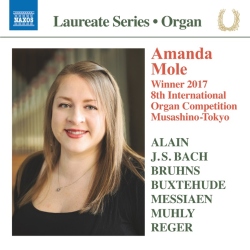
Now come the savior of the heathen, chorale for organ
Nun komm der Heiden Heiland (Chorale Fantasia)
11:7
7
9:23
8
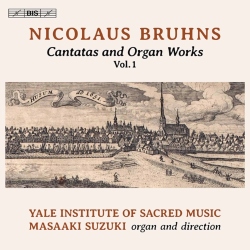
The Profundis Clamavi
De Profundis, Sacred concerto for bass, two violins and basso continuo
13:57
11
7:7

Copyright Ⓒ 2013 Davinci Finger. All rights reseved
Service Terms & Policy