


Nicolaus Bruhns
Nun Komm der Heiden Heiland, chorale for organ
Released Album
Recent Album
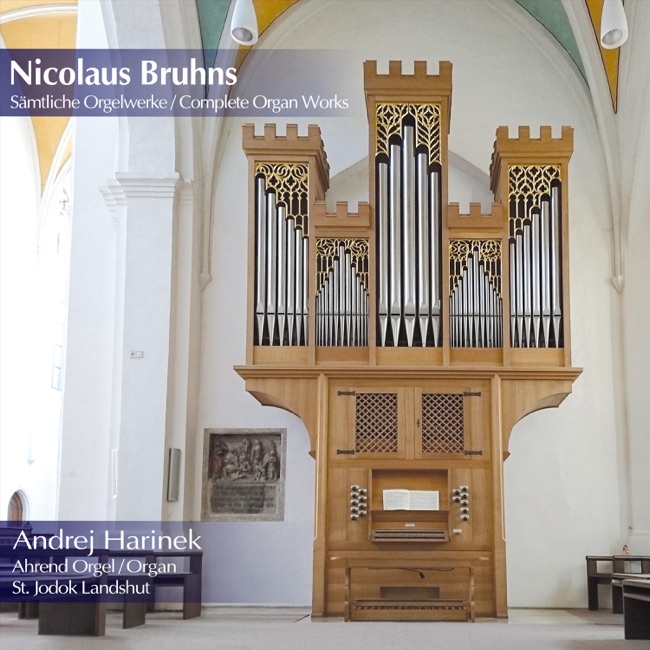
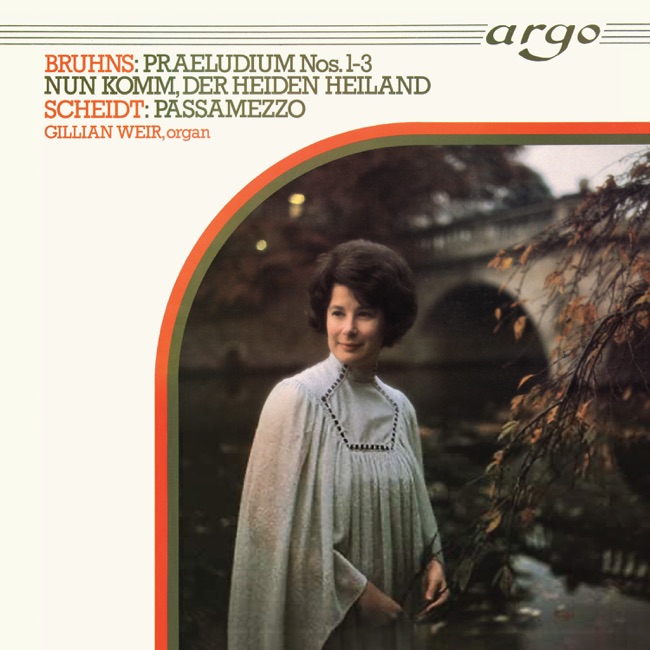
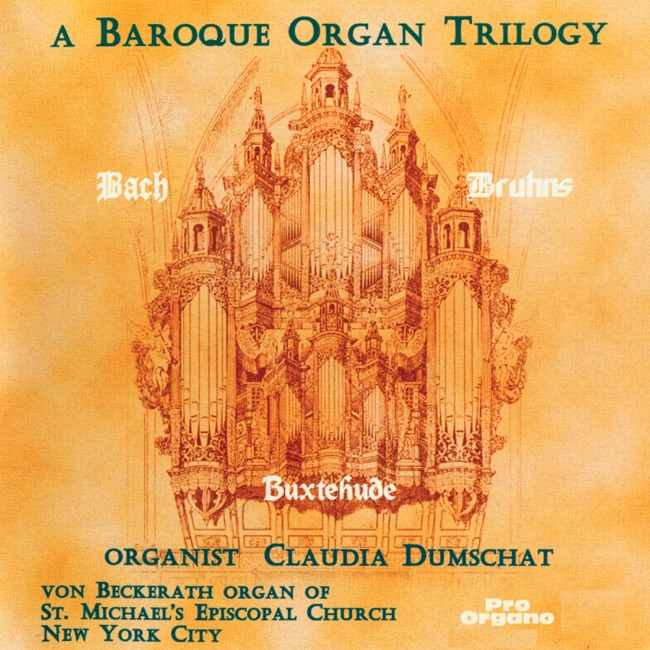
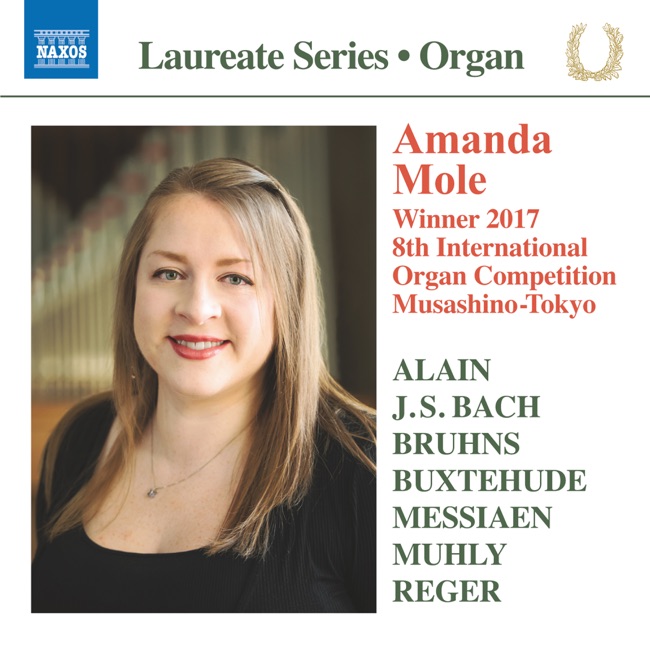
Featured Album
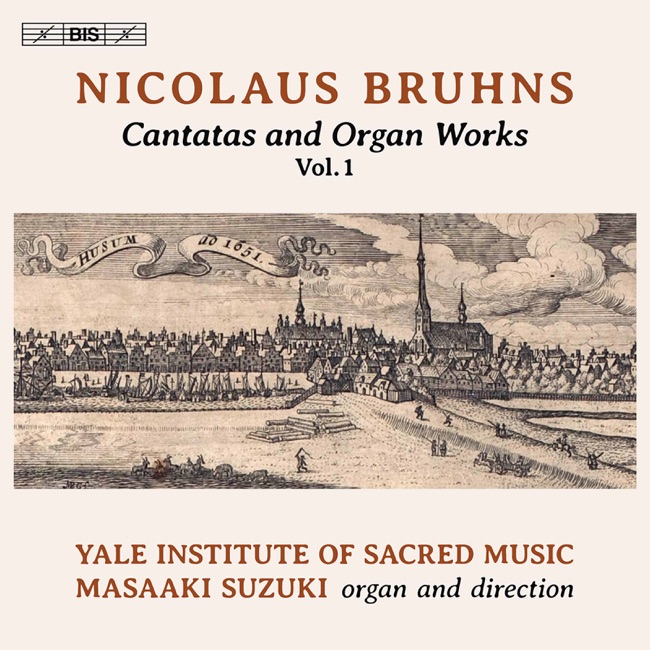
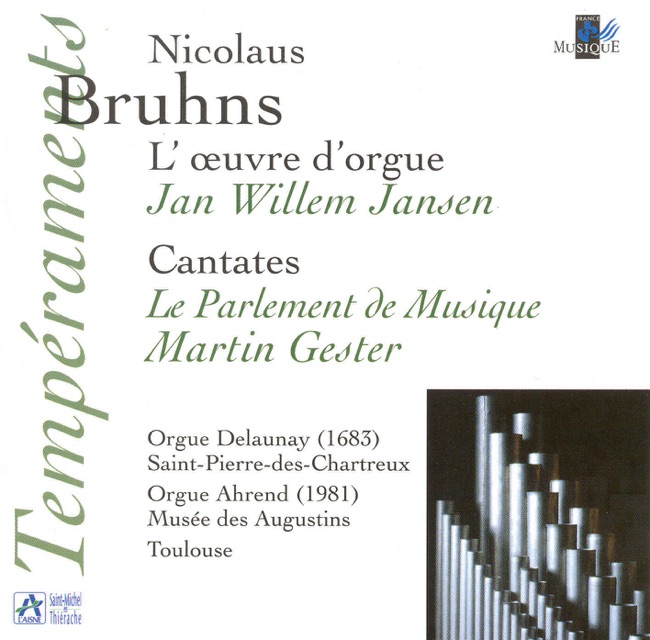
Works Info
Composer:Nicolaus BruhnsGenre:KeyboardStyle:Chorale PreludeCompose Date:ca. 1690Average_duration:11:23Nicolaus Bruhns was a German Baroque composer and organist who lived from 1665 to 1697. He was born in Schwabstedt, Schleswig-Holstein, and was the son of a Lutheran pastor. Bruhns was a student of the famous Danish-German composer and organist Dieterich Buxtehude, who was also his father-in-law. Bruhns' compositions are known for their virtuosity and expressiveness, and he is considered one of the most important composers of the North German Baroque. One of Bruhns' most famous works is his chorale prelude "Nun Komm der Heiden Heiland" (Now Come, Savior of the Heathens), which was composed for organ. The piece is based on a Lutheran hymn of the same name, which was written by Martin Luther in the early 16th century. The hymn is a Advent hymn, and its text reflects the anticipation of the coming of Christ. Bruhns' chorale prelude is composed of four movements, each of which is based on a different verse of the hymn. The first movement is a prelude, which sets the mood for the piece and introduces the main theme. The second movement is a fugue, which is based on the first verse of the hymn. The fugue is characterized by its complex counterpoint and virtuosic organ writing. The third movement is a trio, which is based on the second verse of the hymn. The trio is characterized by its delicate and expressive writing, and features a solo melody played on the organ's flute stop. The final movement is a chorale, which is based on the fourth verse of the hymn. The chorale is a simple and straightforward setting of the hymn, and features the melody played on the organ's trumpet stop. Bruhns' chorale prelude "Nun Komm der Heiden Heiland" was premiered during his lifetime, and it quickly became one of his most popular works. The piece is still widely performed today, and is considered a masterpiece of the North German Baroque. Its virtuosic organ writing and expressive melodies make it a favorite among organists and audiences alike.More....
Works Music
Released Music
1
11:32
2
12:58
3
9:31
4
Now come the savior of the heathen, chorale for organ
Nun komm der Heiden Heiland (Chorale Fantasia)
11:7
5
9:
7
9:42
10
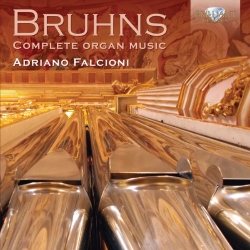
Now come the savior of the heathen, chorale for organ
Chorale Fantasia: "Nun komm, der Heiden Heiland"
9:42
Featured Music
1
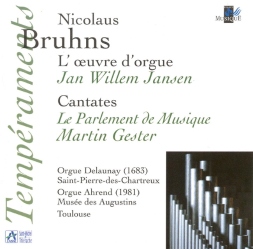
10:40
2
10:6
3
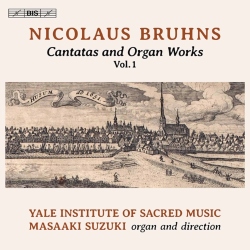
Now come the savior of the heathen, chorale for organ
Nun Komm, Der Heiden Heiland, Chorale fantasia for organ solo
10:24