Nicolaus Bruhns
Praeludium in G
Released Album
Recent Album
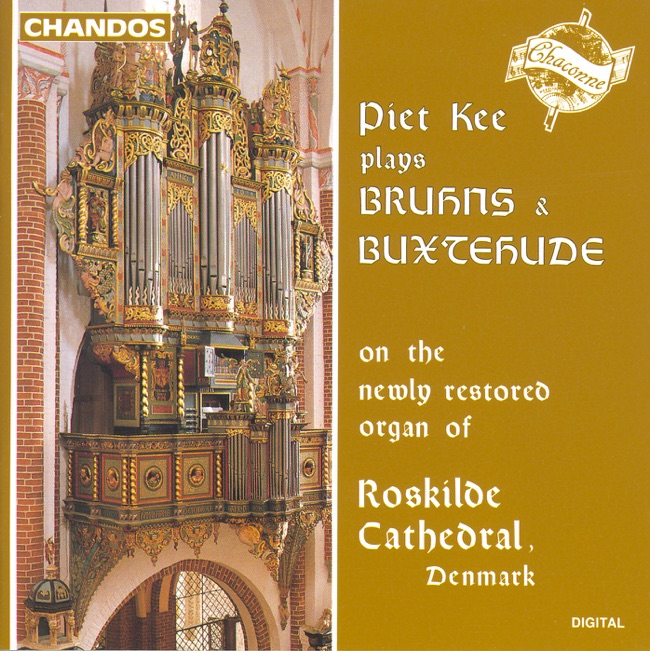
Works Info
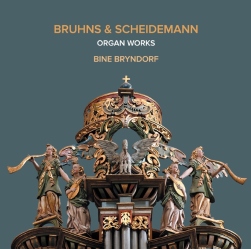
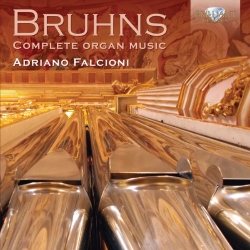
Composer:Nicolaus BruhnsGenre:KeyboardStyle:PreludeAverage_duration:9:05Nicolaus Bruhns was a German Baroque composer and organist who lived from 1665 to 1697. He was born in Schwabstedt, Schleswig-Holstein, and was the son of a Lutheran pastor. Bruhns was a student of the famous Danish-German composer and organist Dieterich Buxtehude, who was also his father-in-law. Bruhns is known for his organ music, which is characterized by its virtuosity and expressiveness. One of Bruhns' most famous works is his "Praeludium in G," which was composed for the organ. The piece is believed to have been written around 1690, during Bruhns' time as the organist at the St. Mary's Church in Lübeck, Germany. The "Praeludium in G" is a prelude in the key of G major, and it is one of Bruhns' most popular works. The "Praeludium in G" is a single-movement work that is divided into three sections. The first section is marked "Adagio," and it features a slow, stately melody that is played on the organ's manuals. The second section is marked "Allegro," and it is a fast, lively section that features a virtuosic organ solo. The third section is marked "Adagio," and it returns to the slow, stately melody of the first section. The "Praeludium in G" is characterized by its virtuosity and expressiveness. The piece features complex harmonies and intricate counterpoint, and it requires a skilled organist to perform it effectively. The slow, stately melody of the first and third sections is contrasted by the fast, virtuosic solo of the second section, which showcases the organ's capabilities. The "Praeludium in G" was premiered during Bruhns' time as the organist at St. Mary's Church in Lübeck. The piece has since become one of Bruhns' most famous works, and it is still performed by organists today. The "Praeludium in G" is a testament to Bruhns' skill as a composer and organist, and it remains a beloved work of the Baroque era.More....
Works Music
Released Music