


Nicolaus Bruhns
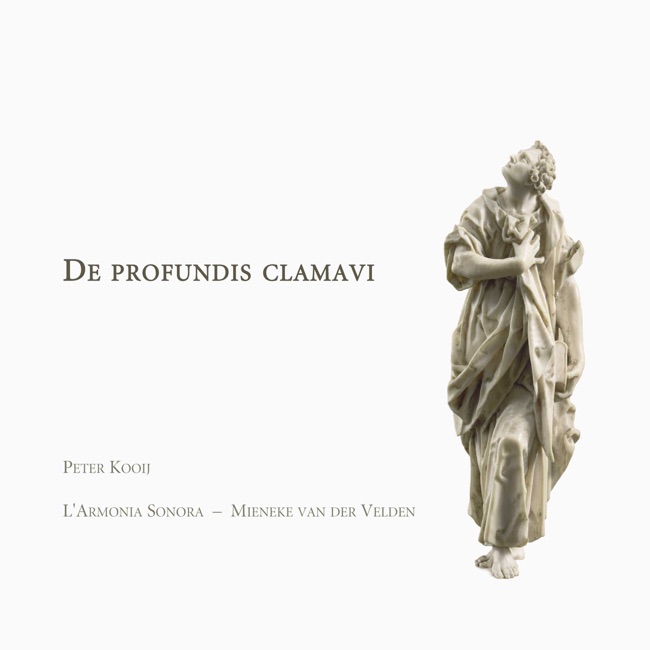
De Profundis Clamavi
Released Album
Recent Album






Featured Album

Works Info
Composer:Nicolaus BruhnsGenre:ChoralStyle:RequiemAverage_duration:13:16De Profundis Clamavi is a sacred vocal work composed by Nicolaus Bruhns, a German Baroque composer and organist. The piece was composed in the late 17th century and is considered one of Bruhns' most significant works. It was premiered in the St. Mary's Church in Lübeck, Germany, where Bruhns served as the organist. The composition is divided into five movements, each of which is based on a verse from Psalm 130. The first movement, "De Profundis Clamavi," begins with a solo voice singing the opening words of the psalm, "Out of the depths I cry to you, O Lord." The choir then joins in, creating a powerful and dramatic effect. The second movement, "Fiant Aures Tuae," is a duet for two sopranos, accompanied by the organ. The third movement, "Si Iniquitates Observaveris," is a bass solo with a virtuosic organ accompaniment. The fourth movement, "Quia Apud Te Propitiatio Est," is a trio for alto, tenor, and bass, with a simple and elegant organ accompaniment. The final movement, "A Custodia Matutina Usque Ad Noctem," is a full choir and organ setting of the final verse of the psalm. The characteristics of De Profundis Clamavi are typical of Baroque sacred music. The piece is highly expressive, with dramatic contrasts between the solo and choral sections. The use of solo voices and duets adds variety and interest to the work, while the virtuosic organ accompaniment showcases Bruhns' skills as an organist. The text is set in a clear and straightforward manner, with the music serving to enhance the meaning of the words. Overall, De Profundis Clamavi is a powerful and moving work that showcases Bruhns' talents as a composer and organist.More....
Works Music
Released Music






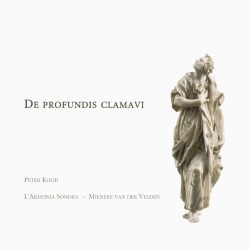
Featured Music

2
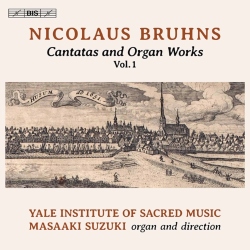
The Profundis Clamavi
De Profundis, Sacred concerto for bass, two violins and basso continuo
13:57