


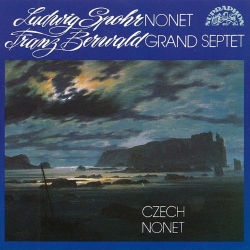
Czech Nonet
Released Album
Chamber
-
-
-
-
-
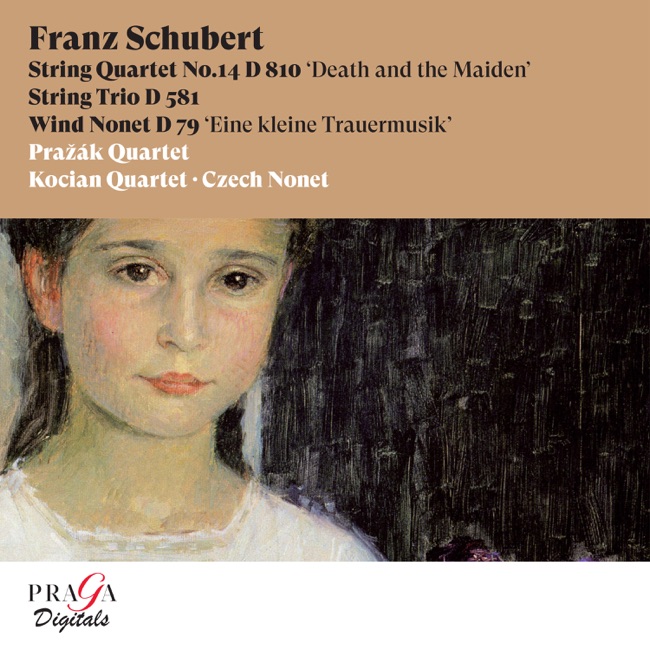 May 1, 2000
 -
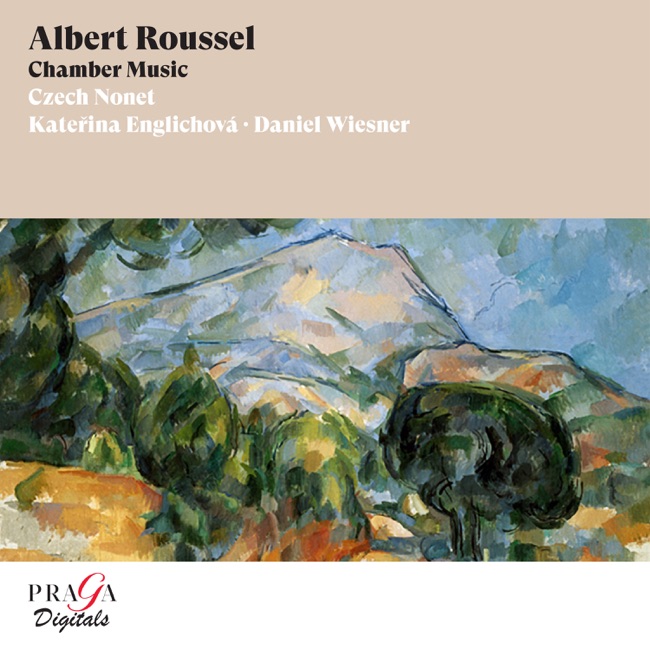 September 1, 1995
Orchestral
-
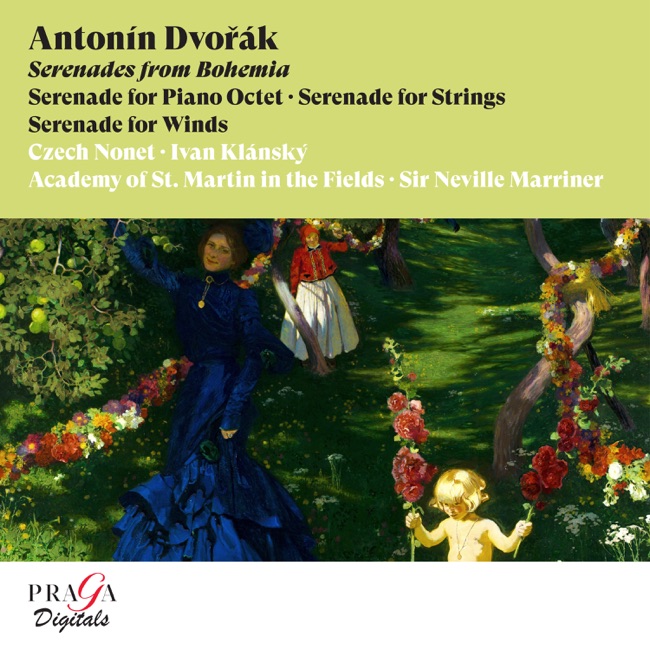 April 7, 2017
 -
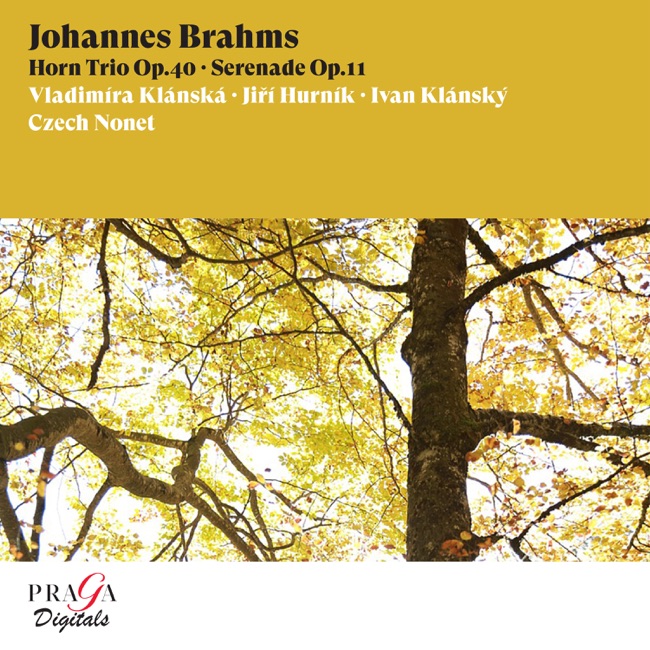 February 1, 2000
 -
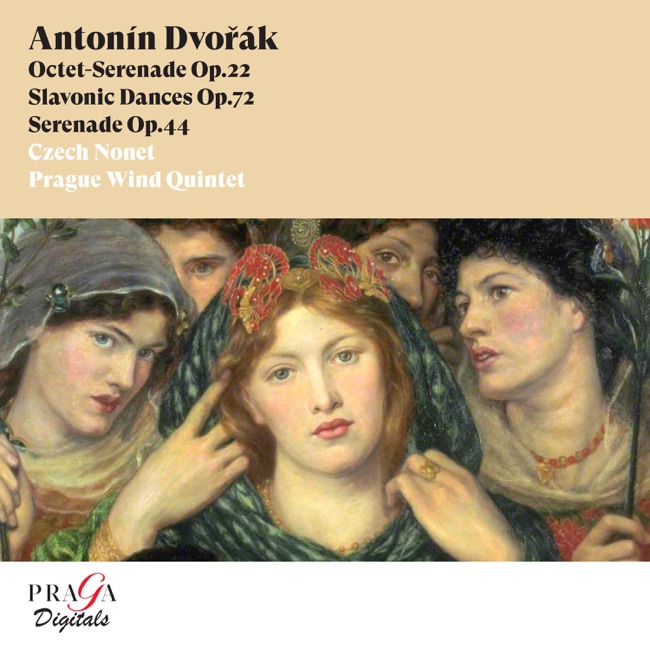 April 1, 1999
 -
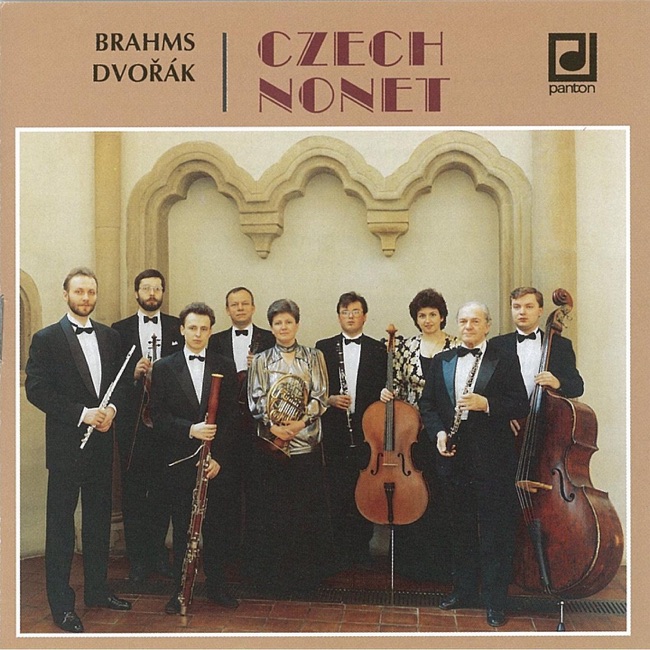 January 1, 1994
Artist Info
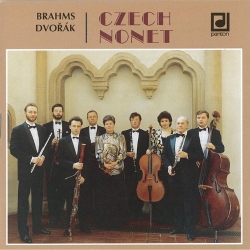
Role:EnsembleGenre:ChamberOrchestralThe Czech Nonet is a classical music ensemble that was founded in 1924 in Prague, Czechoslovakia. The ensemble is made up of nine musicians who play a variety of instruments, including clarinet, bassoon, French horn, violin, viola, cello, double bass, and piano. The Czech Nonet is known for its unique sound and its ability to blend the different instruments together to create a harmonious and beautiful sound. The founding members of the Czech Nonet were all students at the Prague Conservatory. They were inspired by the success of the Czech Quartet, which had gained international recognition for its performances of Czech music. The founding members of the Czech Nonet wanted to create a similar ensemble that would focus on chamber music and showcase the talents of Czech musicians. The original members of the Czech Nonet were František Čech (clarinet), Karel Bidlo (bassoon), Karel Štědrý (French horn), Josef Vlach (violin), Václav Snítil (violin), Josef Kodousek (viola), Ladislav Černý (cello), Jaroslav Kulhan (double bass), and Josef Palenicek (piano). These musicians were all accomplished performers and had a deep love for chamber music. The Czech Nonet quickly gained a reputation for its exceptional performances and its dedication to promoting Czech music. The ensemble performed throughout Czechoslovakia and Europe, and its performances were always well-received. The Czech Nonet also recorded several albums, which helped to spread its music to a wider audience. One of the highlights of the Czech Nonet's career was its performance at the 1935 International Society for Contemporary Music festival in Prague. The ensemble performed works by Czech composers, including Bohuslav Martinů and Josef Suk, and received a standing ovation from the audience. This performance helped to establish the Czech Nonet as one of the premier chamber music ensembles in Europe. During World War II, the Czech Nonet was forced to disband due to the Nazi occupation of Czechoslovakia. Several of the members were arrested and sent to concentration camps, and the ensemble was unable to perform for several years. However, after the war ended, the surviving members of the Czech Nonet reunited and began performing again. In the years following World War II, the Czech Nonet continued to perform and record music. The ensemble also began to tour internationally, performing in countries such as the United States, Canada, and Japan. The Czech Nonet's performances were always well-received, and the ensemble gained a loyal following of fans around the world. One of the most notable performances by the Czech Nonet was its 1958 performance at the Edinburgh Festival. The ensemble performed works by Czech composers, including Antonín Dvořák and Leoš Janáček, and received rave reviews from critics. The performance helped to introduce Czech music to a wider audience and cemented the Czech Nonet's reputation as one of the premier chamber music ensembles in the world. Over the years, the members of the Czech Nonet changed as some members retired and new members joined. However, the ensemble's dedication to promoting Czech music and its commitment to excellence remained unchanged. The Czech Nonet continued to perform and record music, and its performances were always highly anticipated by fans and critics alike. In recognition of its contributions to Czech music, the Czech Nonet was awarded the Czech State Prize in 1964.More....
Recent Artist Music
4
5:40
11
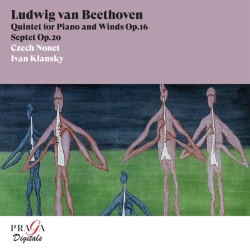
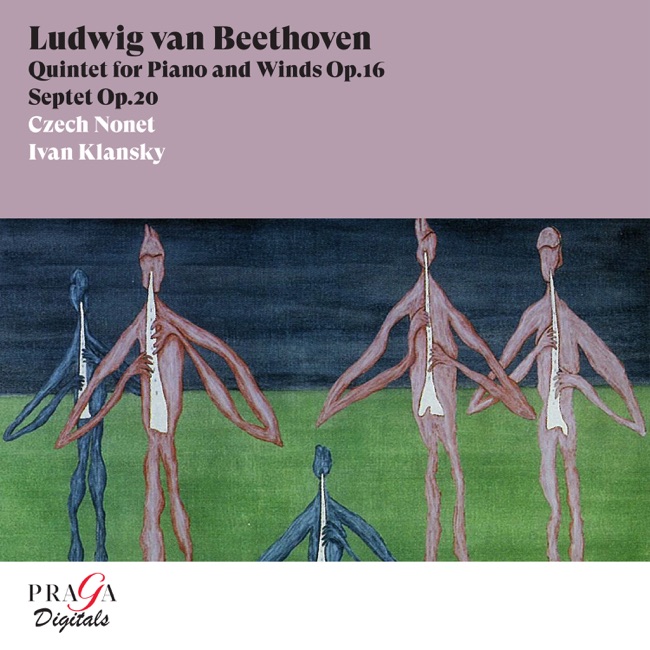
Quintet for piano, oboe, clarinet, horn & bassoon in E flat major, Op. 16
I. Grave - Allegro ma non troppo
12:45
12
4:8
14
3:11

Copyright Ⓒ 2013 Davinci Finger. All rights reseved
Service Terms & Policy