


Daniel Asia
Released Album
Chamber
-
 October 12, 2023
 -
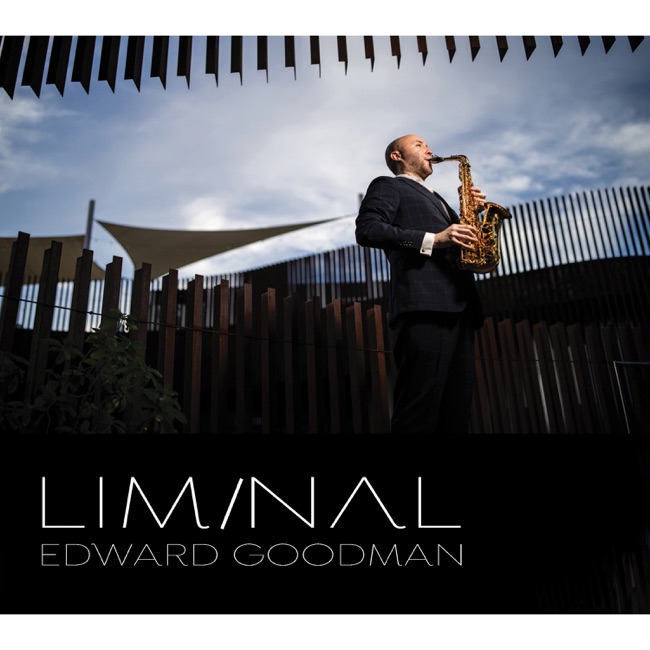 October 9, 2020
 -
 May 10, 2019
 -
 June 29, 2010
 -
 October 14, 2008
 -
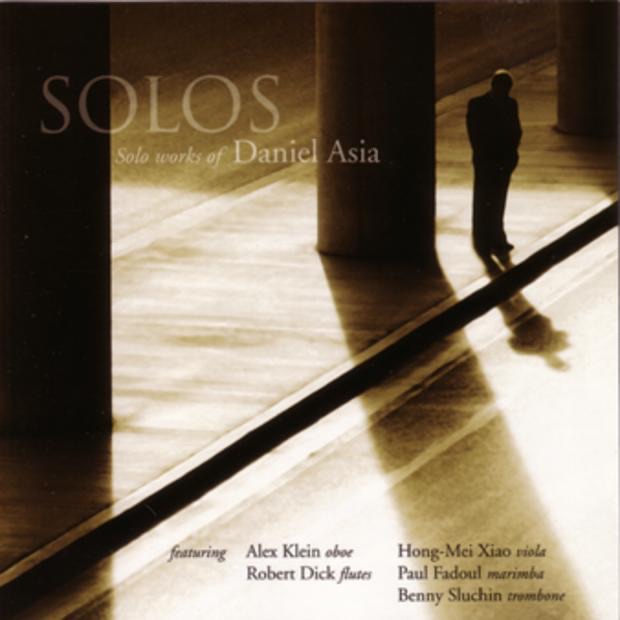 May 24, 2005
Symphony
-
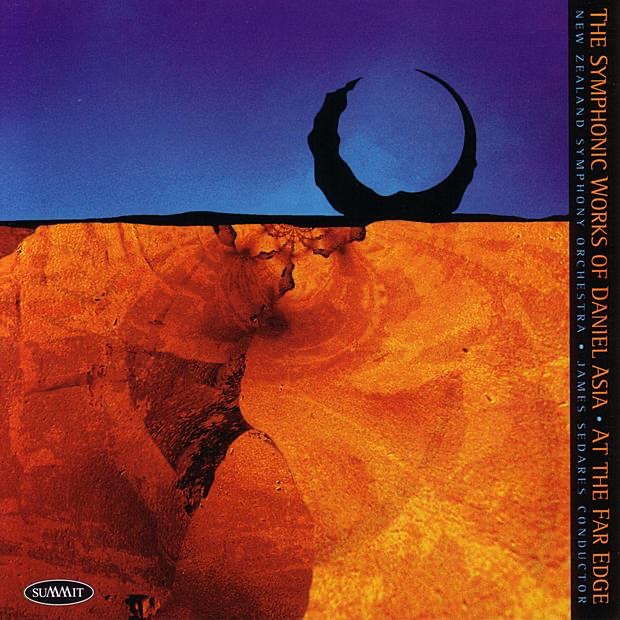 February 15, 2000
 -
 April 16, 1995
Vocal
-
 July 7, 2017
 -
 May 9, 2000
Artist Info
Role:Composer ConductorBirth:1953 in Seattle, WAPeriod:ContemporaryGenre:ChamberOrchestralSymphonyVocalDaniel Asia is an American composer of classical music who was born on August 28, 1953, in Seattle, Washington. He grew up in a family of musicians, with his father being a jazz pianist and his mother a classical pianist. Asia began playing the piano at a young age and later learned to play the guitar and bass. He attended the University of Washington, where he studied composition with William Bergsma and earned his Bachelor of Music degree in 1975. After completing his undergraduate studies, Asia moved to New York City to pursue a career in music. He studied composition with George Rochberg at the University of Pennsylvania and earned his Master of Music degree in 1977. During this time, Asia also studied with composers such as Milton Babbitt, George Crumb, and Richard Wernick. Asia's early works were influenced by the avant-garde music of the 1960s and 1970s, particularly the music of Rochberg and Babbitt. His compositions from this period often featured complex rhythms, dissonant harmonies, and unconventional forms. One of his early works, the String Quartet No. 1 (1976), was premiered by the Arditti Quartet and received critical acclaim. In the 1980s, Asia's music began to evolve in a more tonal direction. He began incorporating elements of jazz and rock music into his compositions, as well as drawing inspiration from the music of composers such as Gustav Mahler and Dmitri Shostakovich. His works from this period often featured lush harmonies, expressive melodies, and a sense of emotional depth. One of Asia's most well-known works from this period is the Symphony No. 1 (1988), which was commissioned by the Seattle Symphony Orchestra. The symphony is a large-scale work that features a wide range of musical styles and influences, including jazz, rock, and classical music. It has been performed by orchestras around the world and is considered one of Asia's most important works. In the 1990s, Asia's music continued to evolve, with a focus on exploring the spiritual and mystical aspects of music. He began incorporating elements of Eastern music and philosophy into his compositions, as well as drawing inspiration from the writings of mystics such as Rumi and Kabir. His works from this period often featured meditative and introspective qualities, as well as a sense of transcendence. One of Asia's most notable works from this period is the Piano Concerto No. 1 (1994), which was commissioned by the Seattle Symphony Orchestra. The concerto is a deeply spiritual work that features a solo piano part that is both virtuosic and introspective. It has been performed by pianists around the world and is considered one of Asia's most important works. In the 2000s, Asia's music continued to evolve, with a focus on exploring the relationship between music and spirituality. He began incorporating elements of world music into his compositions, as well as drawing inspiration from the writings of philosophers such as Friedrich Nietzsche and Martin Heidegger. His works from this period often featured a sense of existentialism and a search for meaning in the modern world. One of Asia's most notable works from this period is the Symphony No. 5 (2008), which was commissioned by the Phoenix Symphony Orchestra. The symphony is a large-scale work that features a wide range of musical styles and influences, including world music, jazz, and classical music.More....
Recent Artist Music
1

12:39











Copyright Ⓒ 2013 Davinci Finger. All rights reseved
Service Terms & Policy