


Robert Ward
Released Album
Symphony
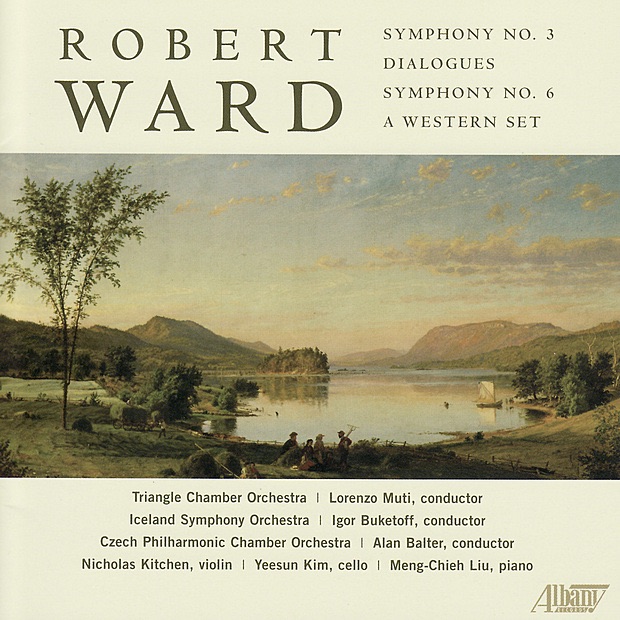

Orchestral
-
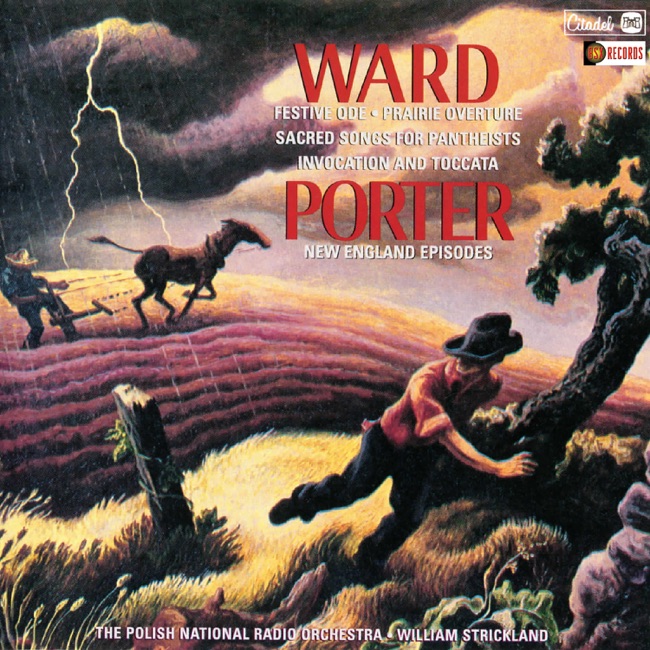 July 22, 2022
 -
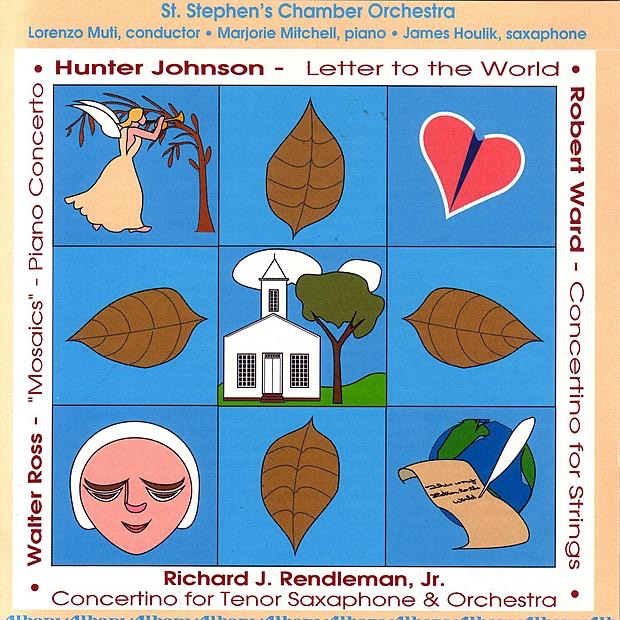 August 10, 1995
 -
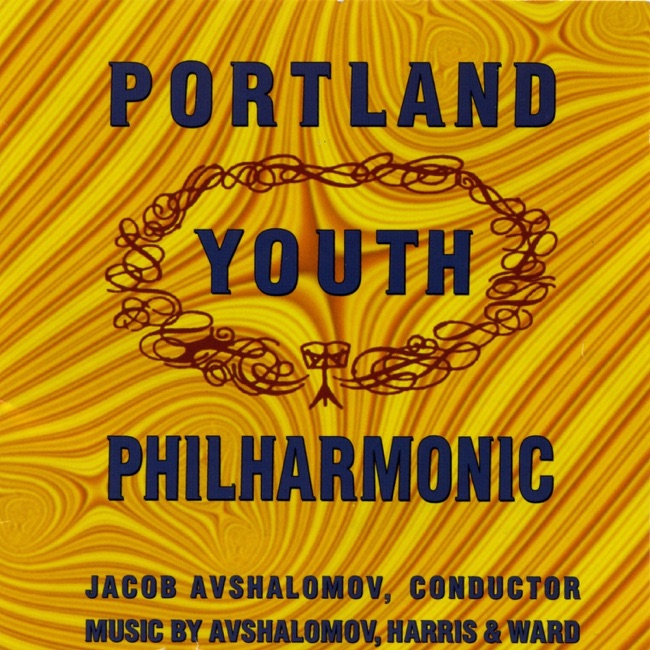
Chamber
-
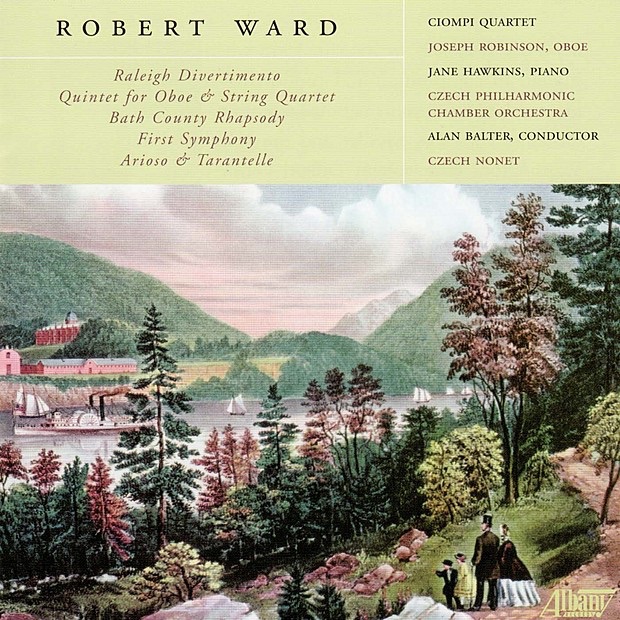
-
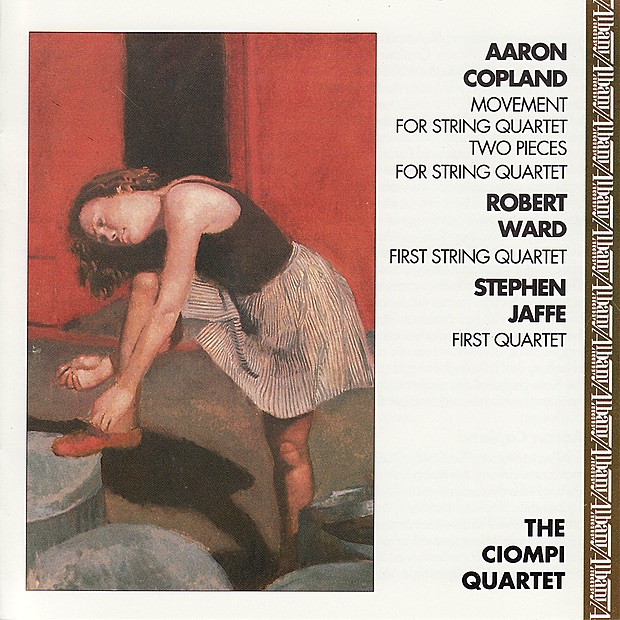
-
 October 24, 2000
 -
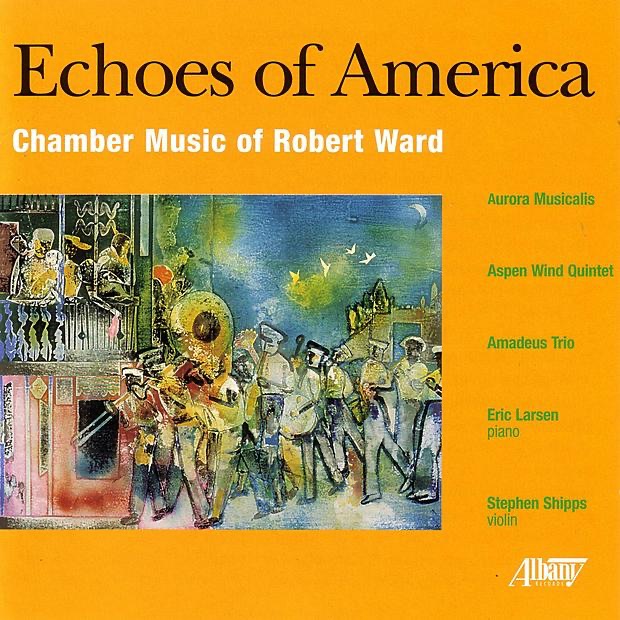 June 29, 1999
 -
 March 23, 1999
 -
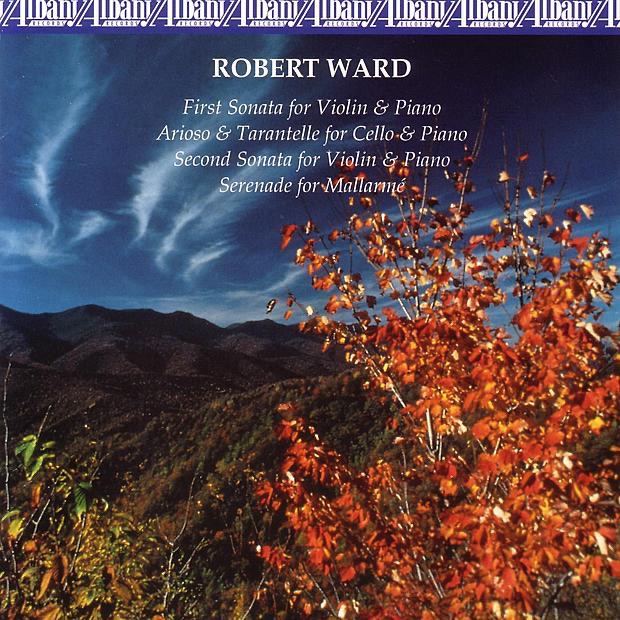
Artist Info
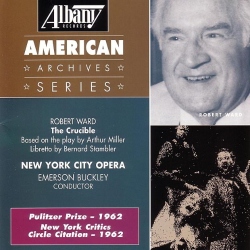
Role:ComposerBirth:September 13, 1917 in Cleveland, OHDeath:April 3, 2013 in Durham, NCPeriod:ModernGenre:ChamberOperaOrchestralRobert Eugene Ward was an American composer of classical music, born on September 13, 1917, in Cleveland, Ohio. He was the youngest of three children born to a family of modest means. His father was a machinist, and his mother was a homemaker. Ward's interest in music began at an early age, and he started playing the piano when he was just five years old. Ward's family moved to New York City when he was nine years old, and he continued his musical education there. He studied piano with Isabelle Vengerova and composition with Bernard Wagenaar at the Juilliard School. He also studied with Aaron Copland at Tanglewood, where he was a fellow in 1940 and 1941. Ward's early compositions were influenced by Copland and other American composers of the time, such as Roy Harris and William Schuman. His first major work, the Symphony No. 1, was premiered by the Boston Symphony Orchestra in 1942, when Ward was just 25 years old. The symphony was well-received and established Ward as a promising young composer. During World War II, Ward served in the U.S. Army, where he was a member of the 7th Army Symphony Orchestra. After the war, he returned to the United States and continued to compose. In 1951, he won the Pulitzer Prize for Music for his opera, "The Crucible," based on the play by Arthur Miller. The opera premiered at the New York City Opera in 1961 and has since become one of Ward's most famous works. Ward's music is characterized by its lyricism, tonality, and accessibility. He was a proponent of what he called "the new romanticism," a movement in American music that sought to combine the emotional expressiveness of Romanticism with the clarity and simplicity of modernism. His music is often described as "American," with its use of folk melodies and rhythms. In addition to "The Crucible," Ward composed several other operas, including "The Lady from Colorado," "He Who Gets Slapped," and "Roman Fever." He also wrote orchestral works, chamber music, and choral music. Some of his most famous works include the Symphony No. 2, the Piano Concerto, and the ballet "The River." Ward was also a respected educator and administrator. He taught at Columbia University, the Juilliard School, and the University of Hartford. He was the director of the School of Music at the University of Illinois from 1955 to 1964 and the president of the Juilliard School from 1971 to 1984. Throughout his career, Ward received numerous awards and honors, including the National Medal of Arts in 1992. He was also a member of the American Academy of Arts and Letters and the American Academy of Arts and Sciences. Robert Ward died on April 3, 2013, at the age of 95. He left behind a legacy of music that continues to be performed and admired by musicians and audiences around the world. His contributions to American music are significant, and his influence can be heard in the works of many composers who followed in his footsteps.More....
Recent Artist Music
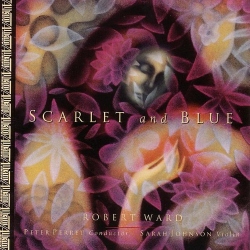
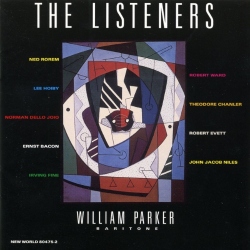
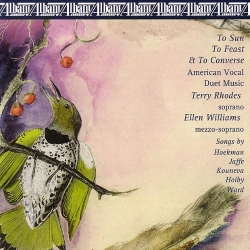
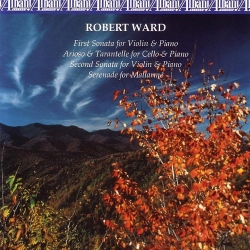
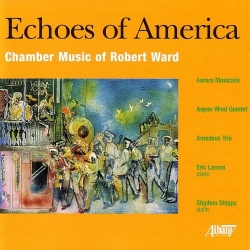
12
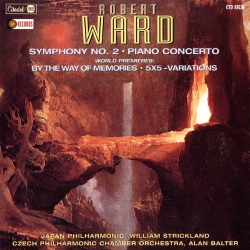
11:10
Copyright Ⓒ 2013 Davinci Finger. All rights reseved
Service Terms & Policy